The Hidden Engineering of a Household Staple
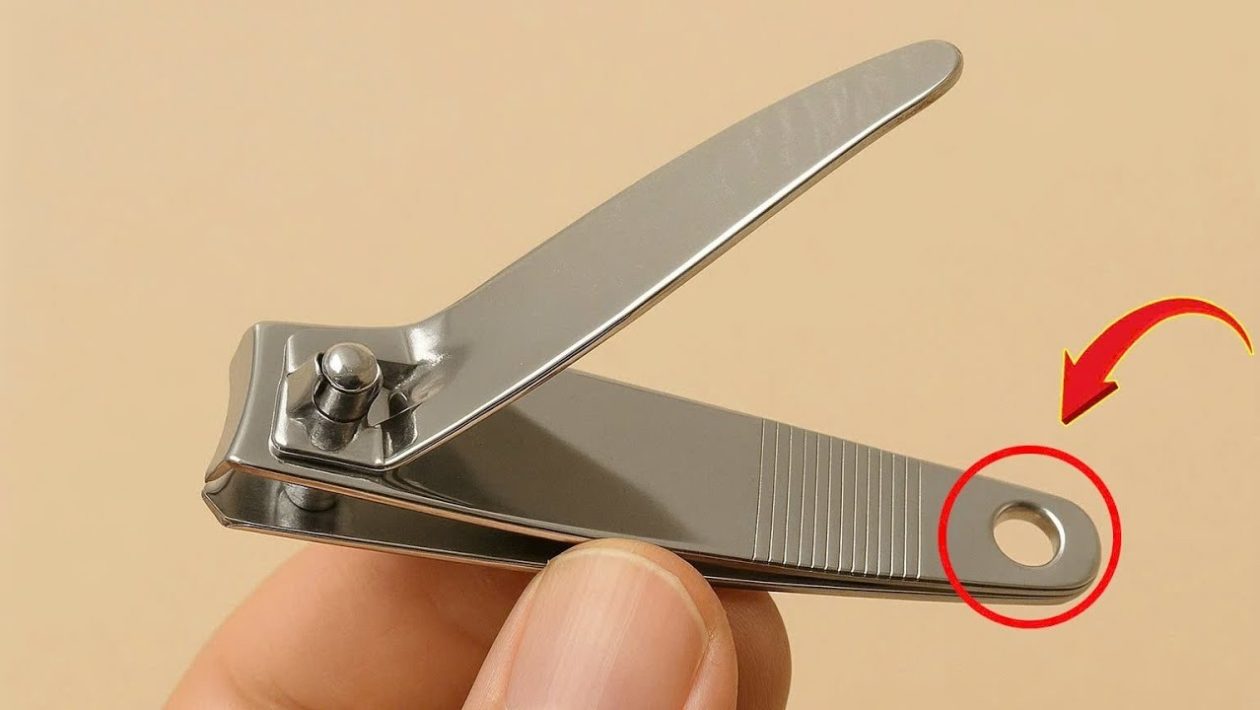
Nail clippers are precision-engineered instruments hiding in plain sight. Manufactured from hardened stainless or high-carbon steel, they feature perfectly ground cutting edges and a built-in lever system that maximizes torque.
While their primary design is for personal grooming, their mechanical properties make them incredibly effective for detailed DIY work. Seasoned mechanics, electricians, and crafters often keep a spare pair of heavy-duty clippers right inside their toolboxes.
Because they are compact and offer flush-cutting capabilities, they can solve several common workshop frustrations when traditional hand tools fail or are too bulky to fit into a tight space.
The Ultimate Improvised Wire Stripper
Stripping the plastic insulation off thin electrical wires can be a frustrating task. Standard wire strippers often chew through delicate copper strands on smaller gauges, like 22 or 24 AWG.
Nail clippers offer an elegant solution for small electrical repairs. The curved blades perfectly cradle thin round wires, allowing you to apply precisely enough pressure to score the plastic jacket without biting into the conductive core.
To use this method, place the wire between the jaws, press the lever down gently just until you feel the resistance of the metal wire, and give the clipper a full twist. Simply pull the clippers toward the end of the wire, and the insulation will slide right off.
A “Third Hand” for Soldering Work
Joining two pieces of thin wire with a soldering iron requires a steady hand. Usually, this means wrestling with bulky helping-hand tools or alligator clips that take up too much space on your workbench.
A standard pair of nail clippers can act as a miniature, self-supporting clamp. Because the jaws naturally sit flush and tightly together, you can wedge two overlapping wires directly into the mouth of the clippers.
The weight and flat bottom of the clippers will hold the wires steady on your work surface. This leaves both of your hands completely free to manipulate the soldering iron and feed the rosin-core solder exactly where it needs to go.
Flush-Cutting Zip Ties for Safety
Zip ties are ubiquitous in cable management, automotive repair, and general home maintenance. However, snipping the excess tail off a zip tie with standard scissors or dull side-cutters creates a dangerous hazard.
Traditional cutting tools leave a jagged, razor-sharp nub of plastic sticking out from the zip tie head. This sharp edge can easily slice open your skin if you brush your hand against it while working in a tight engine bay or behind a computer desk.
Nail clippers excel at flush cuts. By pressing the flat face of the clipper jaws firmly against the head of the zip tie and snapping down the lever, you sever the plastic tail cleanly and perfectly flush. No sharp edges are left behind.
Extracting Flush Staples Without Damage
Removing stubborn, flush-driven staples from wood can easily damage the surrounding surface. Standard screwdrivers are too thick to slip beneath the metal, and traditional pliers can’t get a grip until the staple is already partially lifted.
The thin, wedge-shaped cutting edge of a nail clipper is ideal for this task. The curved jaws act as miniature pry bars that can slide directly underneath a tight staple.
Once the bottom blade is wedged under the metal, you can gently squeeze the lever to grip the staple securely. Rocking the clipper backward uses the tool’s natural curve to lever the staple out of the wood cleanly, leaving the surrounding material intact.
Conquering Blister Packaging
Hard plastic blister packaging is notoriously difficult to open. Attempting to rip it apart with your bare hands is nearly impossible, and using a standard utility knife often risks damaging the product inside.
Nail clippers can puncture and shear through thick plastic packaging safely. You simply bite the jaws onto the welded plastic seam of the package and use the tool like miniature tin snips to cut a starting notch.
Once the initial tough perimeter seal is breached, the rest of the plastic can usually be pulled apart by hand. This completely eliminates the need to aggressively hack at the packaging with an oversized blade.