Many gardeners struggle with healthy-looking plants that simply refuse to flower. You water them, ensure they get adequate light, and yet the foliage remains stubbornly green.
The missing element is often a specific nutritional trigger. A simple, homemade organic solution—dosed at just one cup per plant—can force almost any reluctant plant to push out massive blooms.
The Science of Flowering
Plants rely on three primary macronutrients: nitrogen, phosphorus, and potassium (N-P-K). Nitrogen fuels leafy, green growth. If you feed a plant too much nitrogen, it will prioritize leaves over flowers.
To trigger an explosion of blooms, a plant needs a sharp increase in phosphorus and potassium. Phosphorus stimulates bud development and root strength, while potassium regulates water movement and improves the overall quality of the flowers.
Instead of relying on harsh synthetic chemicals, you can create a highly concentrated, nutrient-dense tea using everyday kitchen scraps.
The Homemade Bloom Booster Recipe
This simple fertilizer requires three basic ingredients: banana peels, eggshells, and water. Banana peels are packed with potassium, while crushed eggshells provide calcium and trace amounts of phosphorus to prevent blossom end rot and strengthen stems.
- Step 1: Save the peels of three ripe bananas and the shells of three to four eggs. Rinse the eggshells to remove any organic residue.
- Step 2: Chop the banana peels into small pieces and crush the eggshells into a fine powder.
- Step 3: Place the ingredients into a large mason jar or pitcher and cover them with one quart (about four cups) of room-temperature water.
- Step 4: Let the mixture steep for 48 hours. Stir it once a day to aerate the water.
After two days, strain the liquid into a separate container. The resulting golden-brown tea is a potent, fast-acting liquid fertilizer.
How and When to Apply It
The golden rule for this natural fertilizer is strict portion control. Apply exactly one cup of the strained liquid directly to the soil at the base of the plant.
Never pour the fertilizer over the leaves, as the sugars from the banana peels can attract pests or fungal issues. Apply this one-cup treatment once every two to three weeks during the active growing season.
For smaller houseplants, reduce the dosage to half a cup. The nutrients are delivered in liquid form, meaning the plant’s root system absorbs them almost immediately.
Plants That Respond Best
This potassium-rich mixture works wonders on heavy feeders. Garden staples like roses, tomatoes, peppers, and geraniums will typically show increased bud production within a week of application.
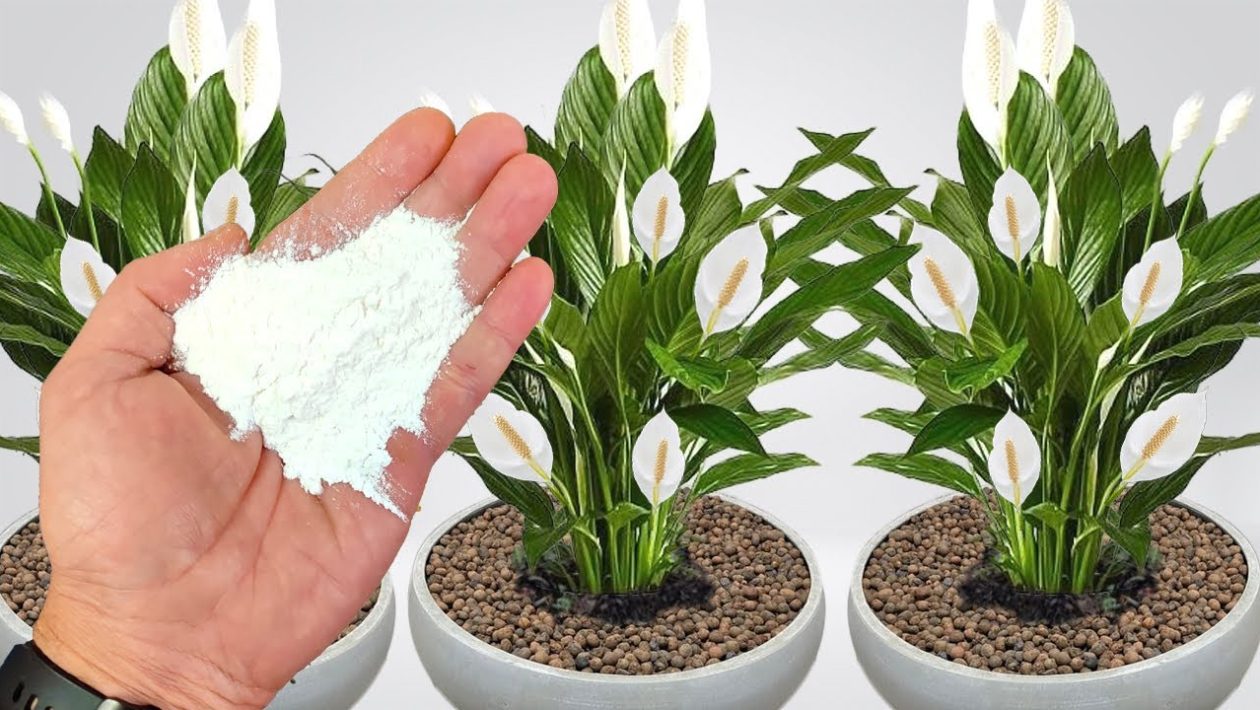
It is equally effective for indoor houseplants. Orchids, peace lilies, hibiscus, and African violets thrive on this exact nutrient profile. Because the fertilizer is organic and relatively mild compared to commercial synthetic powders, it will not burn delicate indoor root systems.
Troubleshooting Stubborn Plants
If you have applied the one-cup fertilizer and still see no blooms after a month, check the plant’s root system. Root-bound plants often refuse to flower regardless of the nutrients provided.
Carefully slide the plant out of its pot. If the roots are tightly coiled in a thick mat, repot the plant into a container one inch larger in diameter with fresh potting soil.
Additionally, monitor the ambient temperature. Many plants require a slight drop in nighttime temperatures to trigger their flowering cycle. Moving an indoor plant slightly closer to a cool window can provide the necessary environmental cue.
Crucial Factors for Success
Fertilizer alone cannot replace basic horticultural needs. A plant cannot metabolize the phosphorus and potassium if it is sitting in the dark.
Ensure your plant is receiving the correct amount of sunlight for its species. Move sun-loving blooming plants to a south-facing window or a brighter spot in the garden before applying the nutrient tea.
Finally, always water your plant lightly with plain water before applying the fertilizer cup. Adding liquid nutrients to bone-dry soil can shock the roots. A pre-moistened root ball ensures the bloom-boosting nutrients are distributed evenly.