
Getting the most out of your air conditioner goes beyond just finding the perfect temperature. Most units hide a function that easily goes unnoticed, yet it can often be far more efficient than the classic cooling mode.
This feature is known as “dry” mode. You can usually spot it on your remote control by looking for a small water drop icon.
While it isn’t designed to blast freezing air into your living room, it significantly improves indoor comfort when high humidity is the real problem. Industry experts agree that using this setting comes with a major financial perk: it consumes noticeably less electricity.
What AC Dry Mode Actually Does
Unlike the standard “cool” mode, which focuses entirely on dropping the room’s temperature, dry mode is built to extract excess moisture from the air. This lowers the perceived temperature in the room.
The result is a much more comfortable environment, especially on muggy, sticky days when the air feels heavy.
HVAC technician José Beltrán notes a distinct operational difference. Cool mode lets you manually dictate the exact temperature and fan speed. Dry mode, however, moves less air specifically to prioritize moisture removal.
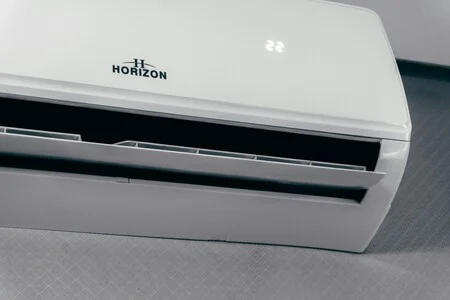
A modern air conditioning unit.
In fact, many units will not even allow you to adjust the temperature manually while dry mode is active. However, this varies by manufacturer. Some brands let you tweak certain parameters, while others lock the system into an automated moisture-control cycle.
Why It Slashes Your Electric Bill
Air conditioners are notorious for driving up utility bills during the summer. Any feature that trims those costs is a massive advantage for homeowners.
According to Beltrán, the reason dry mode saves money is simple: the compressor operates at lower revolutions. The HVAC system simply does not have to work as hard as it does when forcing a room’s temperature down by several degrees.
Major appliance manufacturers back up this technical assessment. Mitsubishi Electric confirms that dry mode requires less operational intensity than cool mode.
Midea also points out that both the compressor and the fan operate at a reduced capacity in dry mode. This lighter workload directly translates to lower electrical consumption, though exact savings vary based on the AC model, runtime, and local weather.
When to Use Dry Mode vs. Cool Mode
Dry mode is not a total replacement for standard air conditioning. It is highly situational.
It works best in coastal regions or areas prone to severe humidity. In these climates, much of the discomfort comes from water vapor trapping heat against your skin. Lowering the humidity makes the room feel cooler without requiring intense chilling.
Running dry mode also protects your home. Keeping humidity in check prevents mold growth, stops dust mites from multiplying, and protects your furniture and walls.
However, cool mode remains the superior choice for fast relief. If you need to rapidly cool a hot room that has been closed all day, or if you are enduring a severe heatwave, stick to the cool setting.
Cool mode is also the only logical choice in dry climates. Running dry mode in an already arid environment strips too much moisture from the air, which can cause dry skin, throat irritation, and general discomfort.