Research Points to Disappointing Returns
In the first quarter of this year alone, over 20,000 home batteries were sold in the Netherlands as energy storage becomes mainstream. But the debate over when that hardware actually pays for itself is intensifying.
Independent research organizations, including CE Delft and Vereniging Eigen Huis, have reviewed the actual performance data. They conclude that the real-world payback period stretches anywhere from 10 to 22 years.
Flawed Calculations and Wasted Capacity
The massive discrepancy in payback estimates stems from how energy storage savings are calculated. Optimistic sales models rely on ideal usage scenarios, assuming a battery is constantly fully charged and heavily utilized during peak dynamic pricing spikes.
A recent, more grounded analysis by jeroen.nl looked at 1,300 households equipped with both solar panels and a home battery.
The researchers compared actual generation and consumption data against historical dynamic energy prices from 2025. Factoring in a standard 25 percent energy loss during the charging and discharging process, the results were clear: large batteries are rarely profitable.
Why Bigger Isn’t Better
The jeroen.nl analysis demonstrates that the excess capacity of large home batteries largely goes unused. Many oversized units fully charge during the day but fail to completely discharge overnight.
If a household only consumes 3 kWh during the evening and night, a massive battery provides zero additional financial benefit. Savings are strictly limited to the energy actually consumed, meaning nighttime usage dictates value far more than total system capacity.
For the average household, the financial savings simply do not scale with the size of the battery.
The Plug-and-Play Alternative
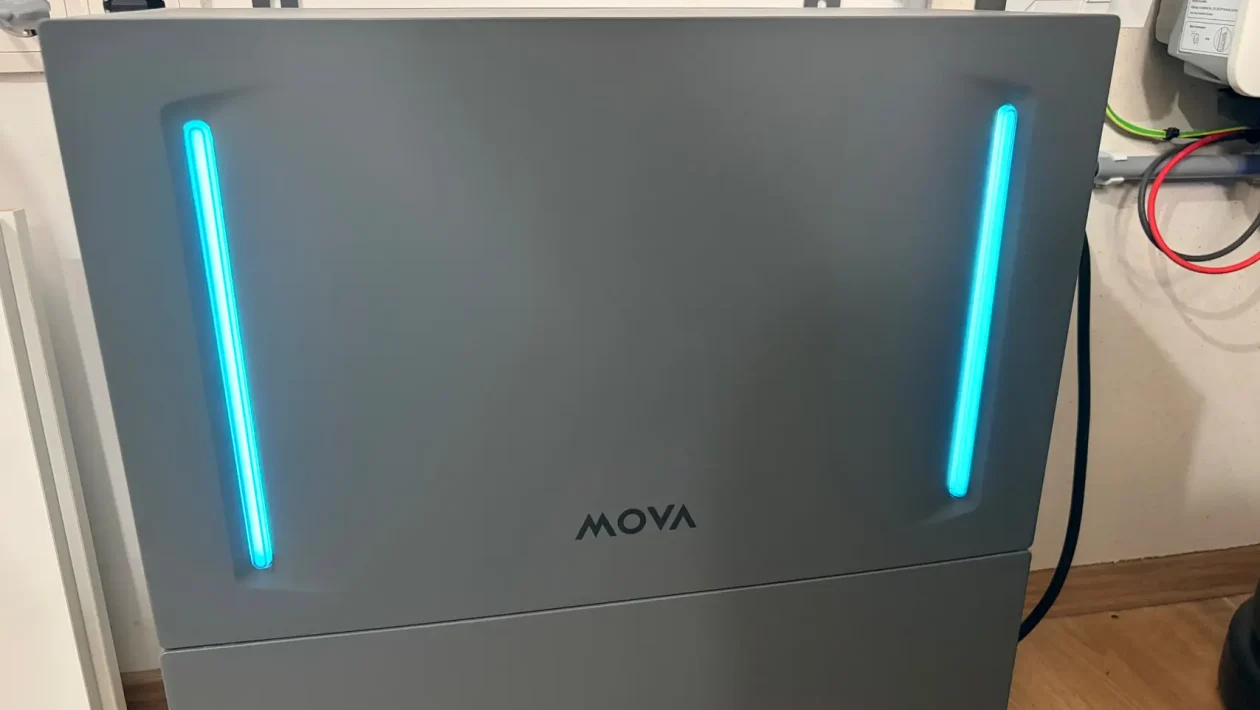
The sweet spot for most homes sits between five and seven kWh. Because of this, smaller plug-in battery systems are emerging as the most sensible financial option.
These compact units cost significantly less than fully integrated systems. Because they can often be self-installed, buyers avoid hefty professional installation fees, sharply reducing the overall payback period.
Energy Consumption Facts
- Average Usage: The average household in the study consumes roughly 2,430 kWh of electricity per year.
- Driving Factors: Power consumption hinges heavily on family size, square footage, home appliances, and the presence of electric vehicles or electric heating.
- Lowering the Bill: Households can actively lower usage by upgrading to energy-efficient appliances, switching to LED lighting, fully powering down electronics, and running washing machines only with full loads.