Pantry pests like ants and weevils can quickly ruin bulk bags of rice. Instead of spending money on expensive modern storage containers, a simple DIY solution can keep your dry goods safe, dry, and perfectly organized.
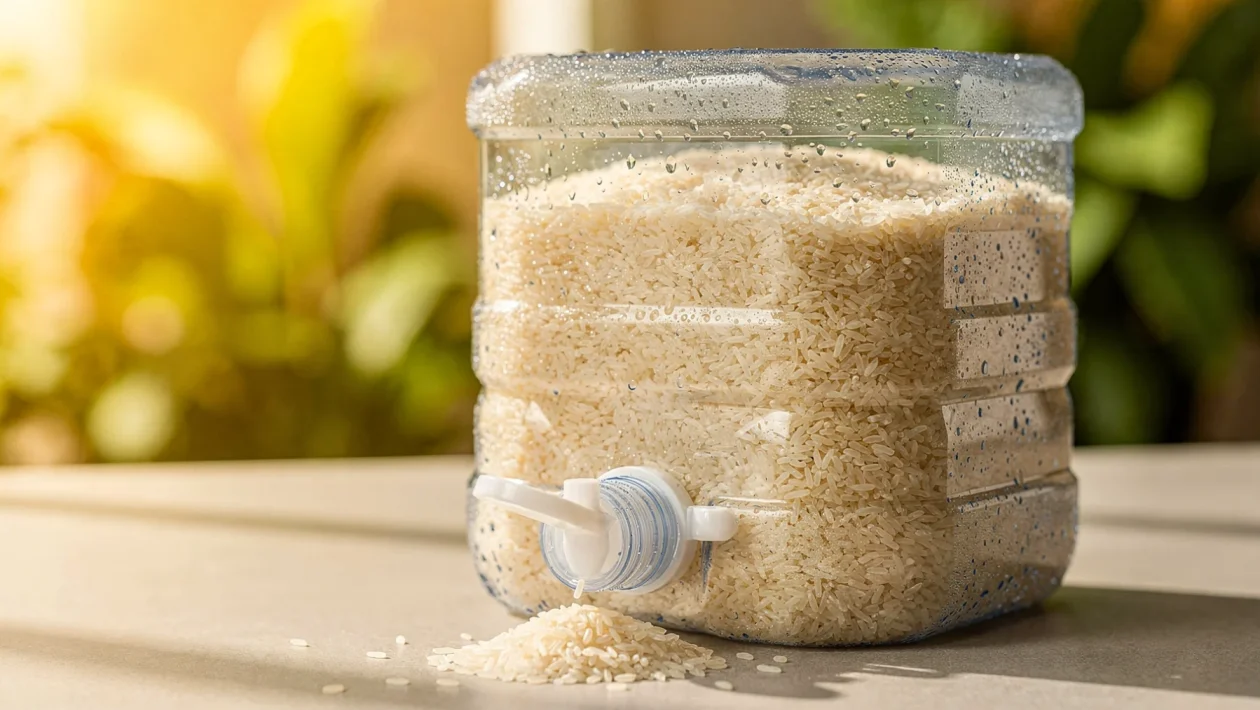
A repurposed 5-gallon water jug provides an airtight, high-capacity storage system. This method ensures your bulk staples remain neatly stacked, easily accessible, and fully protected from household insects.
Why Choose a Water Jug for Rice Storage?
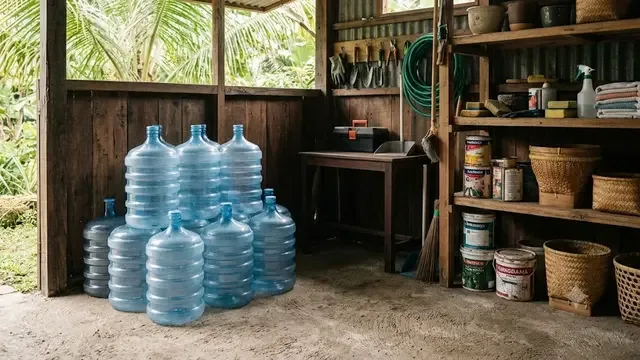
Repurposing an empty water jug for versatile pantry storage.
A standard heavy-duty water jug is the perfect foundation for a custom rice dispenser.
- Ideal Capacity: A typical jug holds 22 to 33 pounds of rice, making it perfect for monthly household consumption.
- Clear Material: The transparent plastic allows you to monitor your supply without removing the lid.
- Eco-Friendly: Upcycling single-use or spare plastics keeps heavy waste out of local landfills.
- Cost-Effective: The project costs virtually nothing, utilizing tools and items you likely already have at home.
Tools and Materials You Will Need
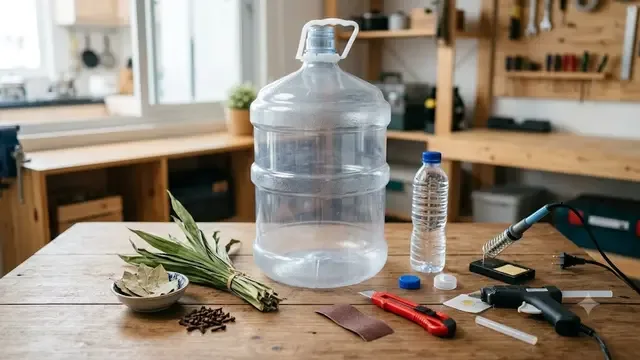
An empty water jug transformed into a rice dispenser.
Gather these basic household items before starting your build:
- One empty water jug (ensure there are no cracks or leaks).
- One medium-sized plastic bottle with a twist-off cap (this will serve as the dispensing spout).
- A sharp utility knife or box cutter.
- A soldering iron (or a heavy nail heated over a stove).
- Hot glue or waterproof silicone sealant.
- Fine-grit sandpaper.
- Natural pest repellents: Dried bay leaves, cloves, or dried pandan leaves.
Step-by-Step Guide to Building the Dispenser
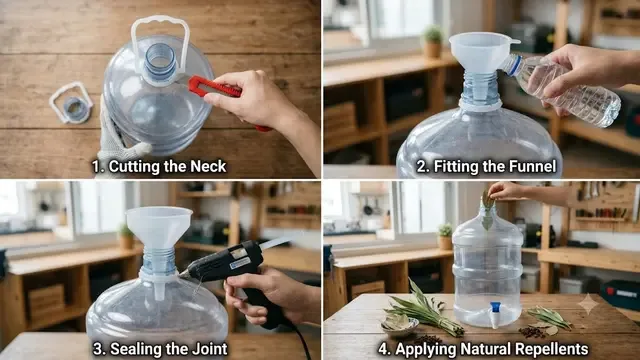
Building a custom rice dispenser to block out ants and weevils.
1. Clean and Sterilize the Jug
Thoroughly wash the inside and outside of the jug using dish soap and warm water. Rinse until no soap residue remains.
The most critical step is ensuring the jug is 100% dry. Air-dry it upside down in direct sunlight until every drop of condensation evaporates. Even the slightest lingering moisture will cause mold and ruin your rice.
2. Create the Top Loading Port
Use your utility knife to cleanly cut the top curve of the jug, about two to three inches down from the neck. Do not discard this cut piece; it will become your main lid.
Sand down the rough plastic edges with fine-grit sandpaper so they will not scratch your hands during refills.
3. Install the Dispensing Spout
A bottom dispenser allows you to access rice without opening the main lid, severely minimizing the risk of ants getting inside.
Cut the top two inches off your smaller plastic bottle, keeping the threaded neck and cap intact. Use your heated soldering iron to melt a circular hole near the bottom edge of the large jug.
Push the threaded bottle neck through this hole from the inside out. Seal the joint heavily on the outside with hot glue, ensuring there are absolutely no air gaps.
4. Seal the Top Lid
Ants can crawl through microscopic gaps, so the top closure must be completely flush. Take the top piece you cut off earlier and make half-inch vertical slits around its bottom edge.
This allows the piece to compress slightly and slot securely back into the main body like a plug. Wrap a thick rubber band or a repurposed silicone jar seal around the rim for an extra airtight barrier.
Effective Tricks to Keep Ants and Weevils Away
Once your DIY rice dispenser is built, add secondary defenses to guarantee pests stay out.
Use Strong-Scented Spices
Ants and weevils detest the pungent smell of certain natural herbs. Before pouring in your bulk rice, drop five to seven dried bay leaves and a handful of cloves into the jug.
Dried pandan leaves are another excellent option. These natural repellents keep bugs away while imparting a safe, subtle fragrance to the grains.
Create a Physical Barricade
If you plan to store the jug on a pantry floor or low shelf, build a defensive moat. Place the jug on a small plastic tray or wide plate.
Fill the outer rim of the plate with a thin layer of water, or smear the edge with petroleum jelly. Ants cannot cross this liquid or sticky barrier.
Maintenance and Care Tips
Keep your DIY dispenser functioning perfectly for years with basic upkeep.
- Secure the Spout: Always twist the bottom cap on tightly immediately after dispensing your rice.
- Monitor Moisture: When the rice runs out, wipe the interior with a clean, dry cloth to remove lingering starch dust before refilling.
- Avoid Direct Sunlight: Store the dispenser in a cool, dry area of your kitchen. Direct sunlight can heat the plastic, causing condensation that will quickly spoil the rice.
- Customize the Look: To match your kitchen decor, paint the outside of the jug with spray paint or wrap it in contact paper. Leave a thin vertical strip unpainted so you can still see the rice level.
Frequently Asked Questions
Is repurposed jug plastic safe for long-term food storage?
Yes. Most commercial water jugs are made from food-grade plastics like PET or Polycarbonate. As long as the jug is thoroughly washed, sterilized, and completely dry before filling, your rice will remain uncontaminated.
Why must the rice be entirely dry before storage?
Airtight containers trap moisture. Any lingering dampness inside the jug will trigger mold growth, cause the rice to smell musty, and create an ideal breeding ground for weevils.
What should I do if my rice already has weevils?
Clean the rice before storing it. Spread the grains out in direct sunlight for 15 to 30 minutes, or sift them to separate the pests. Once completely clear of weevils, pour the rice into your spice-lined dispenser.
Can I place this dispenser directly on the kitchen floor?
It is not recommended if your floor is prone to dampness. Place a wooden or plastic stand underneath the jug. This prevents moisture from seeping up and provides a stable base for your petroleum jelly ant barrier.