
Seismic map tracking earthquake activity in California
A minor 2.5 magnitude earthquake rattled Mendocino County on Wednesday afternoon.
The U.S. Geological Survey (USGS) recorded the tremor at exactly 5:30 p.m. on July 23. The epicenter was located about seven miles east-southeast of Willits, striking at a shallow depth of four miles.
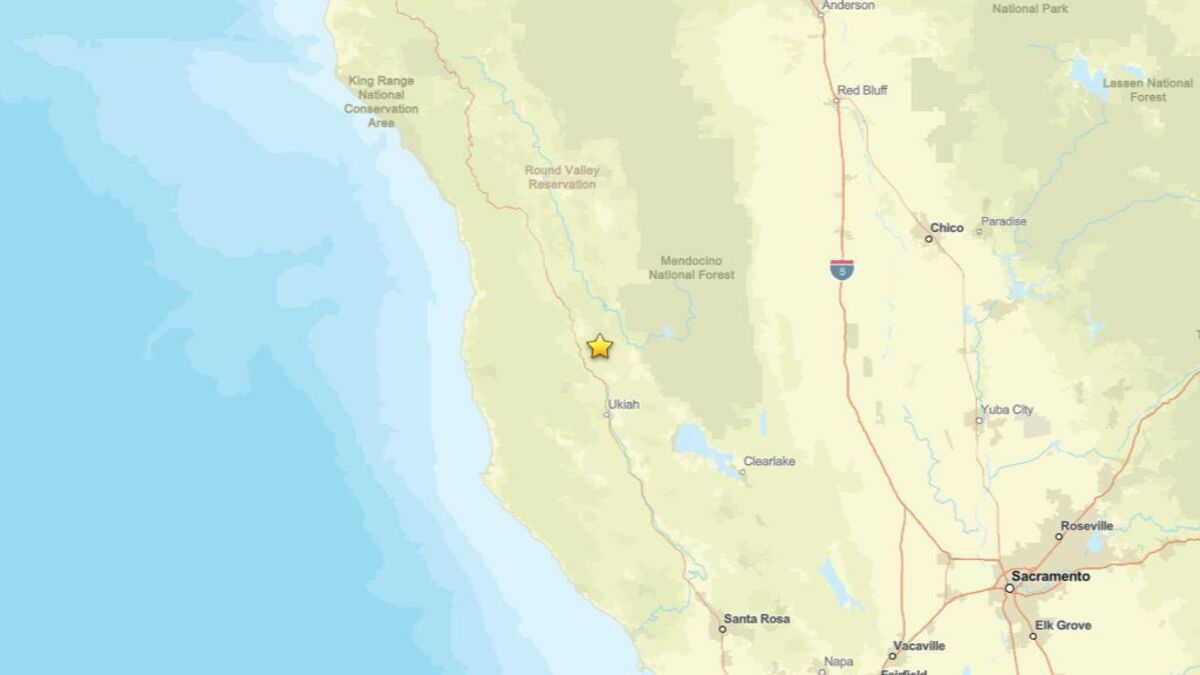
Map displaying the geographical area affected by the recent California tremor.
Recent Fault Line Activity
This incident follows another recent tremor in the region. Just days earlier on July 18, seismologists detected a 3.1 magnitude quake near The Geysers.
Locals who felt the Willits tremor are encouraged to file a report through the USGS Felt Report system to help scientists track the reach of the event.
Putting the Magnitude in Perspective
Magnitude tracks the raw energy released at a quake’s source, a modern metric that replaced the outdated Richter scale.
Earthquakes registering between 2.5 and 5.4 are frequently felt but rarely trigger structural damage. Globally, tracking equipment picks up roughly 500,000 earthquakes every year.
Humans actually feel about 100,000 of those shifts, but only around 100 are severe enough to destroy property.
Survival Guidelines
Rapid ground shaking can instantly trigger landslides, utility fires, and structural collapses. Emergency officials stress the fundamental rule of earthquake survival: drop, cover, and hold on.
Get down on your hands and knees to prevent being knocked over. Shield your head and neck under a sturdy desk or table, holding on with one hand so you can move with the shelter if it shifts.
Experts recommend specific reactions based on your location when the shaking starts:
- Driving: Pull over safely, stop the vehicle, and engage the parking brake.
- In bed: Roll face-down and protect your head with a heavy pillow.
- Outdoors: Move away from structures, trees, and power lines. Never run inside a building.
- Indoors: Stay put. Avoid doorways and crawl to an interior wall if no table is available.
- Using a wheelchair: Lock your wheels immediately and remain seated, protecting your neck and head.
The Aftershock Threat
The danger rarely ends when the initial shaking stops.
Downed power lines, fractured gas mains, and compromised building foundations pose severe post-quake hazards. Residents should remain vigilant for aftershocks and prepare to immediately drop, cover, and hold on again if the ground shifts.