Limescale buildup is a quiet killer of water pressure in millions of homes. Over time, mineral deposits from tap water clog the tiny nozzles of your showerhead.
This restricts the flow and sends water spraying unevenly in random directions. While many people automatically reach for baking soda or white vinegar, a much more efficient alternative is taking over.
Citric acid is quickly becoming the go-to compound for dissolving calcium buildup without requiring heavy scrubbing. Using it not only improves your daily shower experience but also extends the lifespan of your plumbing fixtures.
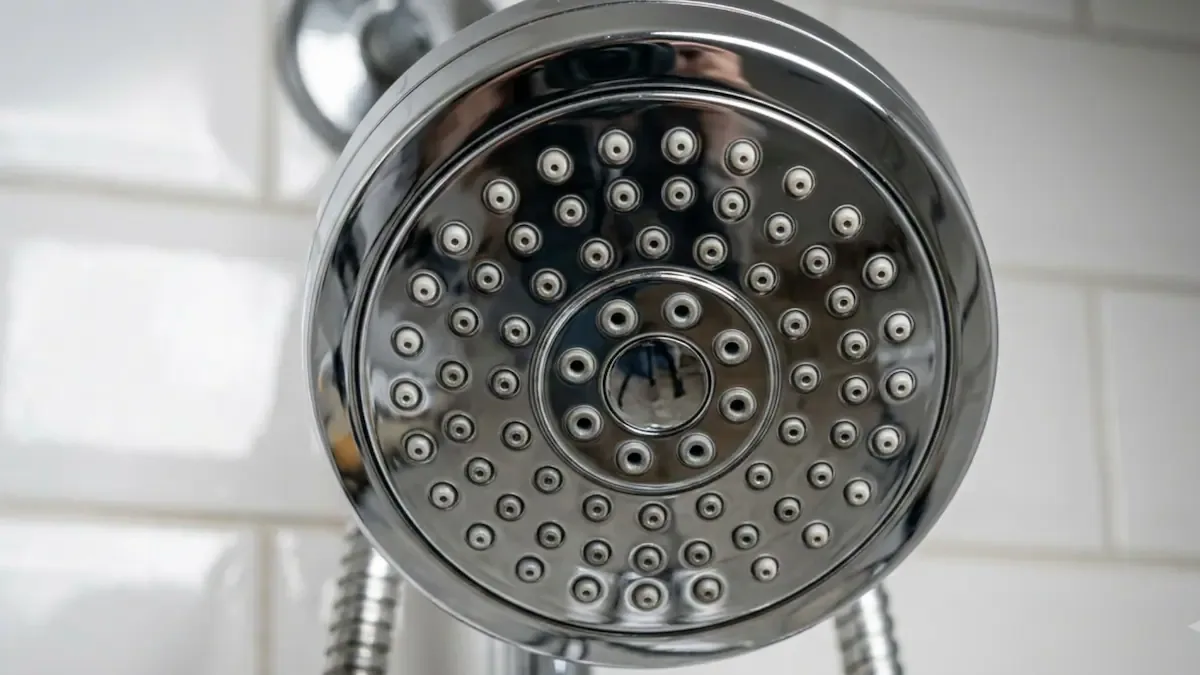
A close-up of a showerhead being treated to remove stubborn limescale buildup and restore water pressure.
How to Unclog Your Showerhead with Citric Acid
Citric acid easily breaks down mineral deposits on contact. You can find it at most local hardware stores, specialty cleaning shops, or online.
To restore your shower’s water pressure, follow this simple process:
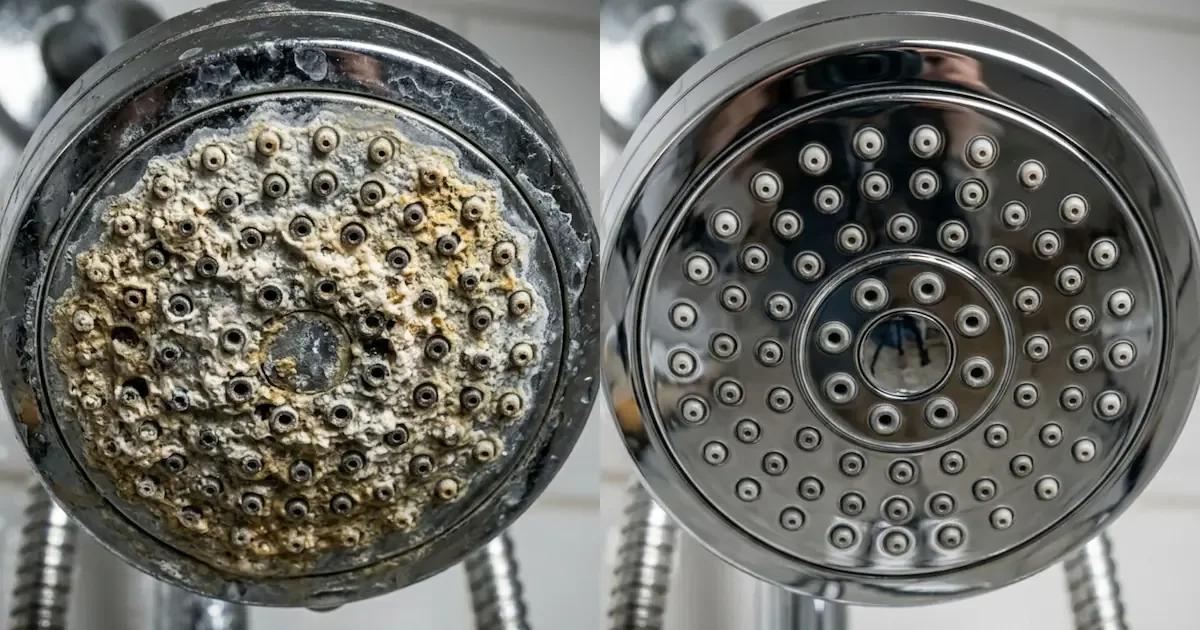
- Mix two to three tablespoons of citric acid into a container filled with warm water.
- Unscrew and remove the showerhead from the wall pipe, if possible.
- Submerge the fixture in the acidic solution and let it soak for 30 to 60 minutes.
- Take an old toothbrush and gently scrub away any remaining stubborn limescale residue.
- Rinse the showerhead thoroughly with clean water before reinstalling it.
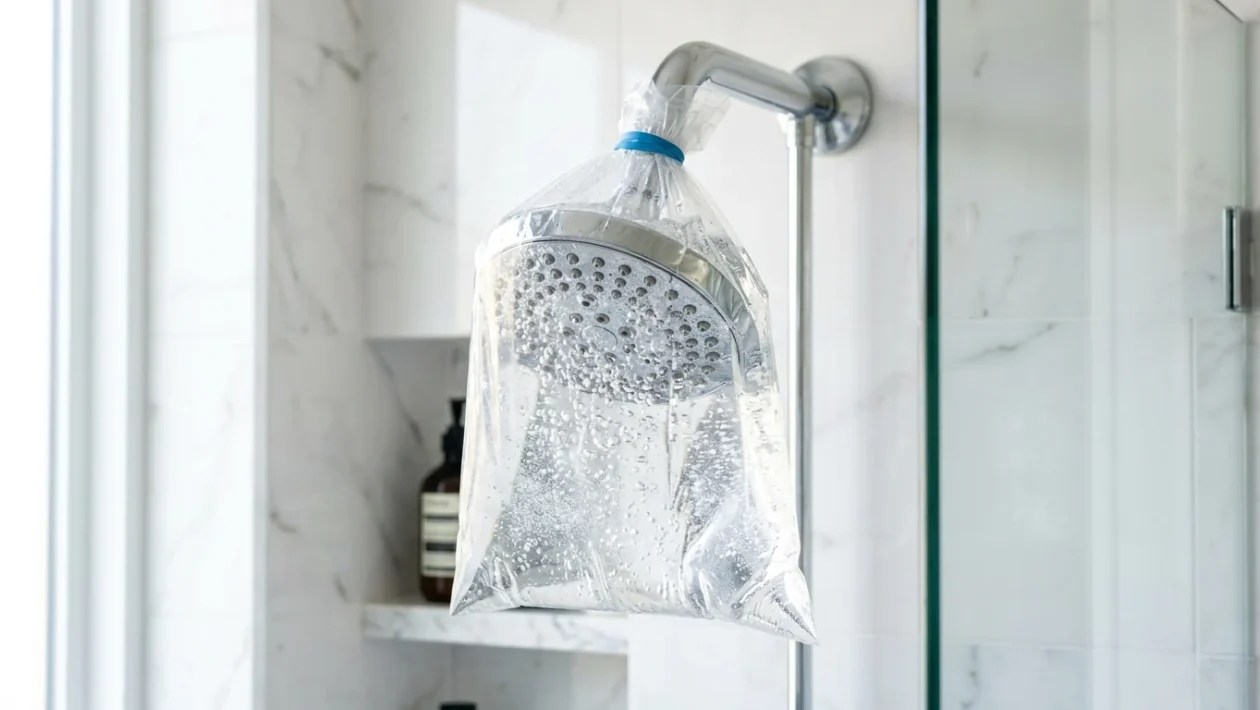
If your showerhead is fixed securely to the wall and cannot be removed, you can use the plastic bag trick. Pour the citric acid mixture into a sturdy plastic bag, wrap it around the showerhead, and secure it with a tight rubber band so the nozzles remain fully submerged.
Stopping Hard Water Buildup Before It Starts
Limescale is the direct result of hard water. The higher the concentration of calcium and magnesium in your local water supply, the faster your fixtures will clog.
To keep the crust away and protect your plumbing, specialists recommend a few basic habits:
- Clean your showerhead with the citric acid method at least once a month.
- Wipe down and dry the shower surfaces immediately after each use.
- Routinely inspect the spray holes for early signs of blockage.
- Install a shower filter or an anti-limescale water softening system if you live in a hard water region.
Staying ahead of the buildup prevents severe clogs down the line. A few minutes of basic monthly maintenance is all it takes to keep your shower running at full pressure.