A completely spotless bathroom sink and toilet free from rust and hard water stains.
The Ultimate AI-Recommended Bathroom Hack
Limescale, rust, and hard water stains inevitably build up on bathroom faucets and toilets over time. Removing this stubborn grime usually involves heavy scrubbing and harsh, expensive chemicals.
However, there is a highly effective and simple trick that requires no toxic products. According to ChatGPT, the ideal cleaning method utilizes a natural, easy-to-find ingredient: citric acid powder.
How to Transform Your Toilet
Citric acid is readily available at health food stores, natural product shops, and online retailers. To clean a stained toilet, follow this simple process:
- Dissolve 2 to 3 tablespoons of citric acid powder in hot water.
- Pour the mixture directly into the toilet bowl.
- Let it sit overnight to break down the hard minerals.
- The next morning, scrub the bowl with a brush and flush.
This natural method is powerful yet safe for most surfaces, including toilets, faucets, tiles, and shower screens. It is entirely eco-friendly, non-corrosive, and leaves no overwhelming chemical odor behind.
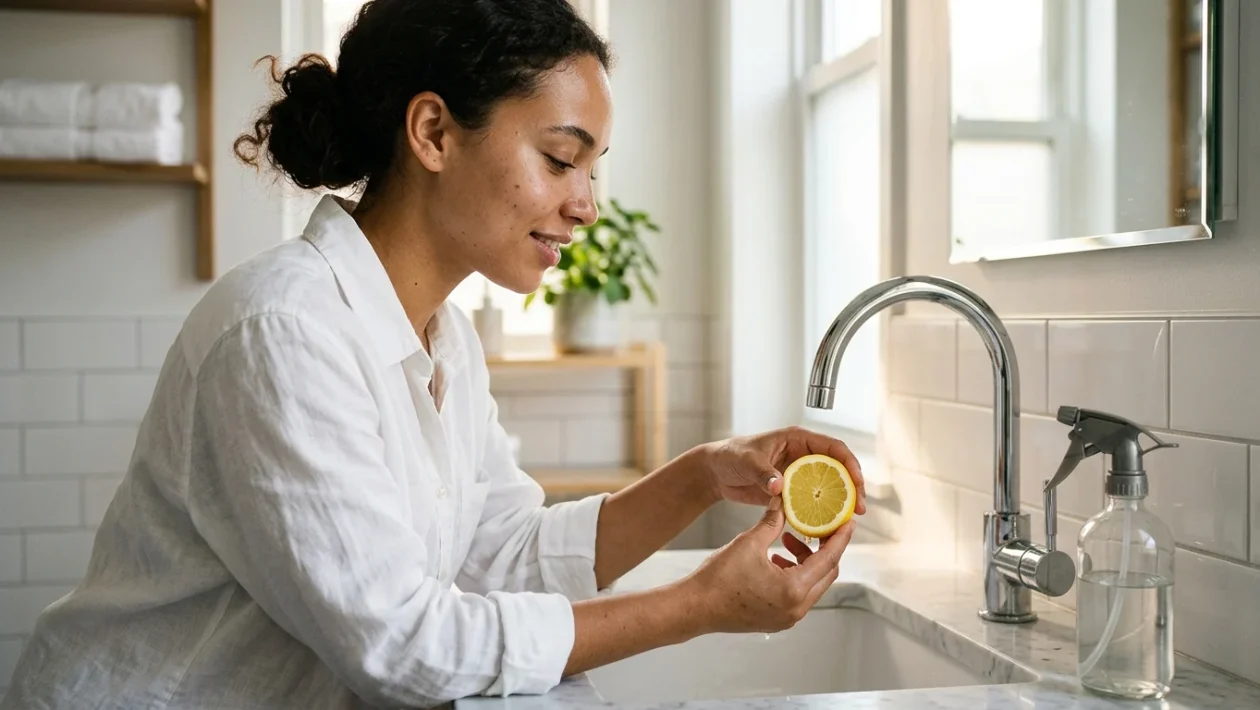
For shower screens and faucets, the AI recommends using fresh lemon. Simply cut a lemon in half, rub it directly onto the limescale, wait 10 to 15 minutes, and rinse it away with hot water.
The Classic White Vinegar Strategy
If you don’t have citric acid on hand, standard white vinegar remains a proven fallback for bringing the shine back to your bathroom fixtures.
Mix equal parts white vinegar and water in a spray bottle. Spray the solution directly onto areas heavy with limescale. The natural acidity of the vinegar breaks down the tartar rapidly.
Let the mixture sit for a few minutes, then scrub the affected zones gently with a brush. Flush or rinse away the residue, repeating the process if any stubborn spots remain.
Alternative Household Cleaning Methods
Several other basic pantry staples can effectively break down bathroom grime without damaging your fixtures.
- Lemon juice and coarse salt: Squeeze two fresh lemons and mix the juice with coarse salt. Pour it into the toilet, wait 10 minutes, scrub the bowl, and flush.
- Hot water and baking soda: Boil water, let it cool slightly, and pour it into the bowl. Add half a cup of baking soda, let it sit for 15 minutes, and scrub the stains away.
- Vinegar and baking soda: Pour one cup of white vinegar into the toilet and wait 10 minutes. Add a generous handful of baking soda and scrub vigorously as the mixture fizzes and lifts the tartar off the porcelain.
How to Prevent Future Limescale Buildup
The best way to deal with limescale is to stop it from forming in the first place. A few simple habits can keep your bathroom perpetually spotless.
- Commit to regular cleaning: Deep clean the toilet at least once a week to prevent hard stains from taking hold.
- Spray vinegar routinely: Keep a bottle of white vinegar handy. A quick spray inside the bowl breaks down daily mineral deposits and disinfects naturally.
- Fix water leaks immediately: A constantly running toilet wastes water and rapidly accelerates the buildup of limescale and mold.
- Brush daily: A quick daily swipe with the toilet brush prevents invisible residues from settling onto the porcelain.
- Avoid harsh abrasives: Industrial-strength chemical cleaners can strip the protective finish off porcelain, effectively causing the toilet to trap dirt much faster in the future.
- Ventilate the space: Keep a window open or use an exhaust fan. Trapped moisture breeds bacteria and unpleasant odors.
- Utilize tank tablets: Drop a cleaning tablet into the water tank periodically to keep the bowl fresh and block hard water buildup with every single flush.