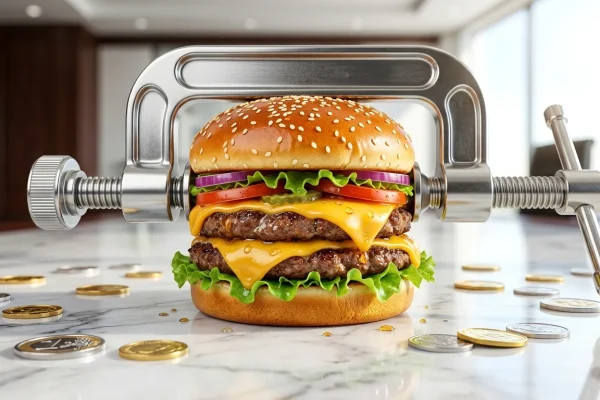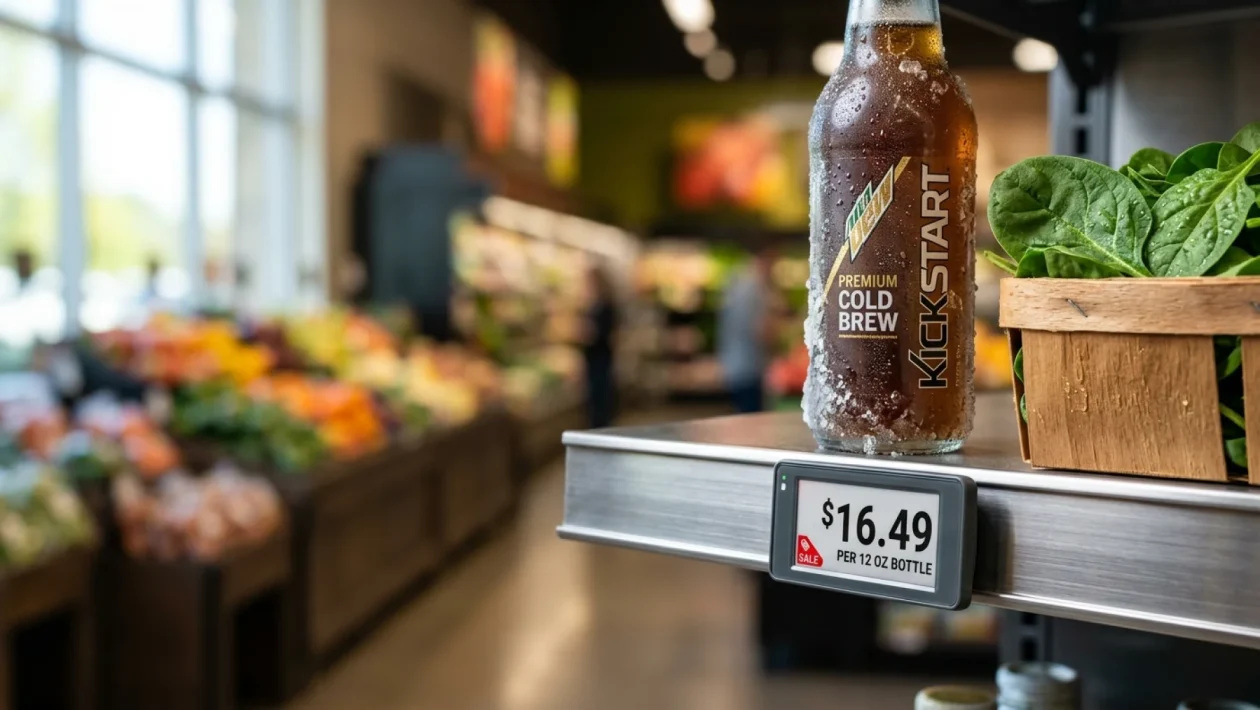
You are getting squeezed at the grocery store checkout, and the technology designed to make shopping “more efficient” is about to make it worse. Imagine reaching for a cold drink on a blistering hot afternoon, only to watch the price on the digital shelf tag magically jump by fifty cents right before your eyes. This isn’t a dystopian movie plot; it is the very real threat of surveillance pricing, and it is quietly rolling out in supermarkets across North America.
By replacing traditional paper stickers with blinking Electronic Shelf Labels (ESLs), massive retailers are gaining the unprecedented ability to change prices multiple times a day based on demand, your personal shopping habits, or even the time of day. Luckily, consumer advocates are onto this game. I am going to show you exactly how this controversial tech works, what the grocery giants are planning, and the actionable steps you can take to shield your wallet from dynamic price gouging.
Surveillance Pricing: The Dark Side Of Personalized Shopping
Let’s call it what it is: a high-tech cash grab. Surveillance pricing utilizes advanced data analytics, store cameras, and digital loyalty profiles to determine exactly how much you are willing to pay for an item in real-time. Proponents try to soften the blow by calling it “personalized pricing,” but consumers aren’t buying that spin.
A recent hard-hitting survey from GBAO Strategies revealed that a staggering 68% of shoppers worry this tech will actively increase the cost of their goods. Only a microscopic 3% believe these digital tags will actually lead to savings. When families are already feeling the pinch of inflation outpacing their wages, the idea of dynamic pricing on basic necessities like milk and bread feels like a punch to the gut.
“The ESL industry sells the prospect of higher prices and job losses as positives. Across the country, families are having to make tough choices in the grocery aisle every day as a result of sky-high prices, and polling clearly shows that they want these predatory technologies banned.” — Ademola Oyefeso, UFCW International Vice President
The Digital Shelf Label Invasion: What Is Happening To Our Aisles?
The transition is happening faster than you might think. Whether you do your weekly grocery run at massive North American chains like Loblaws or a local neighborhood market, the paper tag is going extinct. Retail behemoth Walmart has already patented AI-powered price-changing systems and aims to install these electronic labels in every single U.S. location by the end of this year, 2026.
Store executives insist these glowing little screens are just about saving employee time. They claim a human manager is always involved in the price change process. However, the temptation to engage in dynamic surge pricing—much like an Uber ride during a rainstorm—is simply too lucrative for corporate bean-counters to ignore.
| The Store’s Claim | The Shopper’s Reality |
|---|---|
| Saves employee labor on stocking. | Eliminates local jobs and human oversight. |
| Allows for instant “promotional” discounts. | Enables hidden mid-day price hikes based on high demand. |
| Offers a cleaner, modernized shelf look. | Removes your ability to easily track historical price baselines. |
And How To Fight Back: Strategies To Protect Your Grocery Budget
You do not have to be a helpless victim to the whims of an algorithm. Taking control of your grocery budget in the age of digital tags requires a blend of old-school savvy and new-school awareness. As states like Maryland begin passing early laws to regulate these practices, consumers must take immediate action into their own hands.
Here is your battle plan for navigating the digital aisles:
- Track Your Baseline Prices: Start keeping a physical or digital log of the regular prices for your staple items. When you know what a carton of eggs should cost, you can instantly spot an artificial surge.
- Opt-Out of Data Tracking: Read the fine print on your grocery store loyalty apps. If there is an option to opt out of data sharing or personalized pricing, take it. Do not let the store link your purchase history to your real-time store visit.
- Shop the Flyers: Stores still publish weekly circulars. If an item is advertised at a specific price in print, demand that price at the register, even if the digital tag on the shelf has conveniently “updated” since you walked in the door.
- Support Protective Legislation: Get vocal. Back organizations and unions like the UFCW that are actively petitioning lawmakers to ban dynamic pricing on essential food items in your state or province.
Frequently Asked Questions
What exactly is surveillance pricing?
It is the practice of using consumer data, algorithms, and digital shelf tags to constantly adjust the price of goods. It can lead to you paying more for an item simply because the store’s data suggests you are highly likely to buy it, or because external factors (like weather or time of day) have driven up demand.
Are electronic shelf labels currently illegal?
No, they are perfectly legal and being adopted rapidly worldwide. However, some jurisdictions are starting to push back. For instance, Maryland recently became the first state to pass a law aimed at curbing grocery store surveillance pricing, though critics argue the legislation still contains loopholes.
Will prices really change while I have an item in my cart?
Technically, yes, it is possible. If an electronic shelf label updates after you place an item in your cart but before you reach the register, the checkout scanner will charge you the newly updated price. This is exactly why price monitoring is more critical now than ever.
🤝 Share your thoughts with the people in your life, because educating your neighbors is the fastest way to build pushback against these sneaky corporate tactics.
💡 Make it a habit to double-check your receipt before you even leave the store parking lot. If something feels off, march right back into the customer service desk and hold them accountable.
📱 Keep your smartphone handy to take photos of the digital tags when you load items into your cart. If the register rings up a higher number, you will have the hard proof you need to demand an override.
👇 Good luck out there in the aisles, stay sharp, and don’t let a blinking piece of plastic dictate what you feed your family!