Your brain feels like a web browser with 94 tabs open, your morning coffee stopped working three years ago, and your shoulders are permanently welded to your ears. You are officially cooked. But before you panic-book an overpriced, crowded beach resort, let me give you a better blueprint for saving your sanity. The ultimate fix isn’t sand; it’s altitude. Mountain wellness retreats are the undisputed heavyweight champions of mental resets, giving you a chance to unplug, sweat out the stress, and actually hear yourself think.
Ditching Burnout: Why the Altitude Adjusts Your Attitude
We have been sold this lie that relaxing means doing absolutely nothing while baking on a plastic lounger. If you are a high-gear, hard-working person, doing nothing just makes you spiral into thinking about work. Up in the peaks, you get active recovery instead of stagnant boredom.
It is May 2026, the snow is melting into the rushing rivers, and the crisp spring air is sharp enough to wake up your deadened nerve endings. Nature forces you to be present. Here is a hard truth: A recent 2025 study from the University of British Columbia found that spending just 72 hours in alpine environments drops human cortisol levels by a staggering 34%.
“When you replace the constant hum of city traffic and smartphone notifications with the sheer, immovable scale of the Rockies, your nervous system is forced to downshift. It is a physiological reset, not just a psychological one.” — Dr. Sarah Vance, Outdoor Therapy Specialist
The mountain simply does not care about your deadlines, your mortgage, or your emails. That massive, quiet indifference is exactly what cures your burnout.
Reset Your Mind: The Step-by-Step Alpine Detox
You cannot just drive up a mountain highway, stare at a giant rock, and expect to be instantly healed. A true mental reset requires a bit of a playbook. If you want to clear the fog, you need to be intentional about your time up there.
Here is my tried-and-true formula for squeezing every drop of recovery out of your high-altitude escape:
- Sever the digital cord: The moment you hit elevation and lose your 5G, put the phone on airplane mode. Better yet, leave the damn thing in the glovebox.
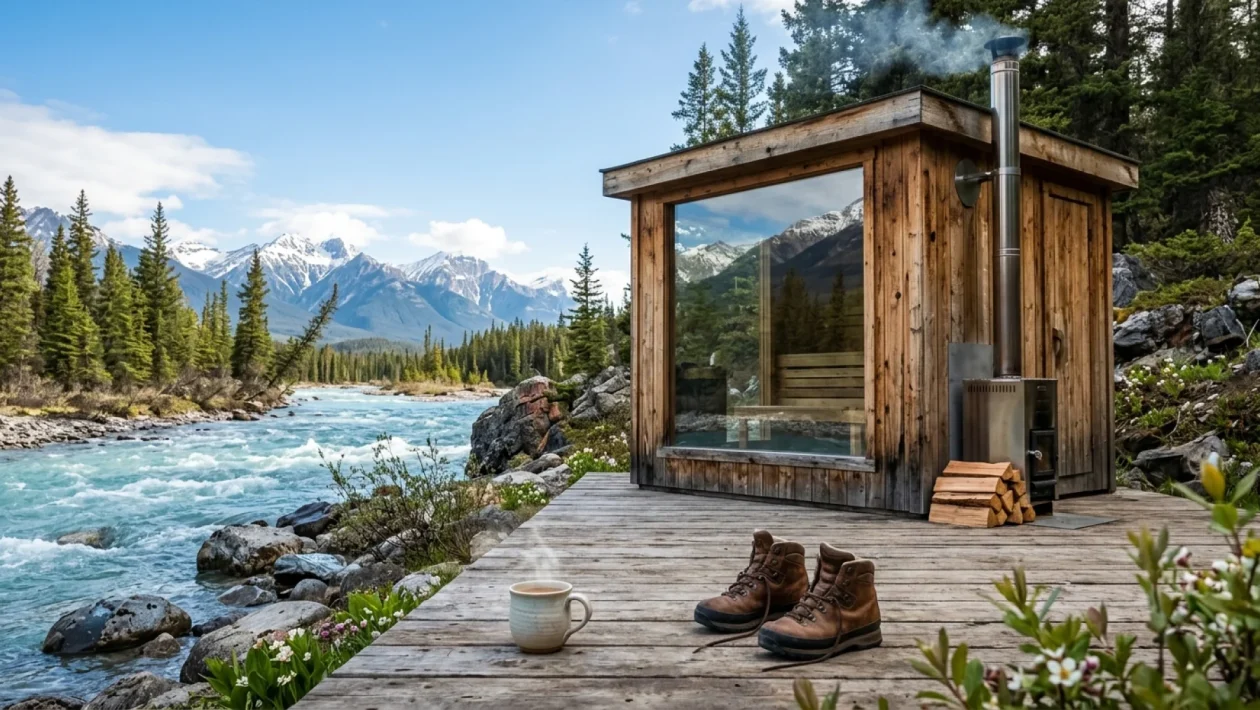
- Embrace the thermal cycle: Hit the wood-fired sauna until you are dripping, then plunge into a glacial river or cold pool. This Scandinavian tradition flushes the physical anxiety right out of your tired muscles.
- Hike with purpose: Grab your trusty boots from MEC and tackle a moderate dirt trail. The rhythmic motion of climbing is nature’s own EMDR therapy.
- Sleep like a rock: With the thin air, dark skies, and absolute silence, let yourself sleep well past 6 AM. No alarms are allowed on this trip.
Without Going Broke: Funding Your Mountain Escape
Now, let us talk about your hard-earned cash. You might hear the phrase “wellness retreat” and instantly picture a five-star lodge that charges $800 for a green juice and a bathrobe. Let me stop you right there.
You do not need a tech billionaire’s budget to reap the massive benefits of alpine recovery. Places like the Scandinave Spa in Whistler or Blue Mountain offer day passes that give you world-class hydrotherapy for a mere fraction of a pretentious overnight resort fee. If you structure your trip right, you can get the full VIP mind-reset on a working man’s budget.
Here is how the costs break down when you decide to do it smartly:
| The Luxury Trap | The Smart Guy Alternative |
|---|---|
| $5,000 All-Inclusive Lodge | $150/night Airbnb cabin nearby |
| $300 Guided “Mindfulness Walk” | $0 Solo hike with a free trail map |
| $450 On-site Spa Package | $95 Day pass to local hot springs |
| $100 Organic Foraged Dinner | $25 Local pub steak or self-cooked campfire meal |
See the difference? You can save thousands of dollars simply by unbundling the experience and keeping your approach practical.
Frequently Asked Questions
Do I need to be in peak physical shape for a mountain retreat?
Not at all. These getaways are entirely about recovery, not setting a new personal best on a gruelling summit. Whether you are doing gentle stretches by a lake or just sitting quietly in a hot spring, the experience is completely tailored to your own pace.
What is the best time of year to go?
Right now, the spring season is heavily underrated. You avoid the massive winter ski crowds and beat the peak summer tourist rush. May gives you quiet trails, rushing waterfalls, and heavily discounted shoulder-season cabin rates.
How long do I actually need to stay to feel the effects?
While a full week off the grid is incredible, a solid long weekend is really the sweet spot. Taking 3 to 4 days away is plenty of time to break the chronic cortisol loop and get your head screwed back on straight.
🤝 Good luck finding your perfect slice of high-altitude peace this season. You have absolutely earned the right to step back, breathe actual fresh air, and stop running on fumes.
💡 If you apply even half of the practical strategies we talked about today, you will come down from the summit feeling like a completely upgraded version of yourself.
📱 Share your thoughts or your favorite hidden mountain spots with those buddies who desperately need a break. Sometimes, the best intervention is booking the cabin yourself and dragging them along for the ride.
👇 Until next time, keep your boots muddy, your wallet full, and your mind clear. I will see you out on the trails!