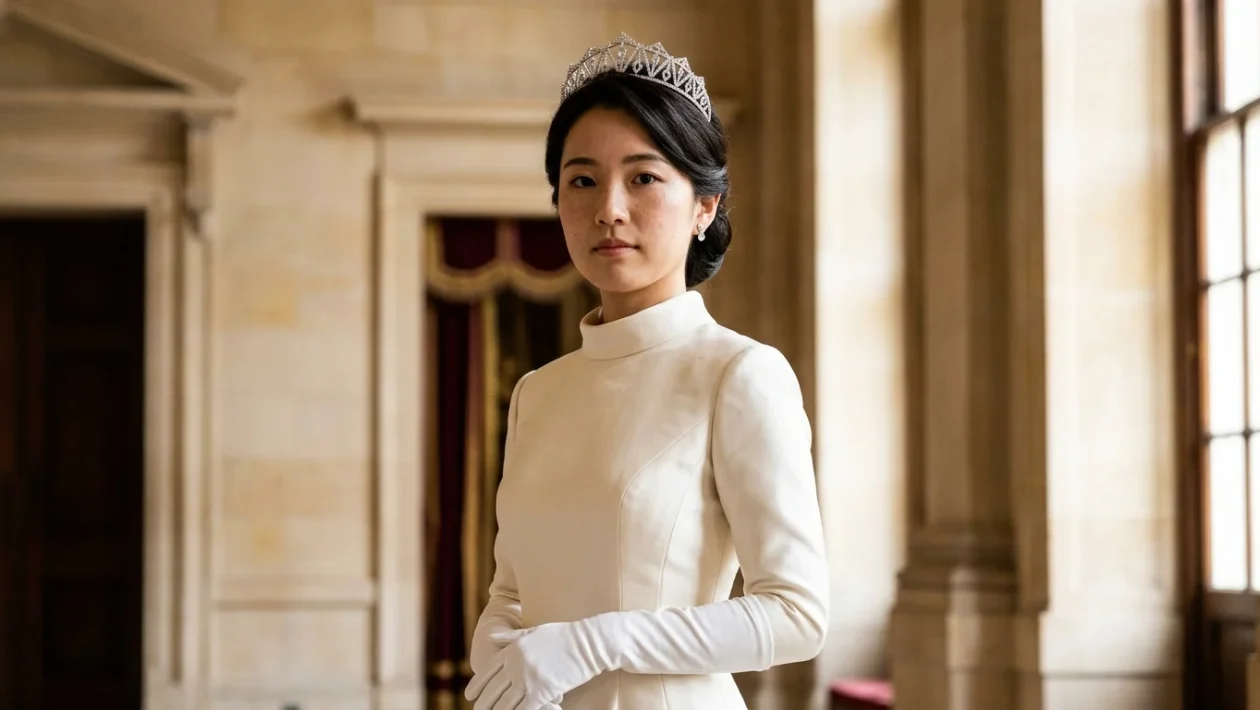
Emperor Naruhito and the Japanese imperial family at a formal public appearance
Japan’s Parliament has passed a major reform to the rules governing the country’s imperial family. Princesses are now legally permitted to retain their royal status even if they marry commoners.
The legislation aims to stabilize a shrinking household without altering the male-only line of succession. It also establishes a legal route for eligible male descendants of former imperial branches to rejoin the family through adoption.
New Marriage Rules for Imperial Women
Under the old system, royal women were stripped of their titles and forced to leave the household upon marrying a commoner. The revised law grants them the right to stay in the imperial family and continue their official public duties.
However, this royal status does not extend to their new families. The husbands and children of these princesses will remain strictly private citizens without imperial standing.
The move is designed to preserve the number of working royals available for public appearances and state ceremonies, but it deliberately avoids granting these new families any succession rights.
Reviving Former Imperial Branches
Lawmakers also introduced a pathway for male descendants of former royal collateral branches to integrate into the modern household.
Eligible candidates must be unmarried, at least 15 years old, and share a paternal bloodline with branches that were stripped of their imperial status in 1947. During Japan’s postwar restructuring, 51 members across 11 branches lost their royal standing.
This provision seeks to create new male family lines to produce future heirs. Lawmakers chose to reinforce the traditional patriarchal system rather than open the throne to women.
Princess Aiko Remains Excluded
The reforms do little to change the legal trajectory for Princess Aiko, the only child of Emperor Naruhito and Empress Masako.
According to the Imperial Household Agency, Aiko was born on December 1, 2001, making her 24 as of July 2026. She may now retain her title and working royal status if she marries outside the nobility.
Yet, despite being the emperor’s sole child, Aiko remains permanently barred from the Chrysanthemum Throne. Japanese law continues to strictly limit succession to men descended through the paternal line.
A Shrinking Household and Succession Crisis
The imperial household has dwindled to just 16 adults, only five of whom are men. Decades of women being forced out upon marriage accelerated this demographic decline.
The current line of succession is precariously narrow. Following Emperor Naruhito, the throne will pass to his younger brother, Crown Prince Fumihito (also known as Crown Prince Akishino).
Next in line is Fumihito’s son, Prince Hisahito, followed by Naruhito’s elderly uncle, Prince Hitachi.
The Monarchy’s Future Rests on Prince Hisahito
Born on September 6, 2006, the 19-year-old Prince Hisahito was the first male born into the imperial family in four decades. He remains the royal family’s only young male heir.
The monarchy’s long-term survival under current laws relies heavily on Hisahito eventually fathering a son. By allowing the adoption of men from former branches, lawmakers are attempting to reduce the immense pressure placed on this single young prince.
Ultimately, the latest legislation addresses who can work for the royal household, but firmly ignores public interest in female succession. The Chrysanthemum Throne remains an exclusively male domain.