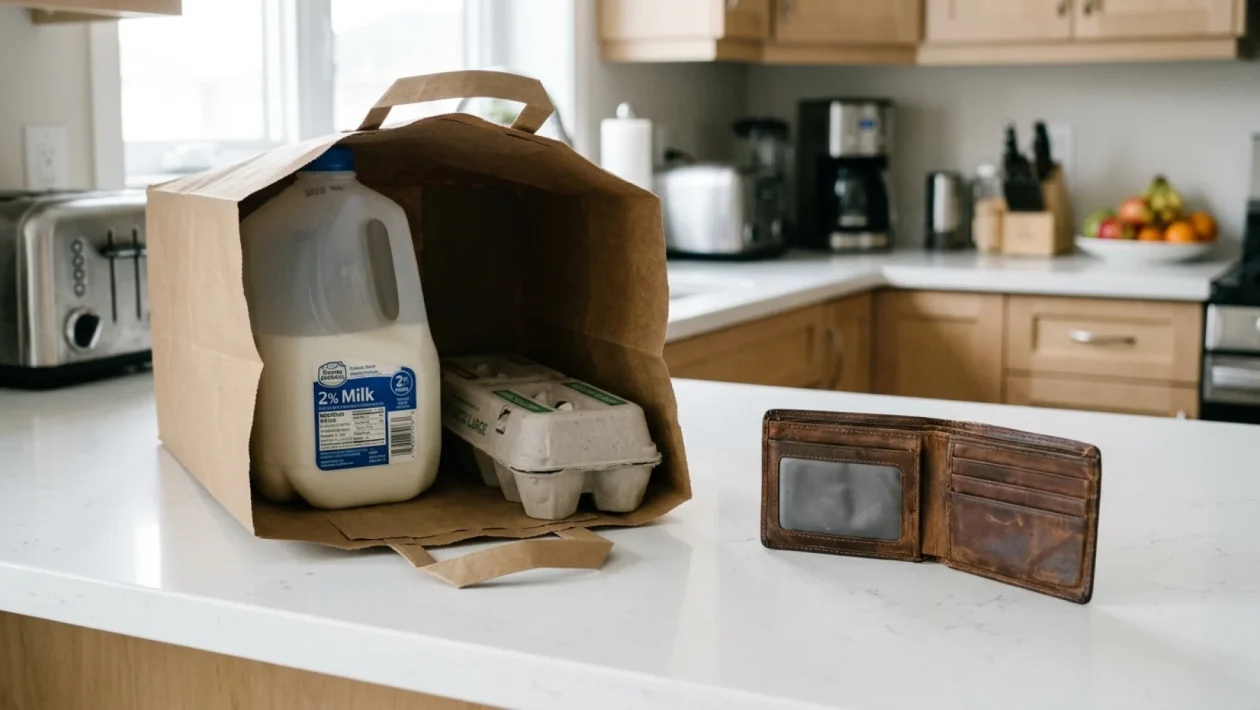
You’re standing at the checkout line, staring at the total on the screen, and wondering if the machine made a mistake. It didn’t. The brutal truth is that feeding your family right now requires a financial acrobatics routine we haven’t seen in our lifetime. If you feel like you are drowning just buying basic milk and bread, you aren’t crazy—and you definitely aren’t alone. Today, we are going to unpack exactly why the working class is being squeezed dry at the supermarket and, more importantly, lay out a battle plan to stop the bleeding.
Grocery Inflation Crisis
The numbers are officially in, and they paint a grim picture of our current reality. According to a shocking May 2026 report from the New York Fed, more folks are struggling to put food on the table right now than during the absolute peak of the pandemic. Food insecurity is skyrocketing, and the pressure is relentless.
We are living in what economists call a “K-shaped” recovery. That means while the top earners are riding high on wage growth and productivity, the rest of us are left fighting over scraps. The disconnect between Wall Street and Main Street has never been wider.
Whether you are grabbing essentials at a local Loblaws or stocking up for the month at Walmart, the sticker shock hits you like a truck. Over one-tenth of households are actively skipping meals right now, which is more than double the rate we saw back in June 2020.
Why Savings Are Vanishing
Remember that rainy day fund you worked so hard to build? It’s evaporating before your eyes. The safety net that took years to construct is being systematically dismantled by the cost of basic survival.
The data shows that more than a third of households are now raiding their savings accounts just to pay for weekly groceries. Compare that to just 21.8% early in the pandemic, and you can see the massive, widening crack in our economic foundation.
High interest rates, relentless price gouging, and massive government cuts to vital support programs have created a perfect storm for your wallet.
“We are witnessing an unprecedented era where basic survival is treated as a luxury. When hard-working folks have to liquidate their retirement savings just to buy ground beef and eggs, the system isn’t bending—it’s breaking,” says Dr. Aris Thorne, a leading North American consumer economist.
Let’s look at the harsh reality of where your hard-earned paycheck is actually going.
| Financial Drain | The 2026 Reality |
|---|---|
| Food Costs | Prices have surged well above wage growth, destroying traditional weekly budgets. |
| Debt Servicing | Credit card delinquencies are hitting historic highs as people borrow money just to eat. |
| Safety Nets | Massive multi-billion dollar cuts to SNAP and community programs leave millions stranded. |
How To Protect Your Wallet
You can’t control the Federal Reserve, but you can control how you operate inside the grocery store. Surviving this grocery inflation nightmare requires a ruthless, tactical approach to how you spend every single dollar.
Stop wandering the aisles hoping for a good deal. It’s time to shop like a pro and protect your house.
- Audit your pantry inventory: Before you even think about grabbing your car keys, figure out what you already own. Build your weekly menu around the canned goods, frozen veggies, and half-empty pasta boxes sitting in the back of your cupboards.
- Shop the loss leaders: Grocery giants price certain staple items below cost on the front page of their flyers just to get you in the door. Buy those specific discounted items, and then walk right out. Do not fall for the expensive end-cap displays.
- Embrace alternative proteins: Meat prices are completely out of control. Swap out ground beef for lentils, chickpeas, or black beans two nights a week. It slashes your grocery bill instantly and is incredibly filling.
- Switch to cash envelopes: When you swipe a card, the money doesn’t feel real. Pull out a set amount of physical cash for your weekly food budget. When the envelope is empty, your shopping is 100% done.
Frequently Asked Questions
Will grocery prices ever go back down to normal?
Historically, inflation doesn’t mean prices reverse; it just means they stop climbing at such a terrifying speed. Your best bet is permanently adjusting your buying habits and mastering the art of budget shopping rather than waiting for 2019 prices to magically return.
Why is inflation hitting the middle class so aggressively?
Because basic necessities like food, gas, and housing make up a much larger percentage of a working-class budget. When a pound of beef goes up by three bucks, a wealthy person doesn’t blink, but a guy living paycheck-to-paycheck feels the hit immediately.
Is it really cheaper to buy in bulk?
Only if you actually consume what you buy before it spoils. Buying fifty pounds of rice is a great defensive move against inflation, but buying bulk produce that rots in your crisper drawer is just throwing your hard-earned money straight into the garbage.
👇 It’s time to take control of your kitchen. The economic data might be terrifying, but giving up is simply not an option for those of us who have families to feed and bills to pay.
💡 You have the tools to fight back. By staying highly disciplined, sticking to a hard cash budget, and refusing to pay premium prices for basic goods, you can successfully weather this financial storm.
🤝 Good luck out there, and stay sharp. If you found this breakdown helpful, please share your thoughts in the comments below or pass this article along to a buddy who could use a solid financial reality check!