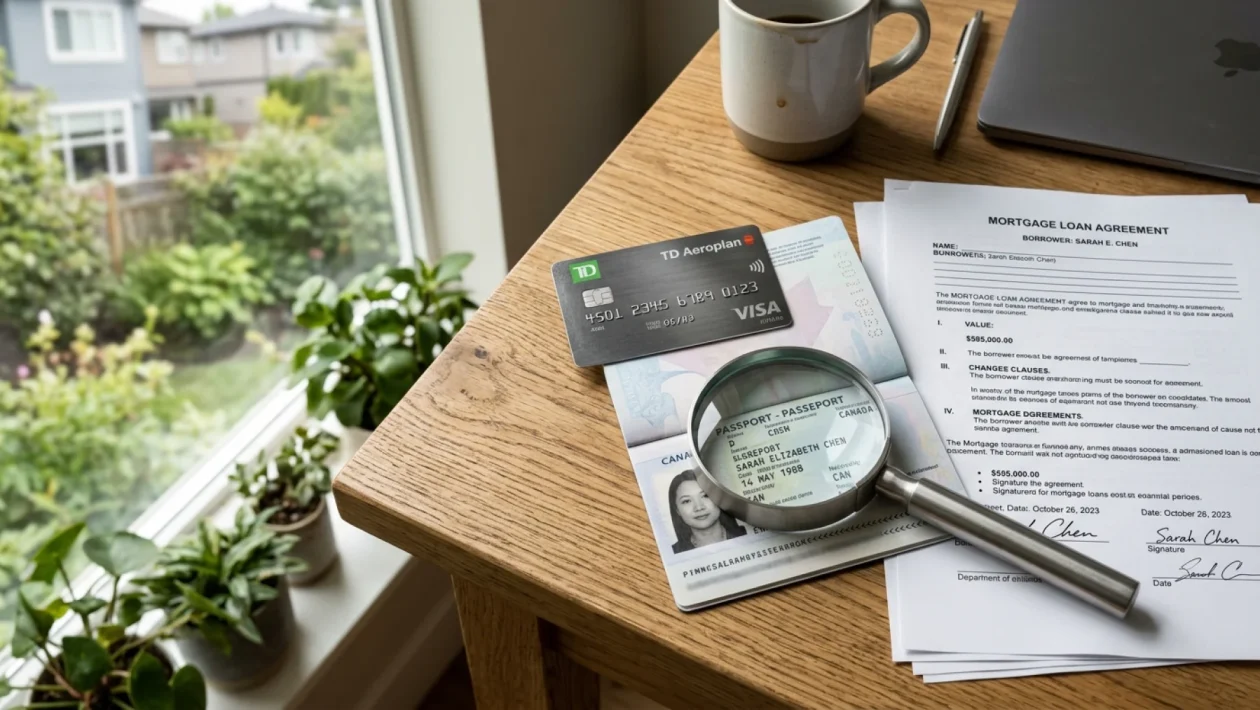
If you rely on the North American financial system to run your household, your business, or your life, the rulebook just got aggressively rewritten.
President Donald Trump recently signed a sweeping executive order forcing banks and financial regulators to heavily scrutinize the legal immigration status of their customers.
The core objective is to flag undocumented individuals who are opening accounts, securing credit cards, or taking out loans. The government is arguing that deportable clients represent a massive, unchecked credit risk to the financial system.
Whether you are an expat, a cross-border worker, or just someone trying to secure a loan, you need to understand exactly how this policy shift will change the way you bank.
Bank Immigration Checks
For decades, your citizenship status was rarely the primary concern of a local branch manager. They cared about your credit score and your income.
Bank immigration checks are changing that dynamic entirely. The White House has made it clear: they will not tolerate risks to the financial system caused by extending credit to foreign nationals who are subject to deportation.
While the final order is slightly less aggressive than initial rumors—which suggested a mandatory, universal data collection on every single customer—it still directs federal agencies to actively hunt for red flags.
Because banks have never historically tracked this data, nobody truly knows the scale of the financial risk. But regulators are now on the prowl, meaning everyday folks will likely face more paperwork just to prove they belong.
How Trump’s New Executive Order Impacts Cross-Border Finance
If you bounce between Canada and the U.S. for work, or you send money back home to family, the friction is about to increase.
As we navigate the spring of 2026, the government is putting a massive target on international remittances. Sending money across borders will now trigger enhanced compliance reviews to ensure the sender has a legal right to reside in the country.
Even if you are a legal cross-border worker, you might get caught in the administrative crossfire. Major institutions with heavy North American footprints, like TD Bank, will be forced to adapt their compliance systems to these new federal guidelines.
Here is exactly how you should prepare your accounts to avoid being frozen out of the system:
- Update your KYC profile: Proactively contact your bank to ensure your “Know Your Customer” file contains your most recent passport, visa, or permanent residency data.
- Consolidate your cross-border activity: Avoid using multiple small remittance services. Stick to one primary, verifiable financial institution to reduce the chances of your transactions getting flagged.
- Keep physical records: Always have printed copies of your work permits or tax documents ready in case a financial automated system locks your account pending a manual review.
The Impact On Mortgages
The dream of homeownership is where this executive order hits the hardest.
Many immigrant workers pay taxes and buy homes using an Individual Taxpayer Identification Number (ITIN) instead of a standard Social Security Number. Historically, this was a tough but viable path to a mortgage.
However, an eye-opening study by the left-leaning Urban Institute found that there are currently only about 5,000 to 6,000 active mortgages issued to ITIN holders nationwide. Banks have always been highly reluctant to take on these loans.
Now? That reluctance is practically mandated. Major mortgage backers like Fannie Mae and Freddie Mac were already hesitant to insure ITIN mortgages. Under this new executive order, securing a home loan without permanent legal status will become virtually impossible.
And Your Wallet
This isn’t just about big home loans; it directly impacts the cash in your pocket.
The Treasury Department is moving to reclassify certain refundable tax credits as “federal public benefits.” This means many immigrant taxpayers—even those who faithfully file their returns and pay their dues—will be completely blocked from receiving this money.
Financial and tax experts warn that this will disproportionately hammer folks brought to the U.S. as children (DACA recipients) and those under Temporary Protected Status (TPS).
“When you weaponize the banking system to enforce immigration policy, the first casualty is always the consumer. The compliance costs alone will force banks to close accounts that even look slightly complicated.”
To give you a clear picture of where you stand, here is a breakdown of the current financial landscape:
| Customer Profile | Expected Banking Impact |
|---|---|
| Undocumented / ITIN Users | High risk of account freezes, loan denials, and blocked tax credits. |
| DACA & TPS Holders | Loss of refundable tax credits; enhanced scrutiny on new credit lines. |
| Legal Expats & Snowbirds | Increased paperwork and potential delays when transferring funds internationally. |
Frequently Asked Questions
Will my bank close my account immediately if I don’t have a Social Security Number?
Not necessarily immediately. The order focuses on identifying risk and preventing the extension of new credit. However, if your account lacks verifiable identification, you should expect a compliance hold in the near future.
Can I still send remittances to my family in another country?
Yes, but the process is under severe scrutiny. Banks and wire services are now required to look closer at the sender’s status, which may lead to processing delays or requests for additional identification.
Are Canadian banks operating in the U.S. subject to this order?
Absolutely. Any financial institution operating within the United States, regardless of where its parent company is headquartered, must comply with U.S. federal banking regulations and executive orders.
🤝 Stay ahead of the curve by organizing your financial paperwork today, because the era of casual banking is officially over.
💡 Don’t get caught off guard—if you know anyone who relies on cross-border banking or ITIN loans, make sure they understand these new rules before their next bank visit.
📱 Share your thoughts on this massive shift in financial policy with us on social media.
👇 Good luck out there, keep your documents updated, and stay financially vigilant!