Limescale is a persistent menace for kitchen appliances. Hard water leaves behind stubborn calcium and magnesium deposits inside coffee makers, kettles, and dishwashers when heated or dried.
While most people instinctively reach for white vinegar to tackle the chalky buildup, science points to a far more effective alternative: citric acid.
The Science of Eradicating Limescale
Citric acid is a naturally occurring weak acid responsible for the sour taste in citrus fruits. When battling limescale, it relies on a highly efficient, two-step chemical attack.
First, a process called acidification dissolves the hardened minerals. Next, a secondary process known as chelation binds the remaining ion residues to prevent them from redepositing.
Vinegar falls short because it only utilizes acidification. The moment vinegar touches alkaline limescale, its acidity immediately drops. This chemical limitation means you usually have to apply vinegar multiple times to fully eliminate hard water stains.
How to Clean Your Appliances Fast
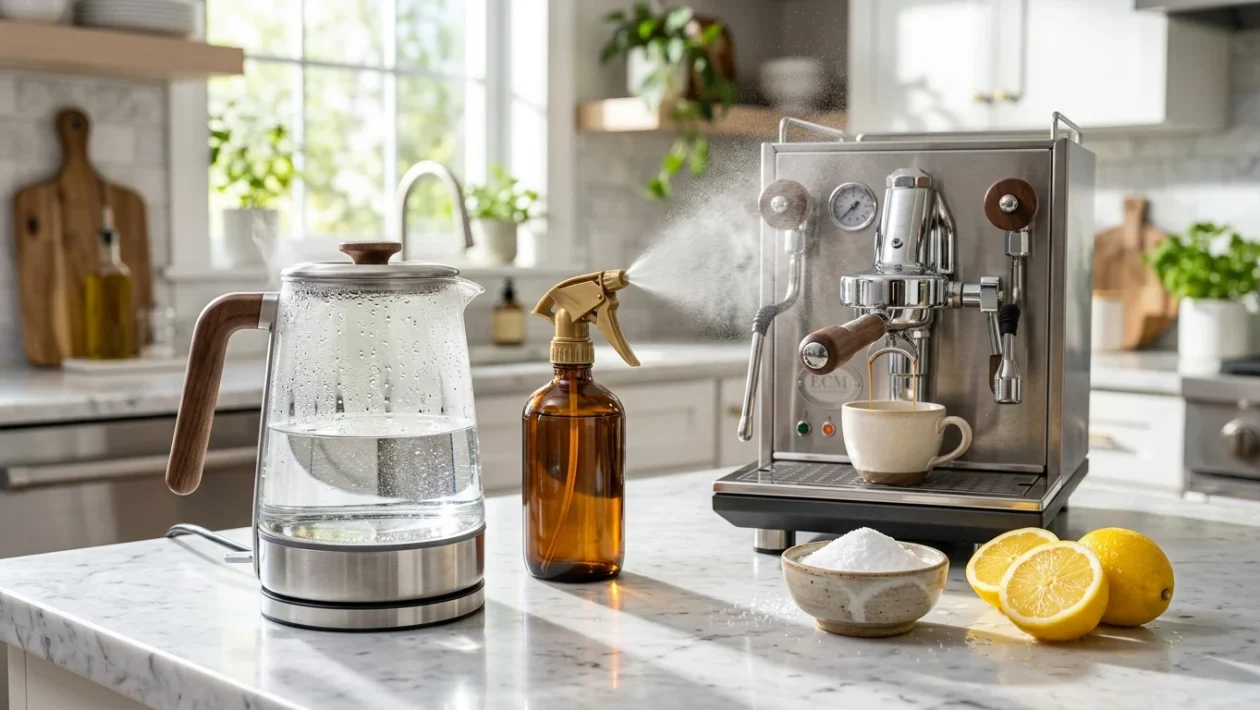
For general surface descaling, create a spray by dissolving two tablespoons of citric acid into 500 milliliters of hot water.
To descale a dishwasher, simply pour a small amount of citric acid powder directly into the detergent dispenser. Run a standard full wash cycle. The acid will dissolve the mineral buildup completely, and unlike vinegar, it leaves zero pungent odor behind.
It acts incredibly fast. Citric acid can thoroughly descale and clean a standard coffee maker in roughly 30 minutes.
Beyond the Kitchen
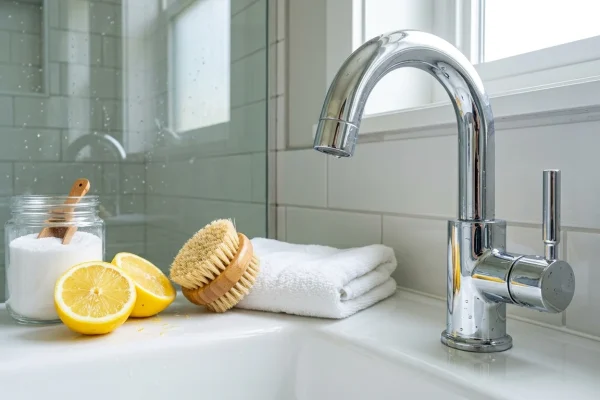
The cleaning power of citric acid extends straight into the bathroom. The compound efficiently strips hard water stains off shower screens, bathtubs, and sinks.
It also doubles as a laundry aid. You can add it to your washing machine to act as a natural fabric softener, though this application should be used exclusively for white clothing.