Rising prices and a growing shift toward eco-friendly living are driving households in Spain back to traditional cleaning methods. One standout solution gaining traction is soaking bay leaves in white vinegar.
This organic mixture neutralizes stubborn odors and cuts through daily grime without the harsh chemicals found in standard supermarket products. It offers an effective, low-cost alternative for regular kitchen maintenance.
The Two-Week Brewing Process
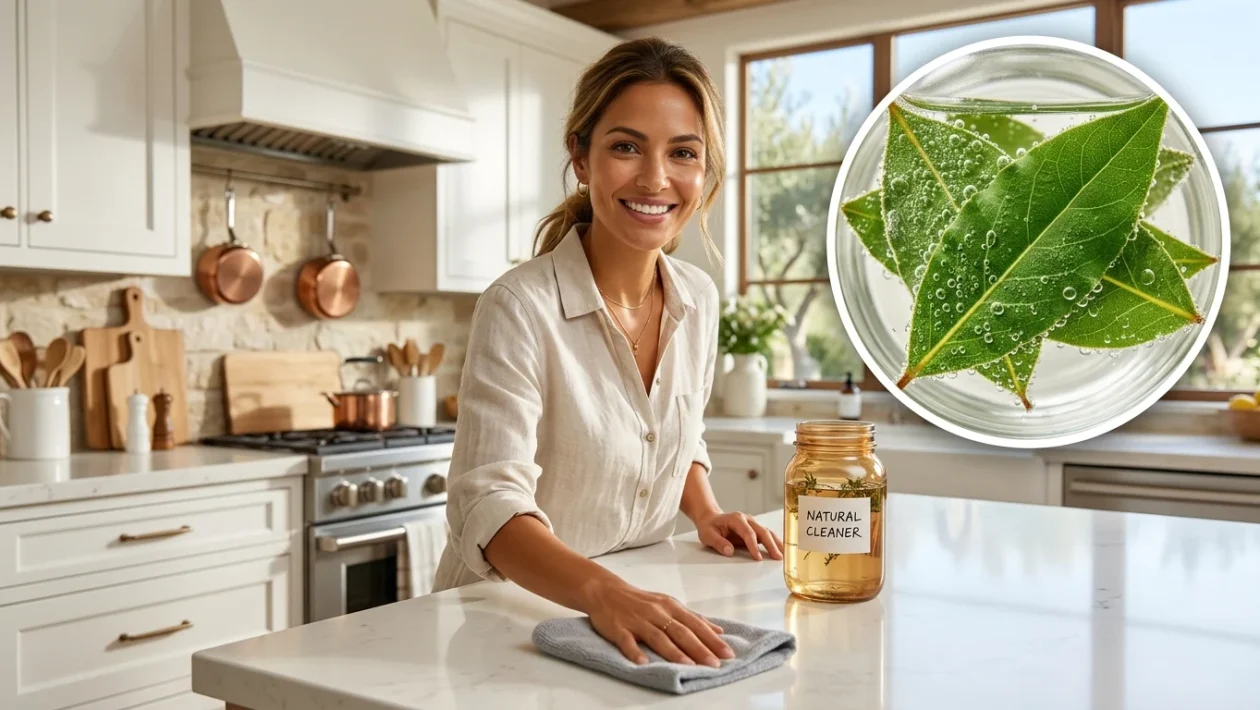
Making this natural cleaner requires patience and a strict resting period. The recipe involves submerging eight to 10 bay leaves in half a liter of white vinegar inside a glass container.
The mixture must be stored in a cool, dark place for exactly two weeks. This wait time is crucial, as it allows the bay leaves to release their essential oils.
These natural oils effectively soften the aggressive, acidic scent of the vinegar. The result is a much milder, pleasant solution that is ideal for wiping down everyday surfaces like countertops and shelves.
How to Apply the Solution
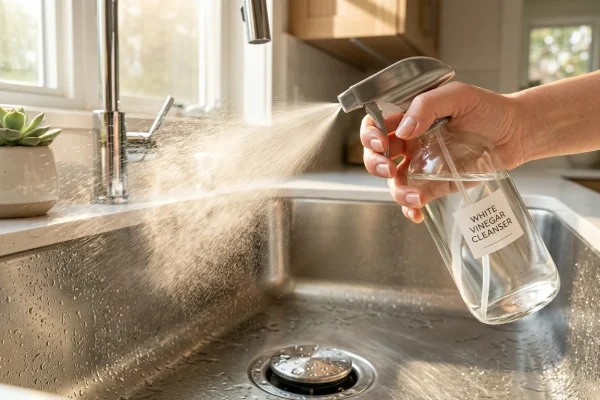
Once the two-week cycle is complete, the liquid must be filtered and diluted with equal parts water before use. The resulting spray is highly versatile.
It works perfectly for polishing door handles and refreshing the inside of garbage cans. When it comes to cleaning refrigerators, application requires a slightly different approach.
Instead of spraying directly onto refrigerator shelves, apply the mixture to a damp cloth. This ensures optimal surface hygiene while preventing any cross-contamination with exposed food.
Understanding the Limitations
Users must understand the difference between basic cleaning and true disinfection. White vinegar is a powerful descaler that easily breaks down calcium carbonate and soap scum.
However, it lacks the chemical properties necessary to professionally eliminate viruses and bacteria. The bay leaves serve a strictly aromatic purpose and do not enhance the acid’s killing power.
This homemade blend is a maintenance tool for daily freshness, not a replacement for heavy-duty sanitary protocols. The revival of this traditional formula highlights a broader consumer shift toward sustainability, blending practical folk wisdom with modern household needs.