
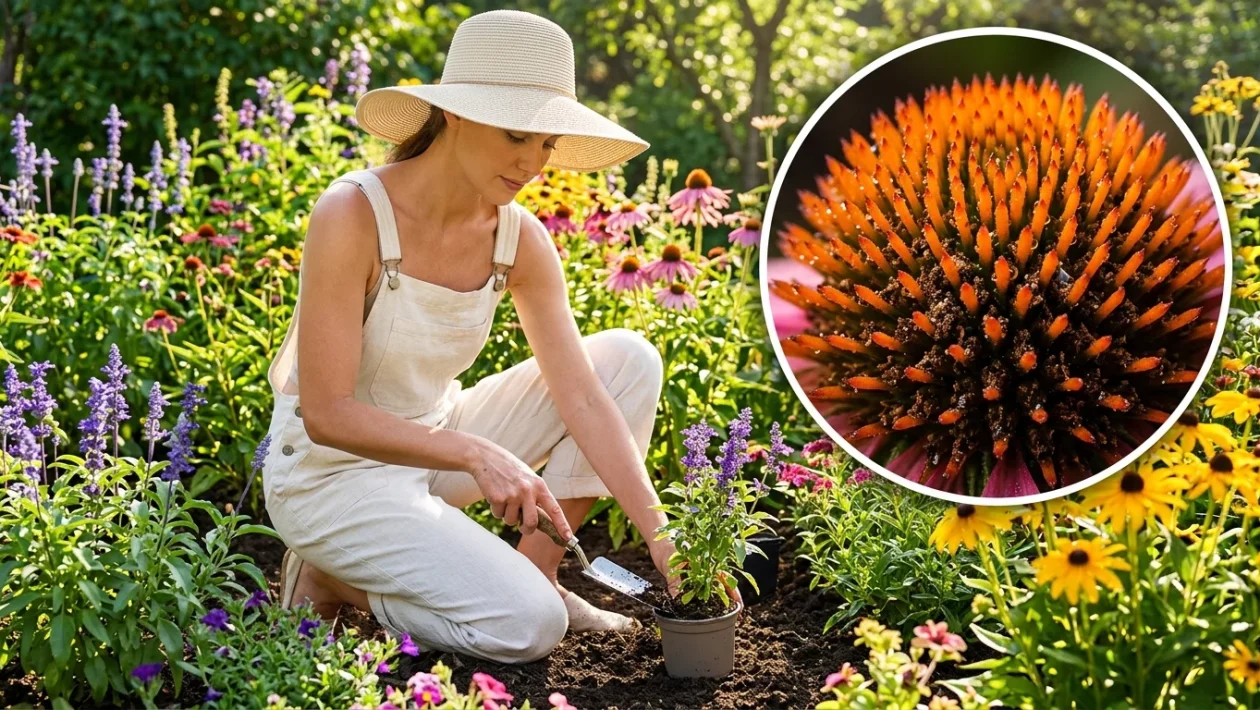
The dog days of summer usually signal the end of the planting season for casual gardeners. But abandoning your beds in August means missing a major opportunity for autumn color and stronger spring returns.
“Having such a large garden, I need it to look full and luscious through the fall season,” says Reem Arbid, gardener and co-founder of the Blue Door Kitchen & Inn. “I plant an assortment of flowers like asters, coneflowers, black-eyed Susans, and mums in lots of colors.”
Whether you want late-season blooms or evergreen herbs, these 11 heat-tolerant perennials are perfectly suited for an August planting schedule.
Coneflower
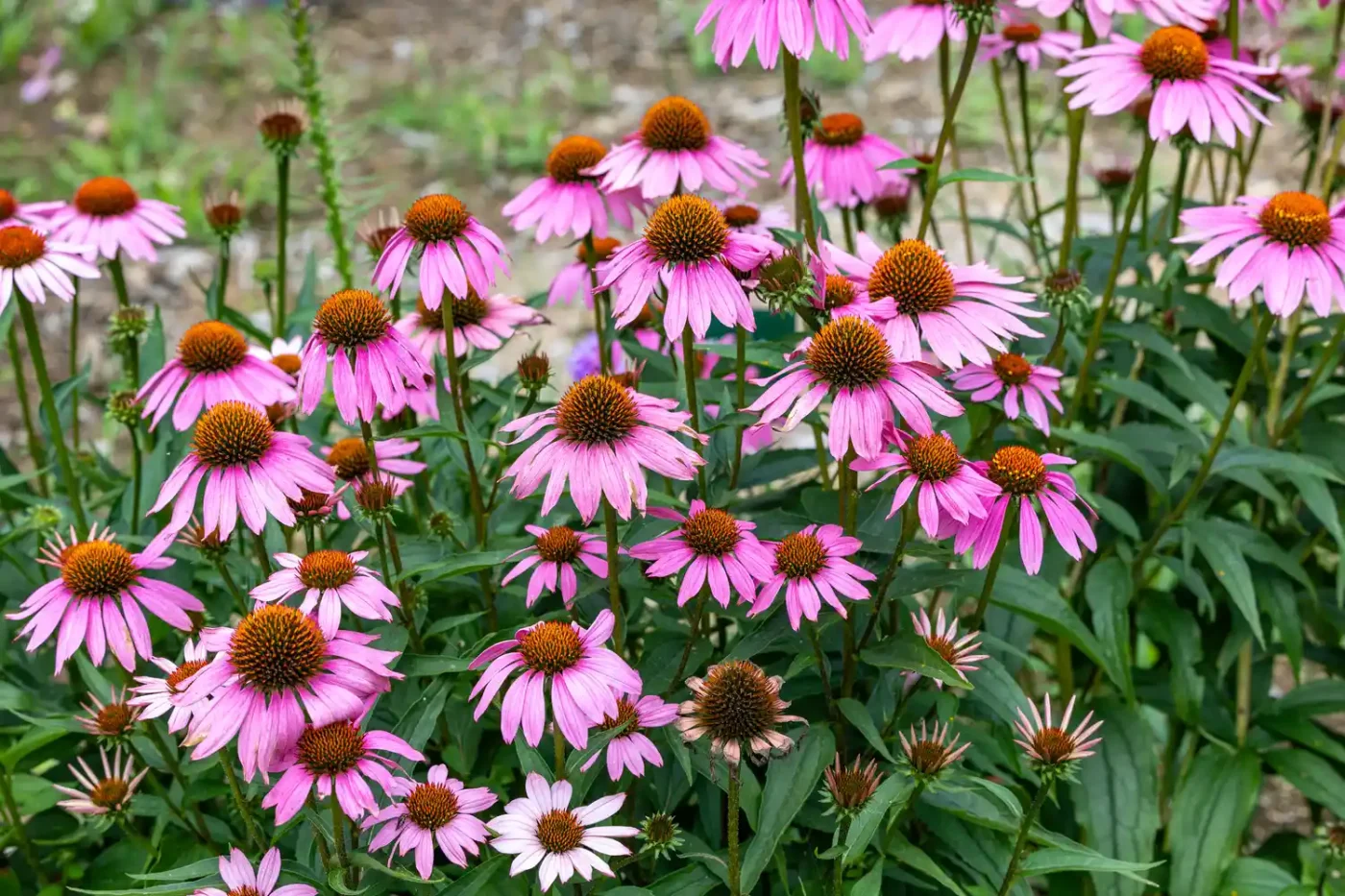
Coneflower in a garden
- Botanical Name: Echinacea ‘Noam Saul’
- Sun Exposure: Full sun, partial shade
- Soil Type: Well-drained, clay, high organic matter, loamy, sandy
- Soil pH: Neutral (6.0-8.0)
Native to North America, coneflowers are a top recommendation for late-summer planting. This pollinator-friendly perennial delivers continuous blooms deep into fall, especially if temperatures remain warm.
Getting them in the ground now ensures months of color and a guaranteed robust return next spring.
Irises
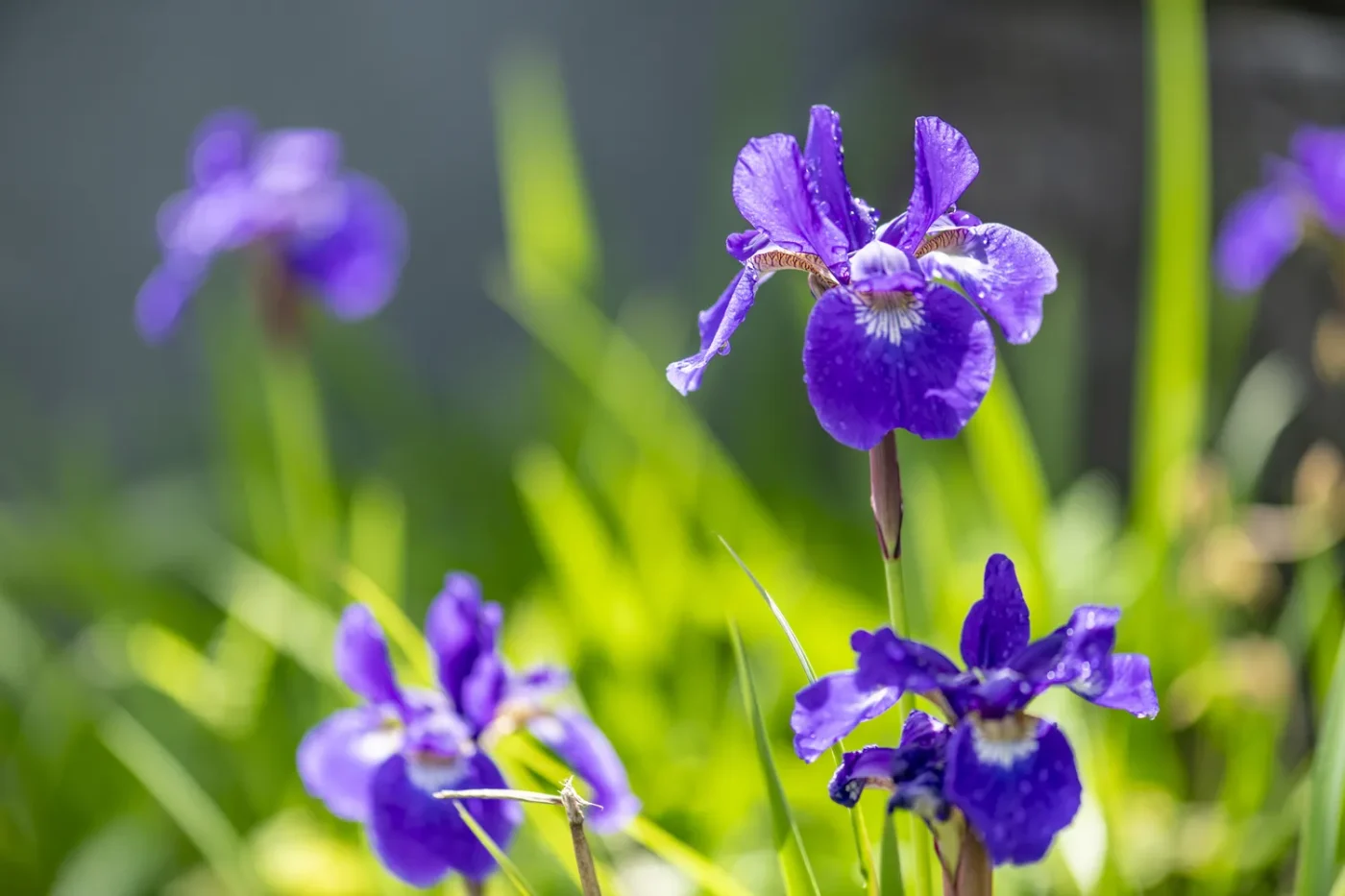
Purple irises
- Botanical Name: Iris spp.
- Sun Exposure: Full sun, partial shade
- Soil Type: Organically rich, well-drained but moist
- Soil pH: Slightly acidic (5.5-6.5)
Irises provide crucial height and color to early summer beds, but August is actually the prime time to get them in the dirt. Use late summer to plant new bulbs or divide your existing clusters.
This timeline allows the roots to settle deeply before cold weather hits, setting the stage for a spectacular spring showing.
Asters
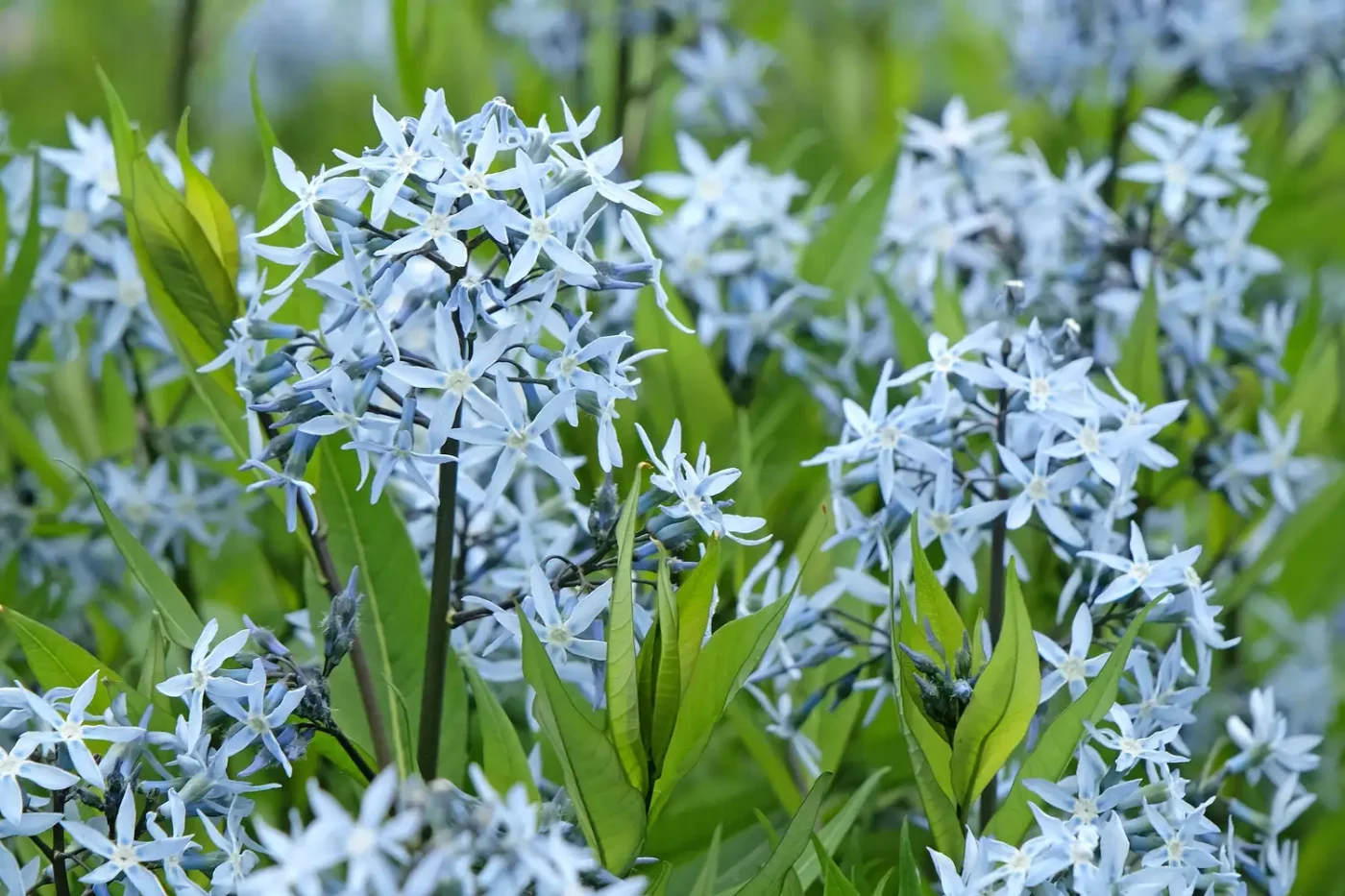
Blue star flower
- Botanical Name: Symphyotrichum spp.
- Sun Exposure: Full sun, partial shade
- Soil Type: Moist, well-drained
- Soil pH: Acidic (6.0-8.0)
For delicate, late-season color, asters are a reliable and vibrant choice. Buy them from a nursery just as they are preparing to bloom.
Ensure they receive plenty of water and a bit of shade during the intense August heat to guarantee flowering throughout the fall.
Japanese Anemone
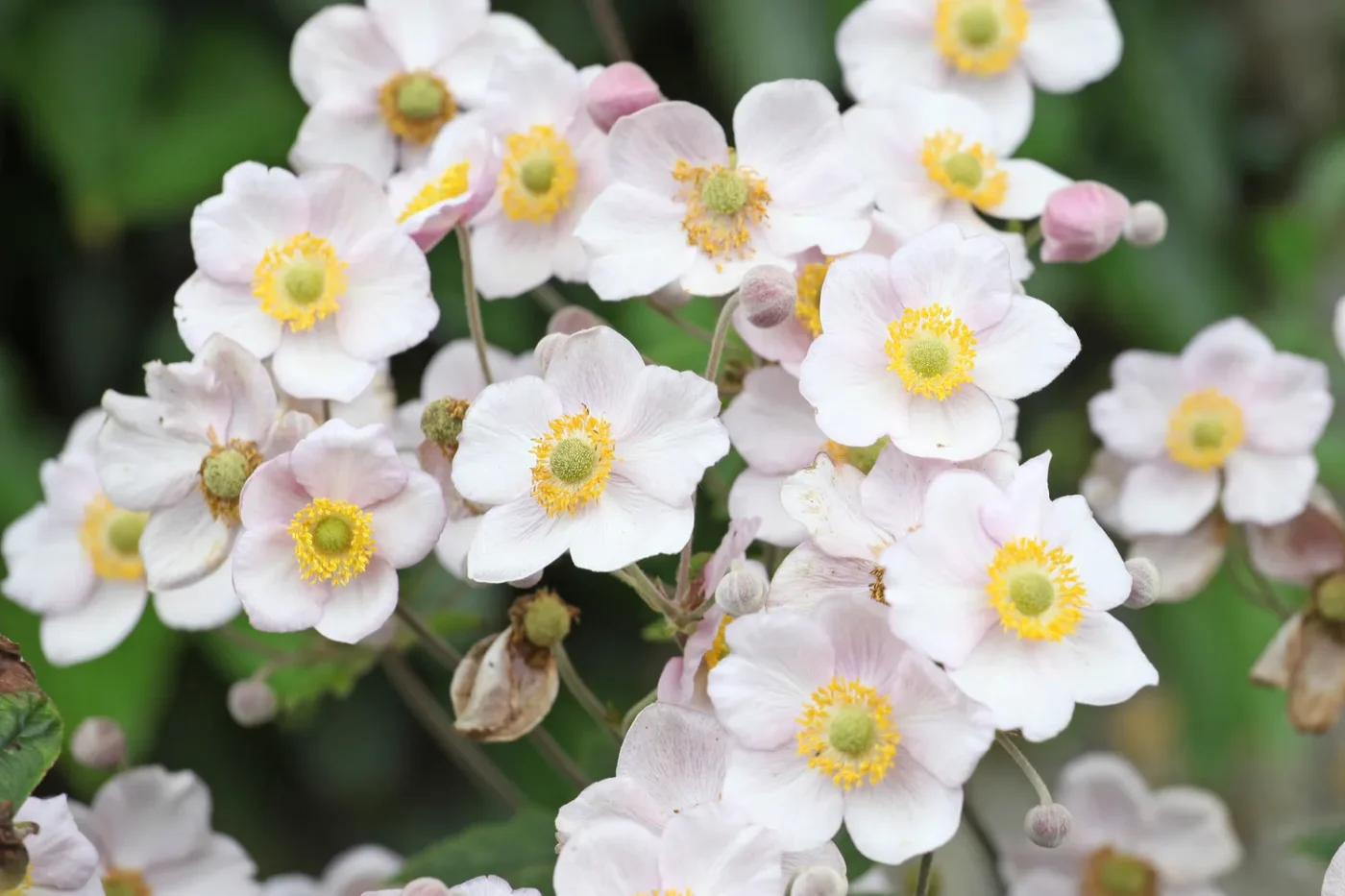
Japanese anemone flowers
- Botanical Name: Anemone hybrids
- Sun Exposure: Partial shade to full shade
- Soil Type: Rich, moist, well-draining
- Soil pH: Slightly acidic to neutral (6.0-7.0)
These tall, cherry blossom-esque perennials thrive when tucked into partial shade. They push out cheerful five-petaled flowers from late summer straight through the autumn months.
Planting Japanese anemones in August gives their root systems ample time to establish ahead of their second growing year.
Coral Bells
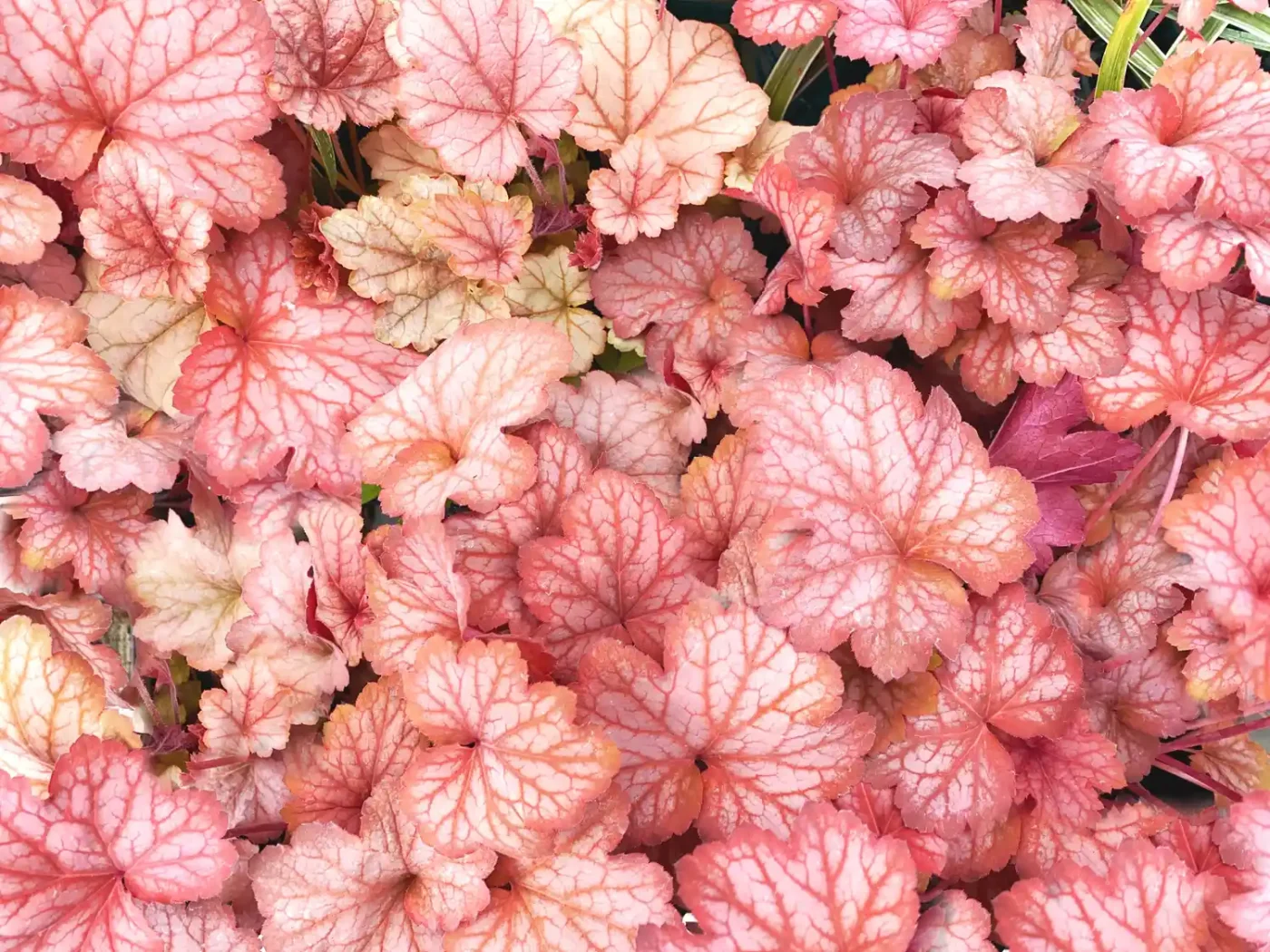
Close up of coral bells
- Botanical Name: Heuchera spp.
- Sun Exposure: Full sun, partial shade
- Soil Type: Moist, rich, well-drained
- Soil pH: Slightly acidic to neutral (6.0-7.0)
Coral bells offer striking, vivid foliage when planted in partial shade and given plenty of water. Because they prefer slightly cooler weather, it is best to plant them near the end of August.
This timing provides immediate autumn color while giving them a massive head start for the following spring.
Daylilies
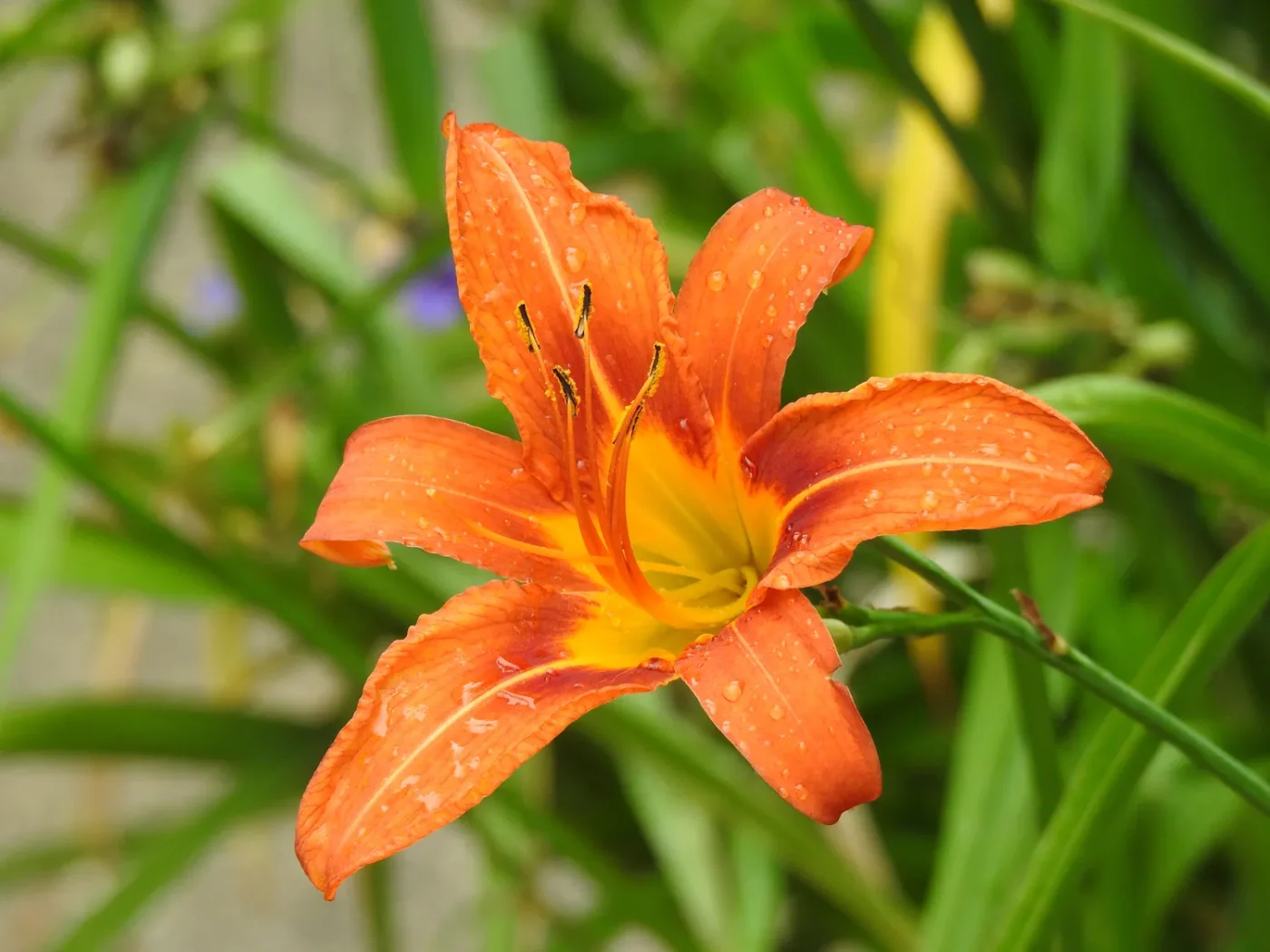
Orange daylily
- Botanical Name: Hemerocallis spp.
- Sun Exposure: Full sun
- Soil Type: Rich, well-drained
- Soil pH: Acidic to neutral (6.5-7.0)
Grown from tubers, daylilies are among the most resilient and easygoing flowers available. They effortlessly tolerate extreme heat, direct sun, and dry spells.
While an August planting likely will not produce blooms this season, it anchors the plants securely for a huge floral display next spring.
Chrysanthemums
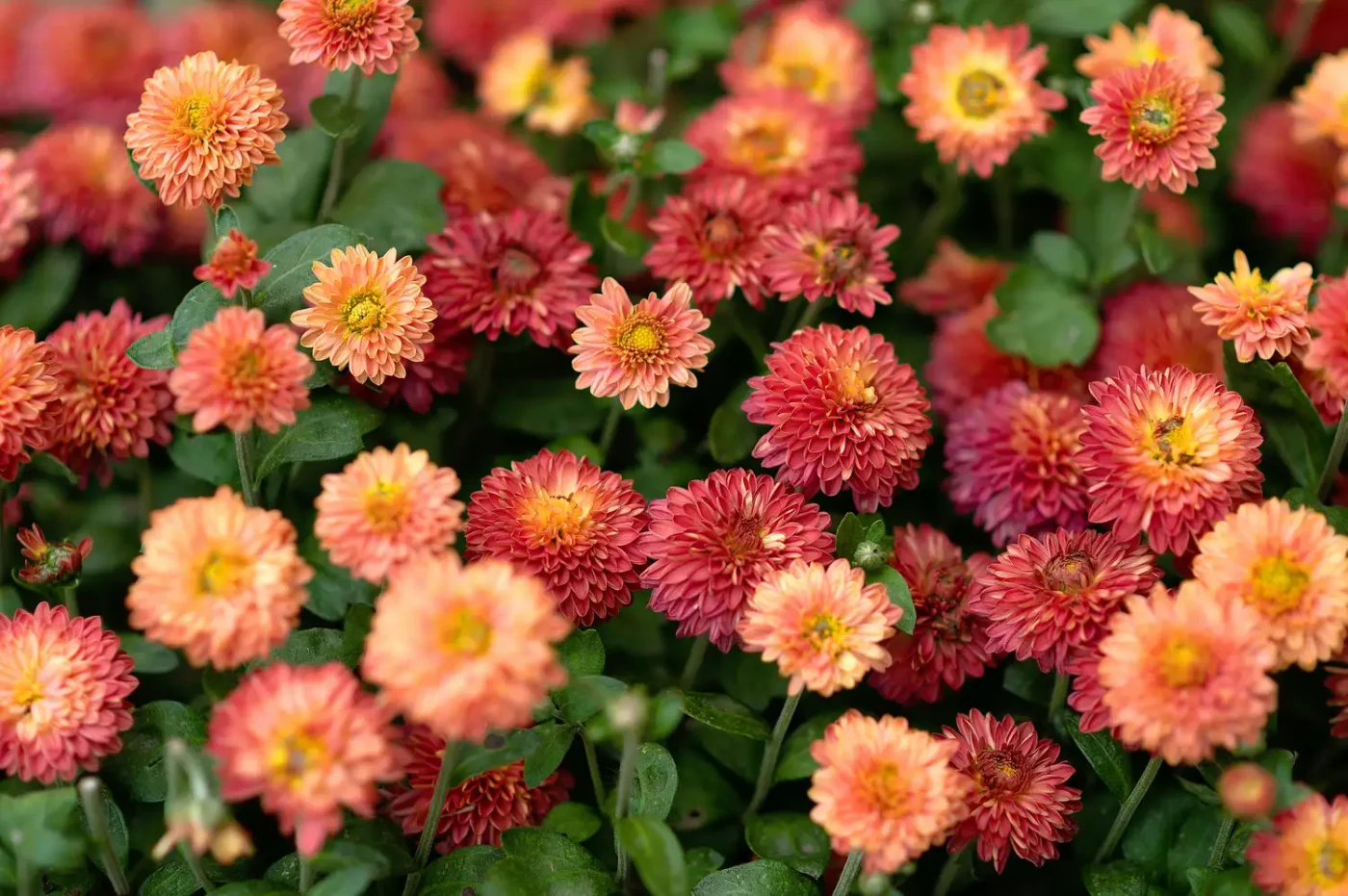
Close up of chrysanthemums
- Botanical Name: Chrysanthemum spp.
- Sun Exposure: Full sun
- Soil Type: Moist, well-drained
- Soil pH: Neutral to acidic (5.8-6.8)
Nothing signals the arrival of autumn quite like a dense, vibrant mound of mums. Available in warm shades of orange, red, yellow, and magenta, they bloom from late August through Thanksgiving.
Make sure you explicitly select hardy perennial mums so they return year after year, rather than dying off after a single season.
Sage
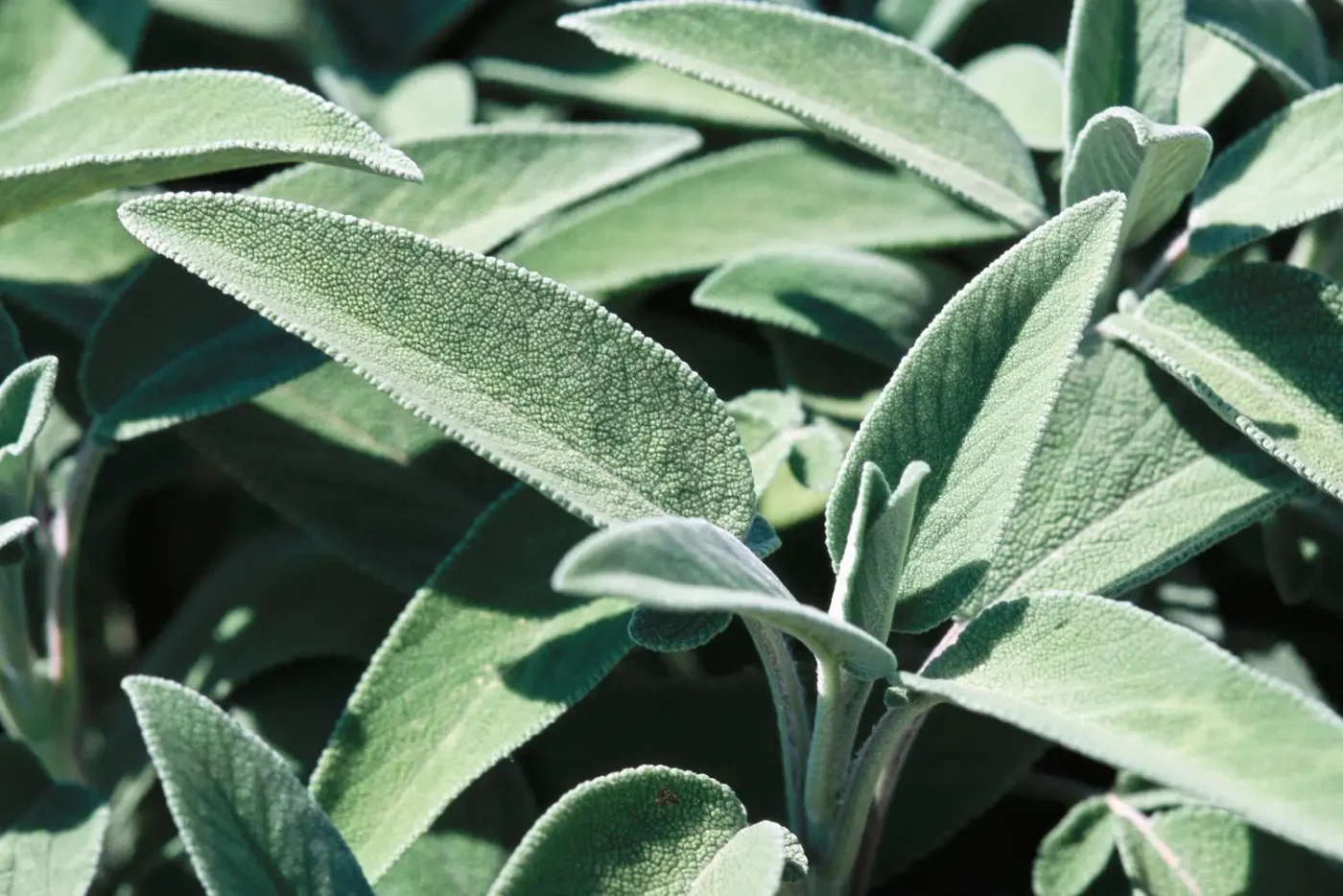
Close up of sage
- Botanical Name: Salvia officinalis
- Sun Exposure: Full sun, partial shade
- Soil Type: Well-drained
- Soil pH: Neutral to slightly acidic (6.5-7.0)
Sage easily handles late-summer heat, but its real value lies in its aggressive winter hardiness. This herb remains strictly evergreen even when temperatures plummet.
Getting it into the soil in August allows its roots to lock in tightly before the winter freeze threatens younger plants.
Black-Eyed Susan
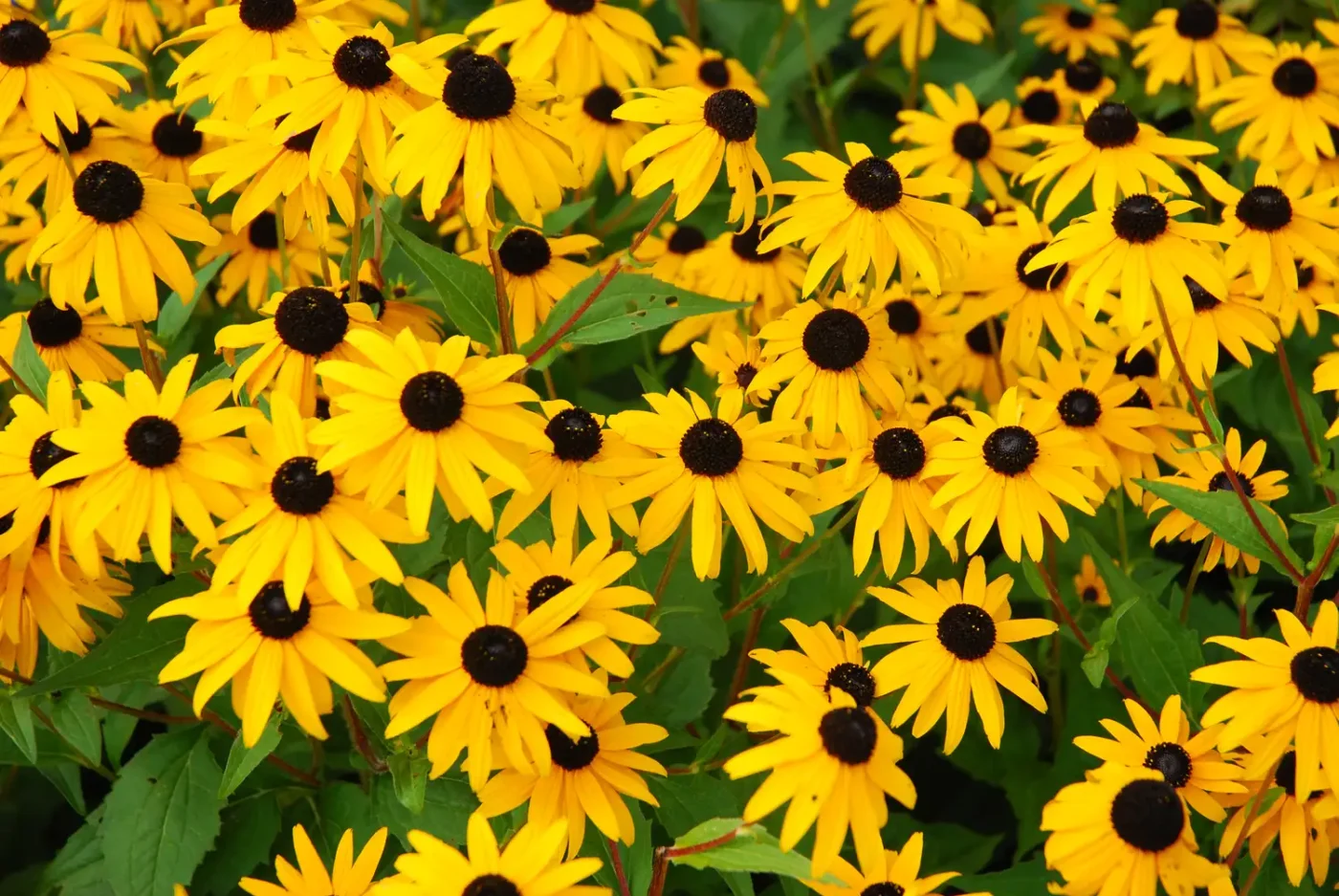
Black eyed susans
- Botanical Name: Rudbeckia hirta, R. fulgida
- Sun Exposure: Full sun to partial shade
- Soil Type: Average fertility, well-drained
- Soil pH: Acidic (5.5-6.5)
Just when early summer flowers begin to fade, black-eyed Susans are ready to take over. These classic yellow blooms thrive from late summer well into the fall.
They shrug off hot days and strong sun, reliably re-seeding themselves to populate your garden again next year.
Lemon Balm
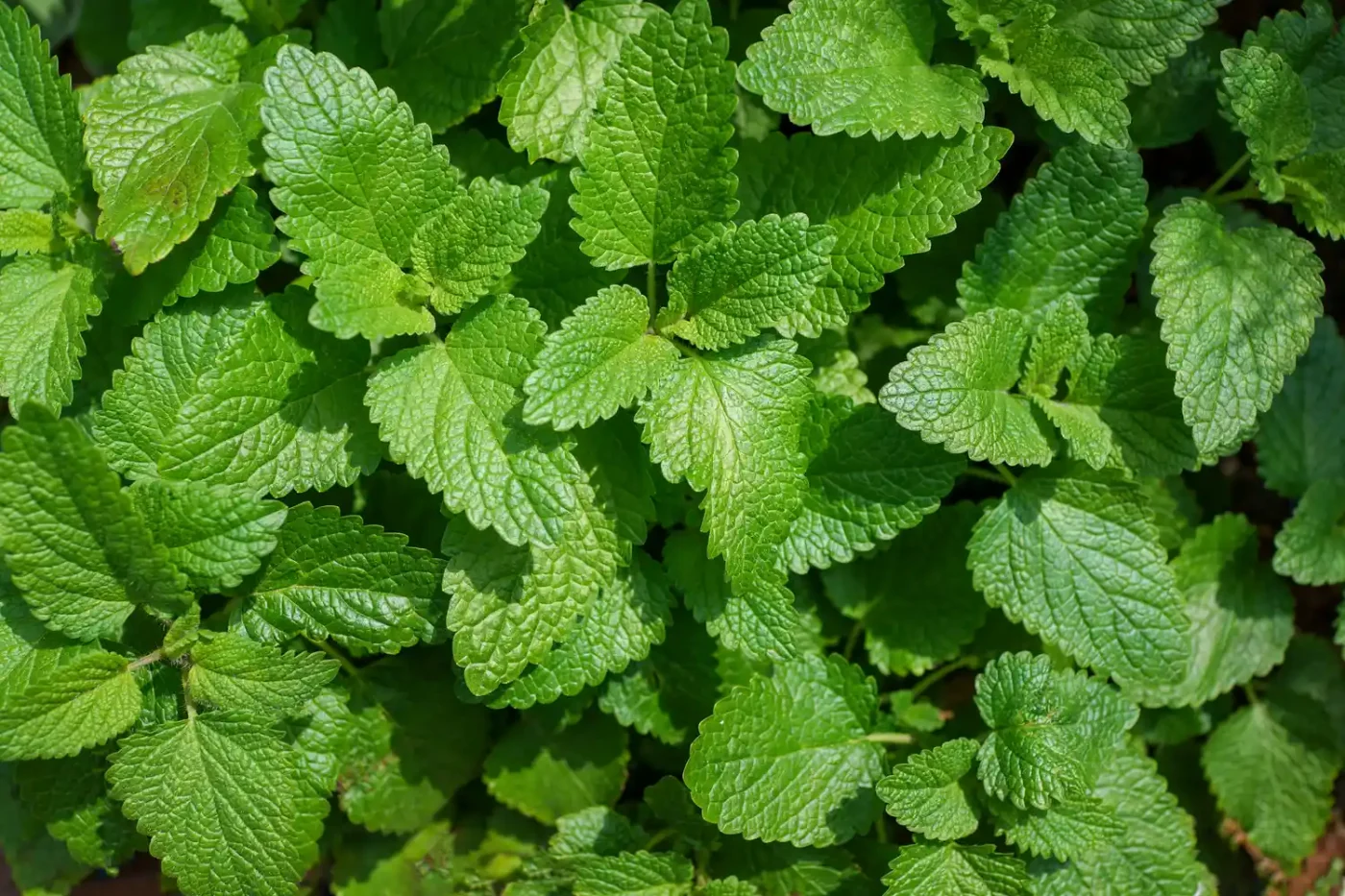
Close up of lemon balm
- Botanical Name: Melissa officinalis
- Sun Exposure: Full sun, partial shade
- Soil Type: Well-draining
- Soil pH: Acidic to neutral (5.0-7.5)
This fragrant perennial herb is a powerhouse for teas and kitchen uses. If planted in August, lemon balm typically yields a solid harvest before the first hard freeze.
Establishing its root system during the fall growing season sets the herb up for aggressive, early spring growth.
Salvia
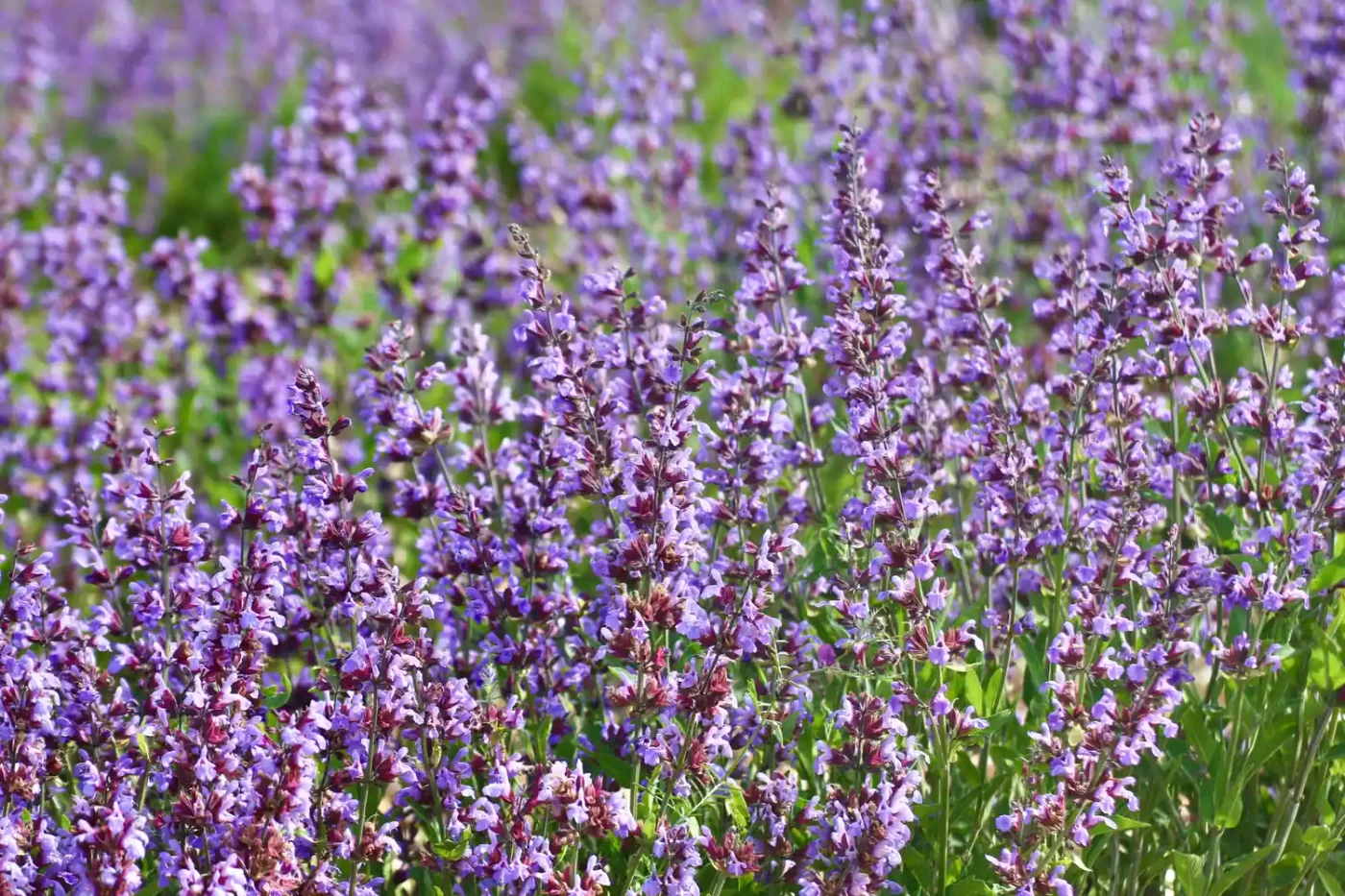
Close up of salvia
- Botanical Name: Salvia spp.
- Sun Exposure: Full
- Soil Type: Well-drained, organically rich
- Soil pH: Slightly acidic (5.5-6.5)
Salvia provides striking purple blooms straight through the autumn months. It offers late-season food for local pollinators long after other blooms vanish.
August planting gives this perennial the critical weeks it needs to build a strong foundation before winter, ensuring it returns vigorously next year.

