
August is widely considered a lull in the gardening calendar, acting as a bridge between peak summer blossoms and the autumn wind-down. However, horticultural experts point to this exact window as the prime time for strategic pruning.
Instead of executing drastic cutbacks, an August trim focuses on clearing spent growth and redirecting plant energy. For several specific species, these targeted snips can easily coax out a second round of flowers before temperatures drop.
Roses
Roses
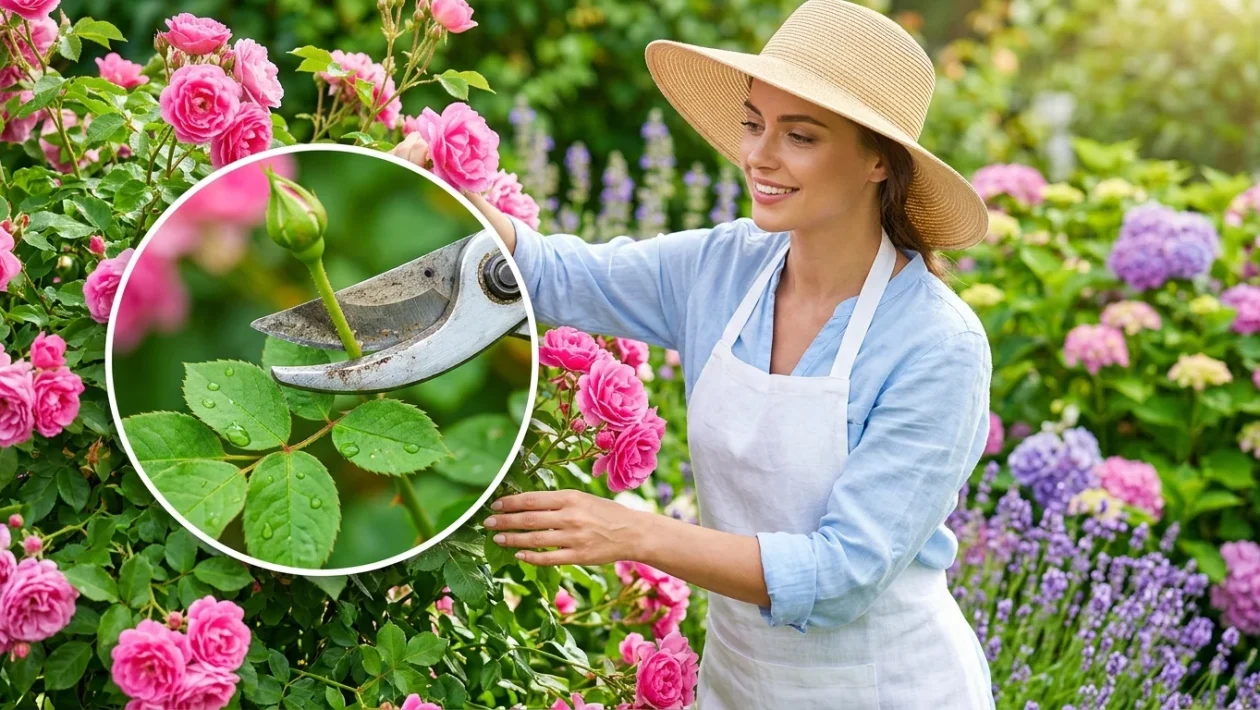
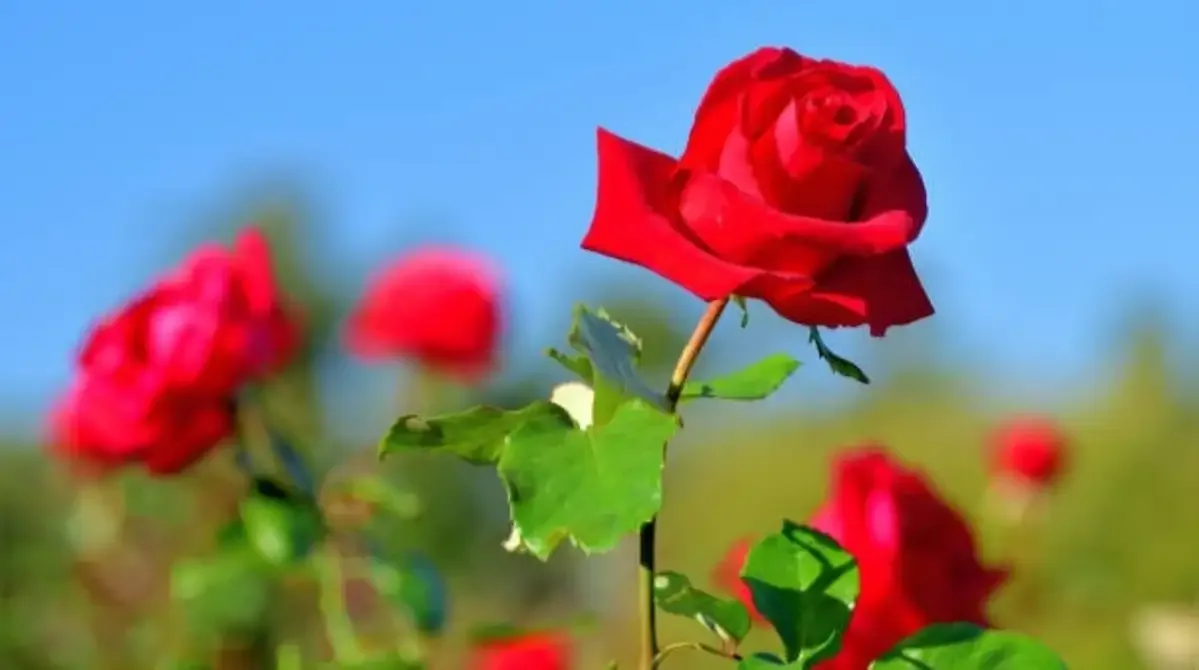
Roses offer some of the highest rewards for late-summer pruning. By deadheading spent blooms and cutting just above a cluster of five healthy leaves, you signal the plant to halt seed production.
This redirected energy pushes out fresh buds, allowing the rose to bloom consistently through early autumn. Removing crossing branches and yellowing leaves now also improves air circulation, mitigating the fungal risks brought on by late-summer humidity.
Lavender

Lavender
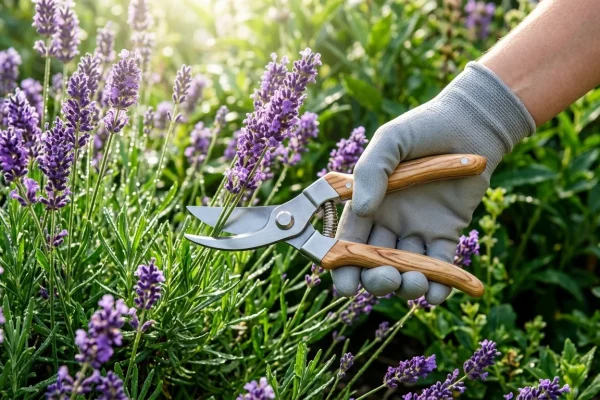
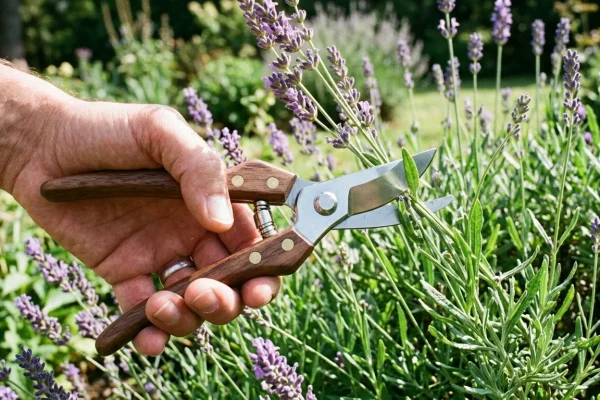
Left untouched, lavender often devolves into woody, straggly bushes by the end of summer. August provides the perfect window to restore its shape.
Once flower spikes fade, experts recommend cutting the plant back by a third. Trim directly into the soft green growth while strictly avoiding old, woody stems. This timing allows the lavender to recover and harden off well before the first winter frost.
Hydrangeas
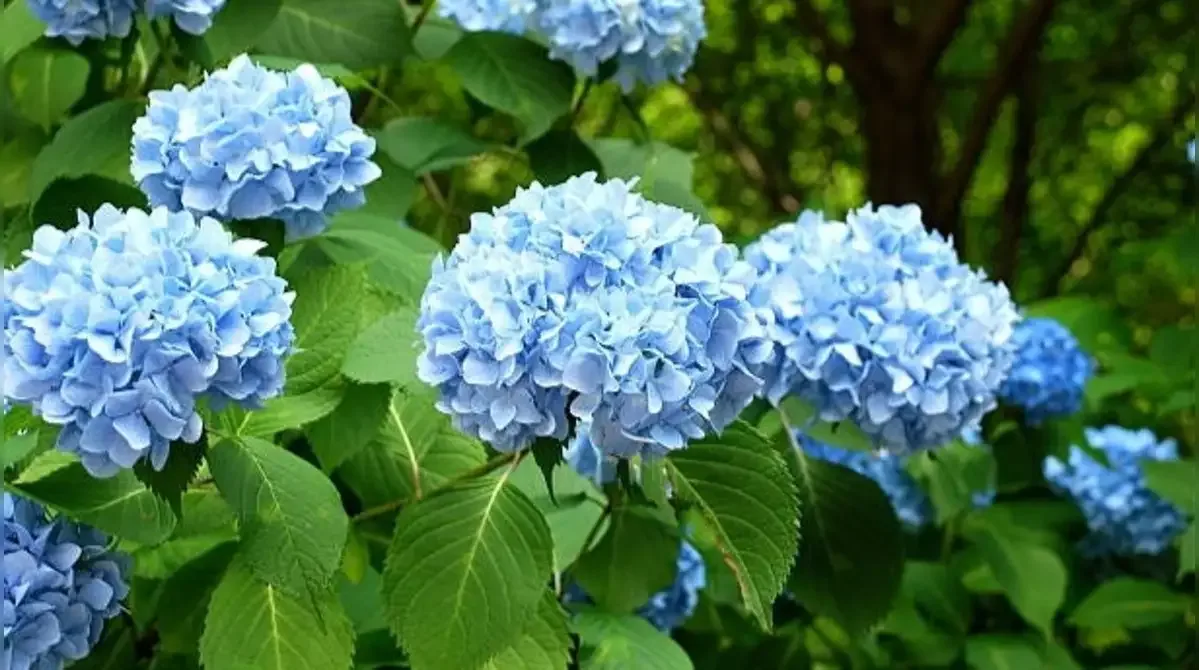
Hydrangeas
Mophead and lacecap hydrangeas require a delicate touch in August. While they may be done flowering, next year’s buds are already forming lower down on the stems.
Careless hacking will ruin next summer’s display. Instead, simply snip off the faded flower heads down to the first strong pair of leaves, leaving the rest of the plant entirely intact.
Wisteria
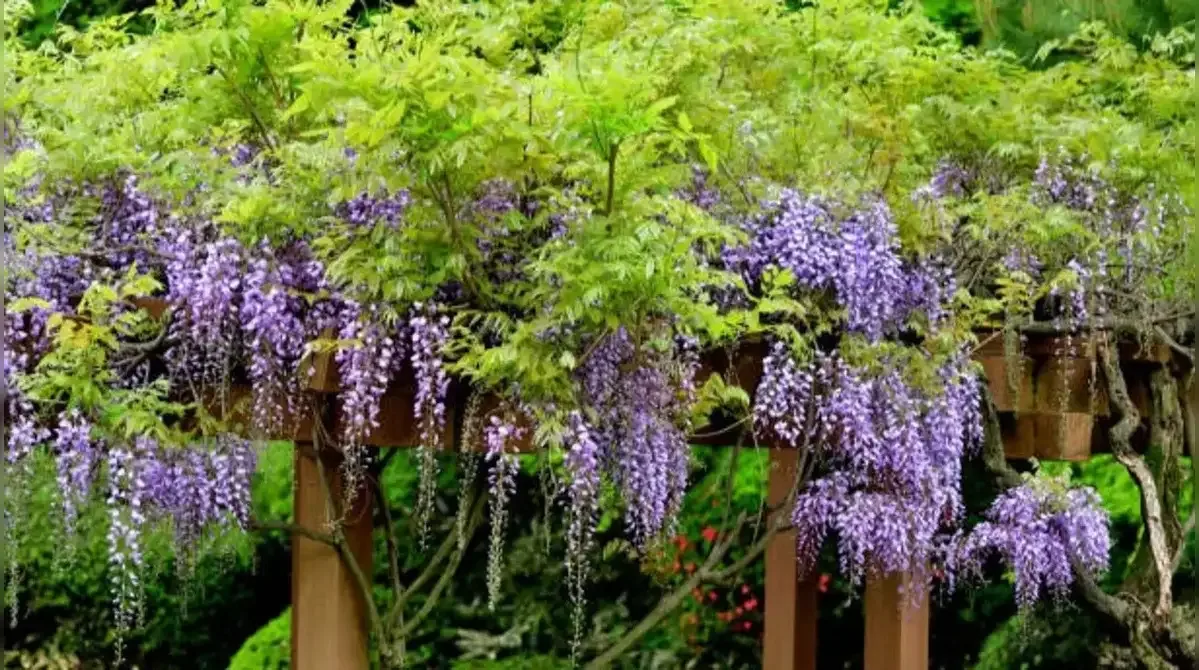
Wisteria
Wisteria vines are notorious for their aggressive, sprawling summer growth. A summer pruning session is critical to keeping the plant under control before its more severe winter trim.
Gardeners should cut back the long, whippy green shoots that emerged in spring, leaving just five or six leaves extending from the main stem. This forces the plant to develop flowering spurs, guaranteeing a spectacular floral display the following spring.
Salvias and Delphiniums
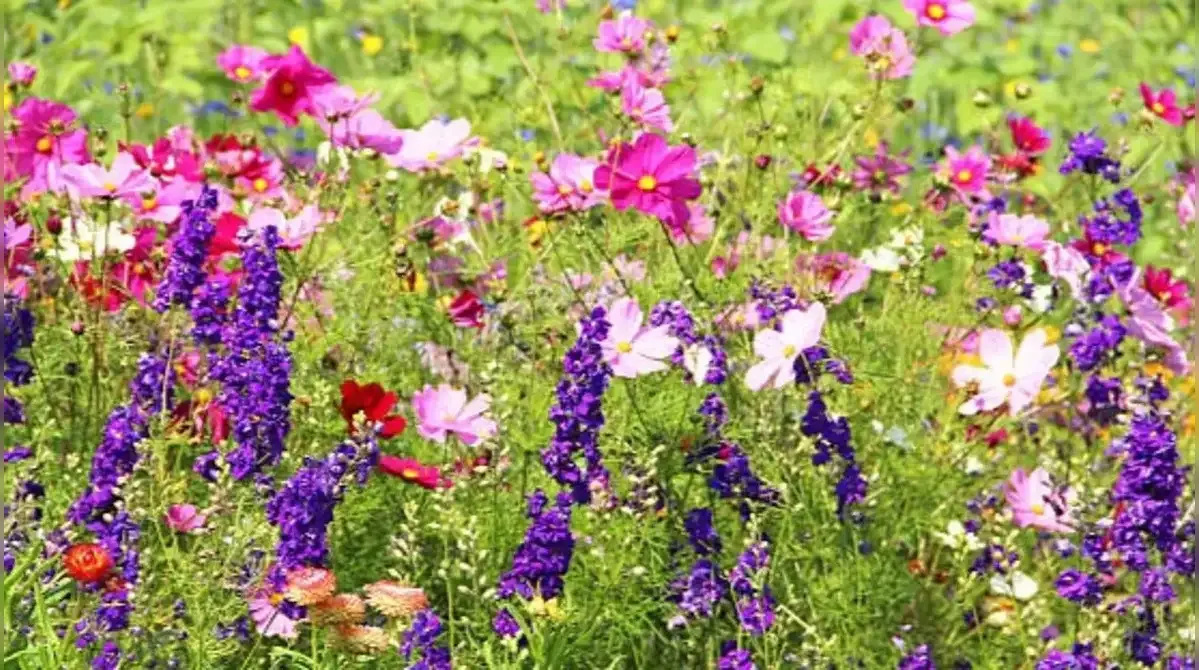
Salvias and Delphiniums
Tall, spiky perennials like salvias and delphiniums often look exhausted beneath the weight of faded flower stalks by mid-summer.
Cutting these spent stems all the way down to the base in August triggers a rapid flush of new foliage. In most cases, it results in a highly satisfying second round of blooms within just a few weeks.
Disclaimer

Disclaimer:
Pruning requirements shift dramatically based on plant variety, local climate, and regional conditions. Always consult a local horticulturist or gardening professional before undertaking major structural cuts in your garden.