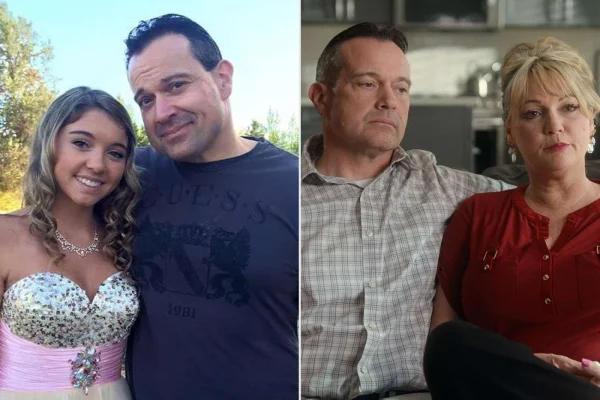
The devastating discovery of 16-year-old Jay’siiah Webb-Long in a remote Saskatchewan community has ignited urgent questions across Canada regarding missing youth, cross-provincial drug trafficking networks, and systemic law enforcement failures. Originally reported missing from his hometown of Brampton, Ontario, in March of last year, the teenager’s remains were recently identified over 2,500 kilometers away. This tragic conclusion to a year-long search has left his family devastated and exposed a severe, underlying crisis: the organized grooming and trafficking of vulnerable Black boys from the Greater Toronto Area into remote northern communities.
Jay’siiah Webb-Long disappearance: Timeline, investigations and latest updates
To understand the full scope of this tragedy, it is crucial to examine the timeline of events leading up to the grim discovery by the Saskatchewan RCMP. The case of Jay’siiah Webb-Long highlights significant gaps in how missing persons cases involving vulnerable youth are handled across different Canadian jurisdictions.
The confirmed sequence of events provides a stark look at the timeline of the investigation:
- March 2025: Jay’siiah Webb-Long officially goes missing from his home in Brampton, Ontario. During the initial months of his disappearance, his mother maintains only limited, sporadic contact with him through various social media platforms.
- March to May 2025: Advocates argue that this limited digital contact led Peel Regional Police to treat the situation with less urgency, potentially categorizing the teenager as a runaway rather than a victim in immediate danger.
- May 13, 2026: Authorities make a grim discovery. The Saskatchewan RCMP locate human remains near Pelican Narrows, an isolated northern community situated approximately 420 kilometers north of Saskatoon.
- May 21, 2026: Following forensic analysis, investigators officially identify the remains as belonging to the missing 16-year-old Brampton teenager, concluding the search but launching a complex cross-country investigation into his death.
Currently, the RCMP and local Ontario authorities are piecing together the final months of his life. The central investigative focus has shifted from a missing persons search to a comprehensive probe into how a minor was transported across multiple provincial borders without detection.
The baffling journey: From Brampton to Pelican Narrows
The geographical reality of this case is one of its most disturbing elements. Brampton is a densely populated suburban city in the Greater Toronto Area (GTA), while Pelican Narrows is a remote community belonging to the Peter Ballantyne Cree Nation in northern Saskatchewan. The distance between the two locations spans multiple provinces and thousands of kilometers of highway.
Shana McCalla, the founder of the Toronto-based advocacy group Find Ontario Missing Black Boys, has been working closely with the family. She points out the logistical impossibility of a 16-year-old orchestrating this journey independently.
“How a child gets from Brampton to Pelican Narrows is baffling. Josiah deserved a future, his family deserves answers and our community deserves an urgent response system when vulnerable youth are missing.”
Investigators and advocates strongly suspect adult facilitation. The movement of youth from urban centers in Ontario to rural or Indigenous communities in western and northern Canada matches the operational patterns of organized crime groups. These syndicates frequently exploit minors to transport and sell narcotics in remote areas where drugs command a premium price, a tactic often referred to as the county lines drug trafficking model.
The growing crisis of missing Black youth in Ontario
The death of Jay’siiah Webb-Long is not an isolated incident. It is a fatal symptom of a much broader, systemic crisis deeply affecting communities in the GTA. Since launching her organization in 2024, McCalla has tracked a deeply concerning trend of young Black boys vanishing from their familiar surroundings, only to surface months later in dangerous, drug-related environments far from home.
Recent investigative journalism, including reports from the CBC’s Fifth Estate, has corroborated these community fears. Their findings revealed that criminal networks are actively grooming teenage boys from southern Ontario. These youth are manipulated, coerced, and eventually trafficked into operating violent drug dens in northern municipalities and remote Indigenous reserves.
The grooming process typically begins in schools, local neighborhoods, or through online social networks. Recruiters prey on vulnerabilities, promising quick money, status, or a sense of belonging. Once removed from their support systems in cities like Toronto or Brampton, these teenagers are trapped in high-risk environments, completely dependent on the very criminals exploiting them.
Law enforcement response and jurisdictional hurdles
A critical factor exacerbating this crisis is the fragmented nature of Canadian law enforcement. The case of Jay’siiah Webb-Long exposes the dangerous consequences of poor inter-agency communication and outmoded protocols for handling missing minors.
When a teenager goes missing but maintains minimal online contact, municipal forces like the Peel Regional Police often classify them as chronic runaways. This classification dramatically lowers the prioritization of the case. McCalla emphasizes that when a family reports that a disappearance is completely out of character, and the child has no history in the region they are suspected to be in, it should trigger an immediate, high-priority alert.
Furthermore, jurisdictional boundaries severely hinder investigations. A missing persons file opened in Ontario may not be actively cross-referenced or pursued by the Saskatchewan RCMP unless specific intelligence links the two regions. Criminal networks purposefully exploit these blind spots, moving victims across provincial lines to evade municipal police forces whose authority and resources are geographically limited.
Next steps for advocates and Canadian authorities
In the wake of this unimaginable loss, the demand for urgent, systemic change has reached a boiling point. The family of Jay’siiah Webb-Long, alongside community advocates, is calling for immediate government intervention to protect vulnerable youth from organized crime.
Earlier this year, Find Ontario Missing Black Boys submitted a comprehensive brief to the Ontario Solicitor General. The document outlined the severity of the crisis and provided 15 actionable recommendations to overhaul how police respond to missing minority youth. Key demands include:
- Creation of a Joint Task Force: Establishing a coordinated unit combining municipal forces across the GTA, the Ontario Provincial Police (OPP), and the RCMP to track cross-provincial human trafficking and grooming networks.
- Reclassification of Missing Minors: Mandating that police immediately treat the disappearance of a minor as a potential human trafficking or exploitation case, regardless of intermittent social media activity.
- Enhanced Inter-Provincial Data Sharing: Implementing a real-time, national database for missing youth that automatically flags the movement of minors into known high-risk remote drug corridors.
- Community Support Integration: Funding community-led intervention programs in Brampton and surrounding areas to educate youth and parents about the tactics used by local grooming gangs.
While the tragic death of Jay’siiah Webb-Long cannot be undone, advocates remain resolute that his story must be the catalyst for tearing down the jurisdictional silos that allow criminal networks to operate with impunity. As the RCMP continues their investigation in Pelican Narrows, the community in Ontario waits for answers, justice, and the assurance that no other family will have to endure this devastating reality.