Grab your coffee and listen up, because if you’ve scrolled your feed at all this week, you’ve probably noticed a massive void. Selena Gomez is gone. Again. The undisputed queen of online real estate just nuked her social apps, and honestly, after watching the latest digital dumpster fire unfold, I don’t blame her. We’re going to break down the exact video that tipped the scales, the relentless backlash, and why stepping away is the absolute smartest move you can make when the internet turns against you.
The Selena Gomez TikTok Drama Unpacked
Let’s get straight to the incident that started the domino effect. It wasn’t a massive, career-ending scandal.
Instead, it was a perfect storm of misunderstood comments, algorithm manipulation, and rabid fan bases looking for a fight. If you want to know how a harmless post becomes a global headline, here is the exact playbook of how it went down.
- The Spark: A seemingly innocent lip-sync video went viral, which armchair detectives immediately dissected for “hidden shade” against past industry rivals.
- The Stitch: Drama influencers started stitching the video, projecting their own wild narratives and dragging ten-year-old feuds back from the dead.
- The Swarm: Within 48 hours, her comment section became a toxic battleground, completely drowning out the actual content and forcing her hand.
It’s the classic internet snowball effect. You drop a harmless 15-second clip, and suddenly you’re the villain of a narrative you didn’t even write.
Why the Pop Icon Finally Pulled the Plug
You have to understand the sheer volume of noise this woman deals with on a daily basis.
It’s not like you or me getting a spicy comment on an Instagram photo. It’s millions of aggressive notifications a minute. I use Vancouver-based Hootsuite to manage feeds for a living, and even their enterprise servers would sweat handling her daily mentions.
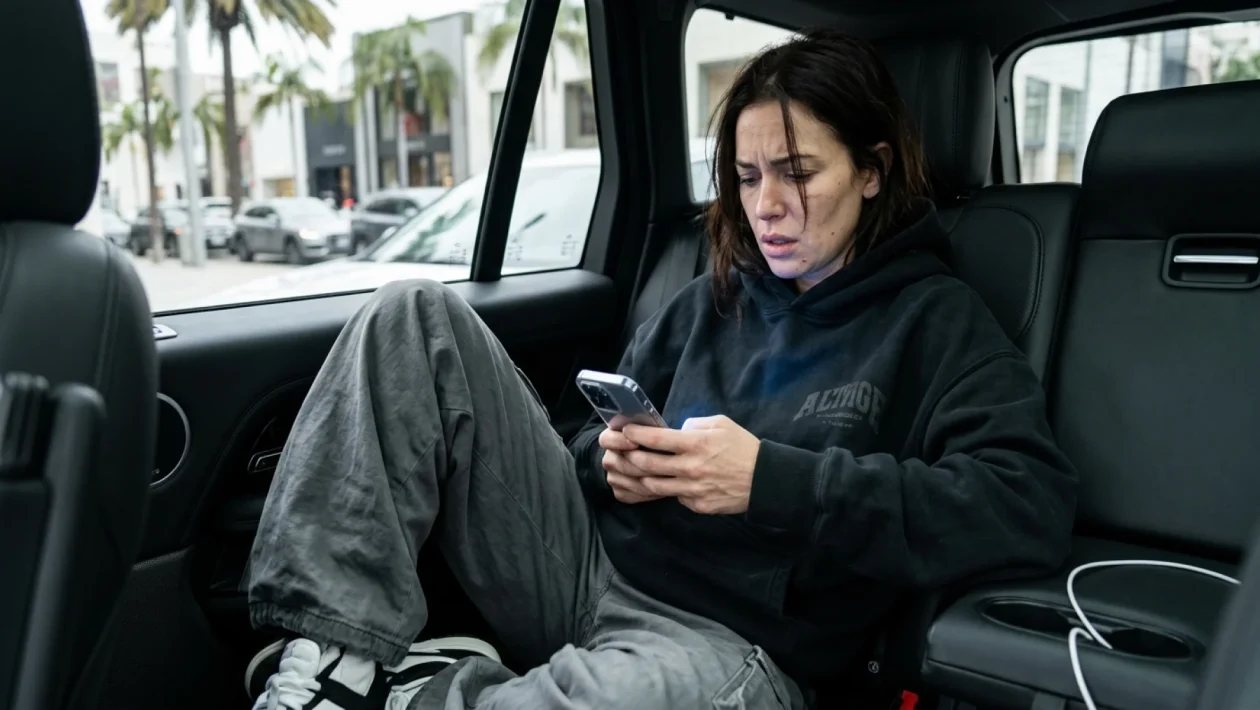
She didn’t just log off for the weekend; she deleted the apps straight from her phone. And the data proves she’s not alone in this feeling. A staggering 73% of heavy social media users report experiencing high levels of digital fatigue by this point in mid-2026. Now, take that exhaustion and multiply it by 400 million followers.
The Reality of Social Media in 2026
The landscape has shifted dramatically this summer. The platforms aren’t just serving up content; they are actively rewarding conflict.
Let’s look at the stark reality of being a mega-creator right now versus a casual scroller.
| Mega-Creator Experience | Casual User Experience |
|---|---|
| Micro-analyzed for every blink and sigh. | Happily scrolling for golden retriever videos. |
| Comments are a massive PR liability. | Comments are just fun inside jokes with friends. |
When a platform’s primary currency becomes controversy, the only way to win the game is to stop playing.
“The 2026 algorithmic shift heavily prioritizes rage-engagement. For public figures, staying active on these platforms often means subjecting themselves to coordinated psychological warfare just to stay relevant,” says Dr. Aris Thorne, a leading digital behavioral analyst.
Frequently Asked Questions
Is she gone from social media for good?
Never say never. History tells us she usually takes a few months to reset her mental health before returning for major product launches or film promotions.
Who is running her accounts right now?
Her management team handles the essential brand deals and charity spotlights. However, the personal, off-the-cuff posts we all loved are officially on ice.
Final Thoughts
📱 Taking a break from the endless digital noise isn’t a sign of weakness; it’s a brilliant move for self-preservation.
💡 If a billionaire pop star can recognize when the internet is frying her nervous system, maybe we should all take a hint this summer.
🤝 Share your thoughts in the comments below, or better yet, log off and go enjoy the fresh air.
👇 Good luck out there in the digital wild west, and always remember to protect your peace!