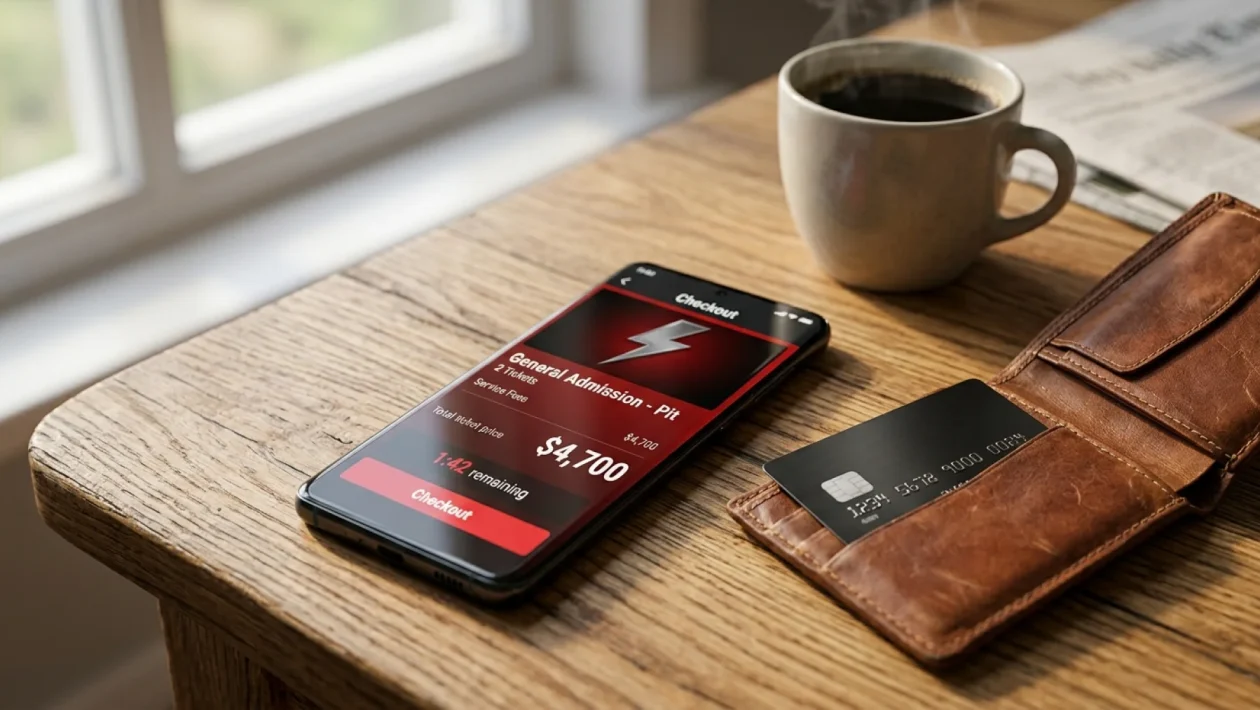
You clicked the presale link right at 10 AM, heart pounding, ready to secure your spot to see Angus Young shred. Then you saw the number on the screen: a blistering $4,700 for a single lower-bowl seat. You aren’t hallucinating, and you certainly aren’t alone. The current AC/DC ticket scandal has completely hijacked the summer of July 2026, turning a night of working-class rock into a luxury experience reserved for billionaires. But there is a very deliberate, mechanical reason why those prices skyrocketed while you were waiting in the queue, and once you understand the system, you can actually fight back without draining your savings.
The Insane Truth Fueling the Outrage
Let us get one thing straight: AC/DC is arguably the greatest hard rock band on the planet. But nobody, not even the most die-hard fan, should need to take out a second mortgage just to hear “Thunderstruck” live. The outrage erupting across the internet isn’t just about expensive tickets; it is about feeling betrayed by a system built to extract every last cent from your wallet.
When the 2026 summer tour dates were announced, folks expected premium prices. What they didn’t expect was to see face-value tickets vanish in seconds, only to reappear on the exact same platform for the price of a used Honda Civic. The truth is, the band’s management and the ticketing platforms are leveraging artificial intelligence to squeeze the market dry. According to a shocking 2025 consumer watchdog report, this exact type of automated pricing model has driven average top-tier concert ticket costs up by a staggering 240% over the last three years alone.
How a Standard Seat Morphs Into a $4700 Ransom
You are probably wondering how a ticket originally priced at $250 suddenly demands $4700. It is all thanks to a controversial industry practice called “dynamic pricing.” Platforms like Ticketmaster use real-time algorithms, similar to ride-share surge pricing, to measure the desperation of the crowd.
Here is exactly how the trap snaps shut on honest fans:
- The Artificial Bottleneck: You join a digital waiting room with 80,000 other people, creating an immediate illusion of extreme scarcity.
- The Algorithmic Spike: As soon as the software detects massive traffic, it automatically pulls standard tickets and relabels them as “Official Platinum,” jacking the price up based on real-time demand.
- The Panic Purchase: You finally get through the queue, see the $4700 price tag, and have a terrifying three-minute countdown timer forcing you to make a massive financial decision under immense pressure.
The Systemic Scandal Shortchanging Hardcore Fans
The real gut-punch of the AC/DC ticket scandal is who gets left behind. Rock music was built in the dive bars and working-class arenas. Now, venues like Toronto’s Scotiabank Arena are packed with corporate suites while the guys who bought every vinyl record are priced out of the building entirely.
Take a look at the brutal reality of what a fan is up against today compared to what they should actually be paying.
| Ticket Category | The 2026 Reality Check |
|---|---|
| Standard Face Value | $150 – $350 |
| Secondary Scalper Market | $800 – $1,500 |
| “Dynamic” Official Platinum | $2,000 – $4,700 |
It is infuriating to realize that the highest prices aren’t coming from shady guys in alleyways anymore. The calls are coming from inside the house.
“Dynamic pricing was originally sold to the public as a way to stop scalpers from profiting, but the harsh reality is that the official platforms have simply become the ultimate scalpers themselves,” says Marcus Thorne, a senior live-event pricing analyst.
Frequently Asked Questions
Is this dynamic pricing scheme actually legal?
Yes, unfortunately. In both Canada and the US, dynamic pricing is entirely legal. It operates under the premise of a free market where a product is worth whatever a consumer is willing to pay at that exact second. Until lawmakers step in with strict price-cap regulations, the algorithms will keep running.
Will ticket prices drop if I wait until the day of the show?
Usually, yes. History shows that panic-buying during the presale is the worst financial move you can make. The algorithms artificially inflate prices during peak demand. If you hold your nerve and check the secondary markets 24 to 48 hours before the gig, you will often find scalpers panic-selling at or below face value just to offload their inventory.
The Final Word
🤝 Look, I completely get it. We all want to see rock legends plug in their amps and blow the roof off the stadium before they retire for good.
💡 But throwing a month’s salary into the AC/DC ticket scandal is exactly what justifies these predatory algorithms and guarantees the prices will be even worse next year.
📱 Share your thoughts in the comments below, or pass this article to a buddy who is currently agonizing over their credit card limit.
👇 Keep your hard-earned cash safely in your wallet, stay incredibly patient, and Good luck navigating the absolute madness of this summer’s concert season!