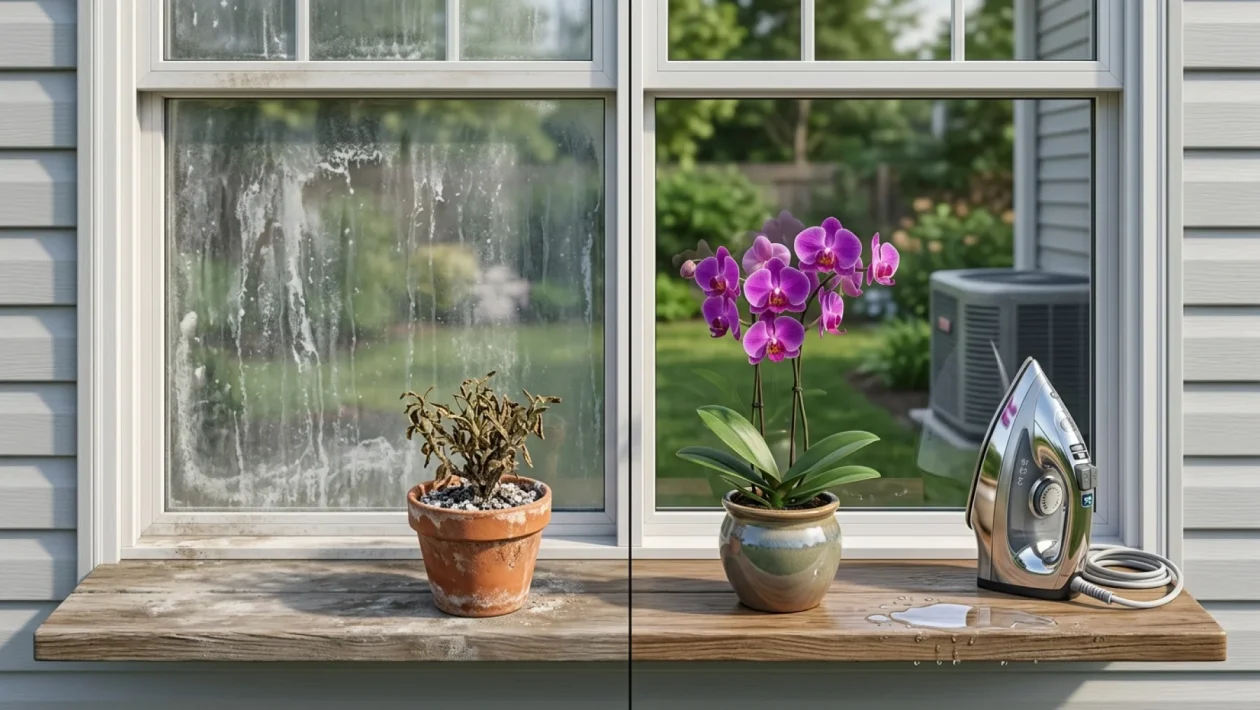
Cooling bills are brutal enough without literally pouring money down the drain. Every time your central air system cycles on, it acts as a massive dehumidifier, generating gallons of highly useful, distilled-quality liquid. The steady drip coming from the PVC pipe on your outdoor unit isn’t wastewater. It is a completely untapped resource that can hydrate your landscaping, protect your expensive appliances, and leave your windows spotless.
Stop Wasting Your AC Condensation Water
As your HVAC system pulls ambient humidity out of your indoor air, it creates heavy condensation along the evaporator coils. This liquid accumulates in a drain pan and usually dumps straight out into the dirt alongside your foundation. You are essentially throwing away free distilled water.
Because it hasn’t passed through municipal city pipes or absorbed deep groundwater minerals, it contains zero chlorine, calcium, or fluoride. According to industry data, a standard residential cooling unit running continuously can generate a staggering 10 to 20 gallons of water every 24 hours.
Water Your Garden With Soft Runoff
Your lawn and garden absolutely love this stuff. Botanists note that standard tap water is often too hard, leading to a crusty mineral buildup in potted soil over time. AC condensation water has an extremely low mineral count.
This makes it a massive win for acid-loving or soft-water plant species. Hydrangeas, orchids, and succulents will thrive when you switch up their hydration routine. Just remember that because it lacks natural earth minerals, you shouldn’t use it exclusively.
“The water pulled from your evaporator coils is surprisingly pure when it comes to heavy mineral content. It’s fantastic for landscaping, but you should still alternate with regular tap water so your plants get the essential nutrients they need to grow robust root systems.” – Sarah Jenkins, Master Electrician and HVAC Specialist.
Clean Your House With Zero Mineral Streaks
If you are tired of wiping down bathroom mirrors only to find chalky white streaks left behind, this is your ultimate fix. Hard tap water leaves behind heavy calcium deposits the second it evaporates. Condensation runoff dries completely clear.
Use it to wash your exterior windows, wipe down glass tables, or shine up shower doors. It’s also an incredible secret weapon for your laundry room routine.
Pour this mineral-free liquid straight into your steam iron or handheld clothing steamer. It will completely prevent those frustrating calcification clogs that ruin otherwise perfectly good appliances.
Harvesting This Distilled Liquid For Free
Capturing this resource doesn’t require a complicated plumbing overhaul or an expensive contractor. You likely already have everything you need sitting in the garage or a quick drive away at Home Depot. If you run a premium modern system like a Lennox central air unit, the condensate drain line is usually highly visible and easily accessible right on the side of your house.
- Locate the primary PVC drip pipe on the exterior of your home where the AC drains.
- Place a clean, heavy-duty bucket or a small rain barrel directly underneath the spout.
- Check the container daily to prevent overflow, especially during peak cooling hours.
- Transfer the collected liquid into a watering can or indoor spray bottle for immediate use.
| Approved Uses | What To Avoid |
|---|---|
| Watering indoor and outdoor ornamental plants | Never drink it! |
| Filling steam irons and room humidifiers | Giving it to domestic pets or livestock |
| Cleaning windows, glass, and mirrors | Using on edible vegetable gardens |
Frequently Asked Questions
Is it safe to drink AC condensation water?
Absolutely not. While it lacks heavy minerals, the condensation forms on dusty indoor coils and can harbor airborne bacteria, mold spores, and micro-particles. Treat it strictly as gray water for utility purposes around the house.
Can I use it to water my vegetable garden?
It is not recommended for anything you plan to ingest. Stick to using this runoff exclusively for ornamental flowers, indoor house plants, and your front lawn.
Will collecting this damage my air conditioning unit?
Not at all. You are simply catching the liquid after it has already safely exited the drain pipe. Just ensure your bucket isn’t physically blocking or submerging the actual PVC pipe opening, which could cause a backup.
🤝 Here is the bottom line: you are already paying the electrical bill to run your AC unit this summer. You might as well harvest the highly useful byproducts your system is generating anyway.
💡 Repurposing this runoff is just smart, proactive homeownership. It cuts down your municipal water usage, protects your steam appliances from early death, and gives your garden a chemical-free drink.
📱 Share your thoughts in the comments below if you have already tried this trick around your own property, or if you have found other clever uses for the runoff.
👇 Good luck with your weekend maintenance projects, and stay cool out there!