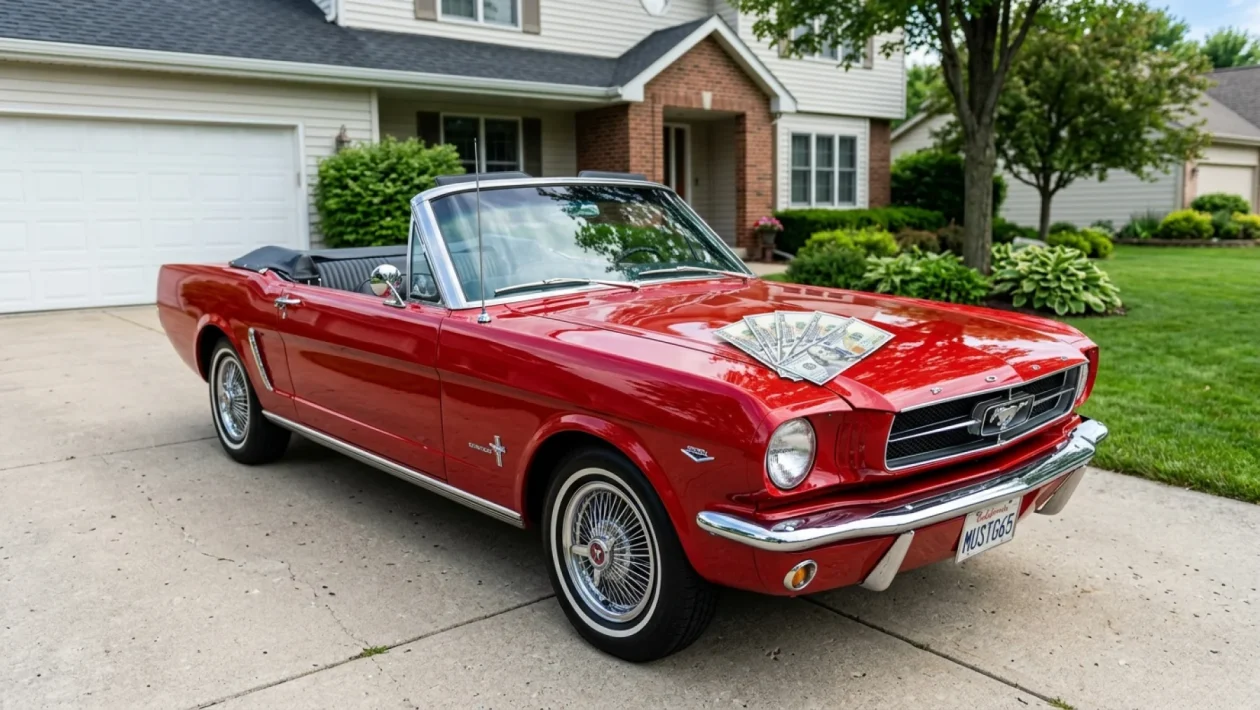
Imagine spending decades taking care of a piece of automotive history, only to have it ripped away for the price of a cheap lawnmower. That is exactly what happened to a 70-year-old man when his $45,000 1965 Ford Mustang was “legally” driven away for a measly $500. It is a gut-wrenching stolen Mustang case that exposes exactly how predatory buyers target older folks and exploit the private vehicle sale process. Today, we are unpacking exactly how this absolute nightmare unfolded and giving you the bulletproof steps to ensure your prized family possessions never fall into the hands of slick-talking scammers.
The Anatomy of a $45,000 Classic Car Heist
Let’s talk about the hardware first. A 1965 Ford Mustang in decent shape is not just an old car; it is a rolling retirement fund. These vehicles hold serious equity, making them massive targets for opportunists.
We are seeing a frightening spike in elder fraud across North America this summer of 2026. In fact, financial exploitation now costs older adults an estimated $3 billion annually, and a huge chunk of that involves hard assets like real estate and classic cars.
Two suspects allegedly rolled into the victim’s driveway, flashing a pre-filled bill of sale, and deliberately confused the 70-year-old owner. Before the dust settled, they had the keys, the title, and a high-dollar classic car for literal pennies.
How A Handshake Turned Into A $500 Robbery
You might be wondering how a $500 transaction holds up with the police. The scammers rely entirely on the messy gray area of private sales.
They create high-pressure situations, often claiming they are doing the senior a massive favor by taking a “rust bucket” off their hands. If an older gentleman is dealing with a bit of cognitive decline or just simple trusting goodwill, a fast talker can easily push a signature onto a piece of paper.
Once the ink dries, the thieves immediately try to flip the car on platforms like Kijiji Autos or Facebook Marketplace. They want the cash in hand before the victim’s family even realizes the garage is empty.
The Arrests: Catching The Predatory Buyers
Thankfully, this stolen Mustang story actually has a twist of justice. Sharp-eyed family members stepped in, realized the math was violently wrong, and immediately got law enforcement involved.
The police did not just shrug this off as a civil dispute over a bad deal. They recognized the coercion and arrested the two suspects for fraud and exploitation.
It is a massive win for the good guys, but it highlights exactly why we need to be fiercely protective of our aging parents’ assets.
Bulletproof Your Garage: Stop Scammers Cold
As an experienced gearhead who has bought and sold countless trucks and classics over the years, I have seen every dirty trick in the book. You simply cannot rely on a firm handshake and a good feeling anymore.
If you or an older relative are sitting on valuable machinery, you need a rigid system. Here is exactly how you lock down a private vehicle sale so nobody gets taken for a ride.
- Get a professional appraisal: Before even thinking about listing the car, call in the pros. A certified valuation from a trusted Canadian company like Hagerty Insurance establishes an undisputed, documented baseline price.
- Never sign a rushed bill of sale: If the buyer brings their own paperwork and aggressively rushes you to sign on the hood of the car, walk away immediately.
- Involve a trusted wingman: Never let an older relative sell a high-value item alone. Always have a younger family member or a sharp, skeptical friend present during the negotiation.
- Demand certified funds: Avoid fat stacks of cash for large sales. Demand a certified bank draft and verify it physically at the issuing bank before handing over the keys and title.
“Scammers prey entirely on isolation and politeness. The moment a transaction feels rushed or too good to be true, you aren’t dealing with a car enthusiast—you’re dealing with a predator. Always halt the sale and verify.”
To help you spot a rat, I’ve broken down the telltale signs of who you are dealing with when selling a classic.
| Legitimate Car Buyer | Predatory Scammer |
|---|---|
| Wants to inspect the engine and undercarriage carefully. | Rushes the inspection and focuses purely on getting a signature. |
| Negotiates reasonably based on current market values. | Offers insultingly low amounts, claiming they are “doing you a favor.” |
| Happy to wait while you verify their bank draft. | Creates a false sense of urgency or threatens to walk away if you delay. |
Frequently Asked Questions
Can a signed bill of sale be reversed?
Yes, but it is an uphill battle. If you can prove fraud, coercion, or that the seller lacked the mental capacity to understand the transaction, the law is on your side. However, it requires immediate police and legal intervention.
Does insurance cover cars stolen via fraud?
It heavily depends on your specific policy. Standard theft is covered, but “voluntary parting”—where you willingly hand over the keys and title due to a scam—is often excluded unless you have specialized classic car coverage.
How can I protect an elderly parent’s assets?
Set up Power of Attorney for financial matters if appropriate, and keep a regular inventory of their high-value items. Make sure they know to call you before signing any legal documents or selling property.
💡 Protecting our elders is not just about installing grab bars in the bathroom; it is about watching their driveway and their bank accounts, too.
🤝 Share your thoughts and talk to your parents this weekend about their assets. It is a tough conversation, but it is way better than calling the cops to track down a stolen piece of family history.
📱 Stay vigilant out there, folks. If you see a shady deal going down in your neighborhood with an elderly neighbor, do not be afraid to walk over and ask a few pointed questions.
👇 Good luck, keep your garage locked, and keep your wits sharp!