The Department of Justice just threw a massive wrench into the Ivy League machine.
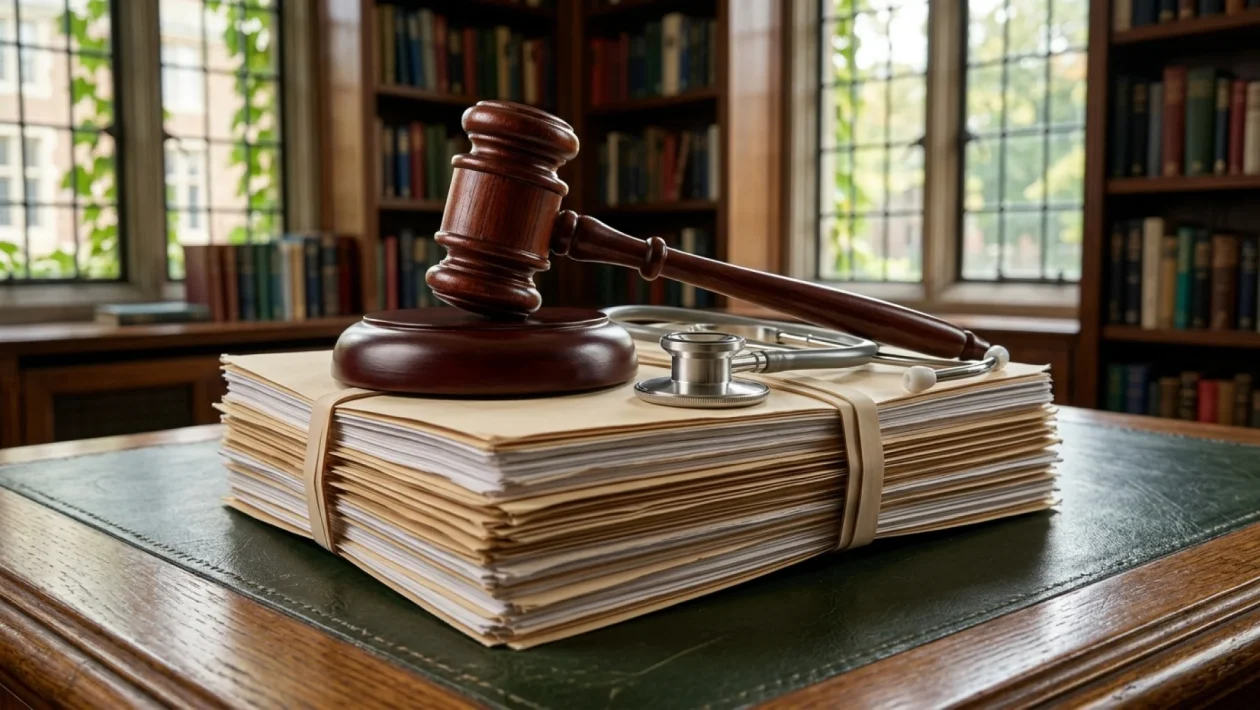
If you thought the Varsity Blues drama was the grand finale of college admissions corruption, brace yourself for the summer of 2026. Federal investigators are actively zeroing in on Yale Medical and Law Schools, probing whether their highly secretive admissions processes cross federal legal lines.
We are going to break down exactly what the feds are hunting for, why graduate programs are now in the crosshairs, and how this could permanently change the way elite institutions pick their winners.
The Yale DOJ Investigation: What Triggered the Federal Probe?
You do not launch a federal investigation against one of the oldest universities in America without serious ammunition.
The Yale DOJ Investigation stems from mounting whistleblower complaints regarding backdoor admissions policies. It turns out, getting into elite grad schools is not always just about having a stellar test score or a flawless undergraduate transcript.
Investigators are looking into anti-trust violations. Specifically, they want to know if Yale coordinated with other top-tier institutions to limit financial aid leverage and protect wealthy legacy applicants.
“When the DOJ gets involved at the graduate level, they aren’t just looking at rogue coaches or wealthy parents. They are targeting systemic, institutionalized gatekeeping,” says Marcus Thorne, a former federal prosecutor and higher education legal analyst.
Unpacking the 2026 Ivy League Ripple Effect
This is not just a Yale problem. The entire Ivy League network is currently sweating bullets as federal agents start demanding internal documents.
Even top Canadian institutions with highly competitive graduate programs—like the University of Toronto and McGill—are keeping a very close eye on this case. When American academic giants get investigated, the global standard for admissions transparency shifts.
Major test prep brands like Kaplan and the LSAC (Law School Admission Council) are already fielding panicked calls from applicants. Everyone is wondering if the rules of the game are about to change mid-cycle.
Here is a wild statistic to put things into perspective: Yale Law’s acceptance rate sits at a razor-thin 5.6%, yet internal leaks suggest nearly 20% of those accepted historically had significant institutional or donor ties.
Behind the Medical and Law School Admissions Scandal
Why is the DOJ focusing specifically on medicine and law this time around?
Because these graduate degrees are the ultimate golden tickets in North America. Controlling who becomes a top-tier corporate lawyer or a specialized surgeon dictates wealth, policy, and power for generations.
Here is how a typical federal probe into a massive university unfolds:
- Subpoenaing the Paper Trail: Investigators demand years of internal emails, admissions rubrics, and donor financial logs.
- Interviewing the Gatekeepers: The DOJ sits down with former and current admissions officers to find inconsistencies in how candidates were actually ranked.
- Analyzing the Financials: Forensic accountants track the money flow between massive university endowments, applicant families, and final acceptances.
- Issuing Findings: The government releases a public report outlining any illegal collusion, price-fixing, or civil rights violations.
What the Feds Are Actually Looking For
Not everything an elite university does is illegal. But the line between “institutional preference” and a “federal violation” is dangerously thin.
Here is a quick breakdown of what the DOJ is scrutinizing versus what remains completely standard practice:
| Under DOJ Scrutiny | Standard & Legal (For Now) |
|---|---|
| Colluding with competitors to fix financial aid | Need-blind admissions policies |
| Quid-pro-quo donor acceptances | Standard legacy preference |
| Hidden demographic quotas | Holistic application reviews |
If the feds can prove illegal financial kickbacks or backroom collusion, the financial penalties will be historic.
Frequently Asked Questions
Will this affect my 2026 or 2027 application?
Probably not directly. Admissions cycles move slowly, and legal battles move even slower. However, expect admissions offices to be incredibly strictly by-the-book this year to avoid any extra federal scrutiny.
Is Yale the only school being investigated?
Right now, Yale Medical and Law are the public focal points of this specific probe. But usually, where there is smoke in the Ivy League, there is a fire spreading to places like Harvard, Columbia, and Stanford.
Could Yale actually lose its accreditation over this?
No. The ultimate goal of the Department of Justice is to force compliance, level the playing field, and levy massive fines. They are not trying to shut down a centuries-old institution entirely.
🤝 Good luck to anyone currently navigating the chaotic, high-stress world of graduate admissions. It is a tough landscape, but federal investigations like this often lead to a much fairer playing field for the average applicant.
💡 The bottom line is that the era of unquestioned Ivy League secrecy is coming to a close. Real accountability is finally knocking on the doors of the most exclusive educational clubs in America.
📱 If you found this breakdown helpful and easy to understand, please share your thoughts with a fellow student, parent, or colleague.
👇 Drop a comment below or forward this article to someone studying for the LSAT or MCAT right now—they definitely need to know what they are walking into this summer!