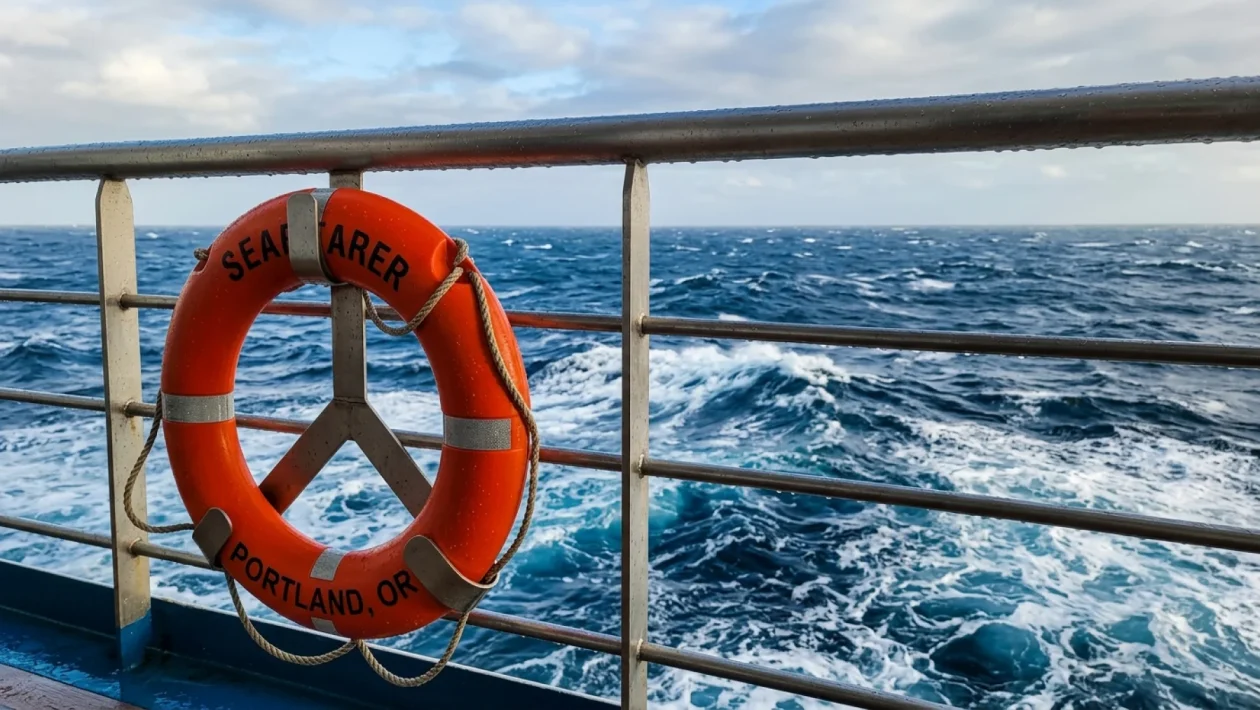
The emergency tones chime over the ship’s PA system, followed by the three most terrifying words in maritime operations: “Oscar, Oscar, Oscar.”
That is naval code for a man overboard. When a worker vanishes from a massive floating city—like a recent, high-profile incident involving a vessel out of Fort Lauderdale searching the Mexican coast—the clock does not just start ticking. It goes into hyperdrive.
Forget the relaxing summer 2026 vacation vibe for a minute. We are diving into the adrenaline-fueled, high-stakes protocol of Cruise Ship Disappearances and showing you exactly what happens when the ocean claims one of its own.
Cruise Ship Disappearances: When The Unthinkable Happens
It is incredibly hard to fathom how someone just disappears off a 1,200-foot leviathan. But out in the open water, the elements play for keeps.
Despite the high rails and endless surveillance cameras, these terrifying incidents still happen. A chilling maritime industry statistic shows that between 2000 and early 2026, over 400 people have gone overboard on commercial cruise lines.
The worse part? The rescue success rate hovers at a grim 28 percent.
While major operators like Royal Caribbean and Princess Cruises have invested millions in cutting-edge perimeter sensors, finding a human being in the ocean is like finding a needle in a massive, churning, pitch-black haystack.
The Gritty Reality Behind Missing Crew Members
Crew members work grueling hours, often in areas completely restricted to passengers. When a worker goes missing, it is rarely caught on camera right away.
A deckhand doing heavy maintenance at 2 AM on a slippery lower deck does not have a crowd of tourists around to sound the alarm.
Let us look at the reality of the technology meant to keep these sailors safe versus the brutal environment they work in daily.
| Safety Technology | The Ocean’s Harsh Reality |
|---|---|
| Thermal Man-Overboard Cameras | Heavy sea spray and dense fog can easily block the heat signature of a falling body. |
| RFID Keycard Tracking | Only shows the last door opened, not where the crew member actually went afterward. |
| Immediate GPS Pinning | Ocean currents can drag a person miles away from the initial drop point in under an hour. |
Activating High-Stakes Ocean Rescues
The moment a crew member is confirmed missing, the cruise ship instantly transforms from a luxury resort into a tactical search-and-rescue command center.
“The ocean is incredibly dynamic. If you drop a pin where someone fell, the current can drag them miles away in less than an hour. It is never just about searching where they fell; it is about doing complex math on where the water took them.” – Cpt. David Mercer, Veteran Maritime Security Consultant.
When someone slips into the dark water, an elite protocol takes over. Here is exactly how a rescue operation unfolds the second the captain is notified.
- The Williamson Turn: The captain executes a specific, aggressive maneuver to turn the massive ship around and bring it exactly back to the GPS coordinates of the suspected incident.
- Asset Deployment: The ship launches its own fast-rescue boats to scour the immediate perimeter.
- Mayday Broadcast: The Coast Guard is hailed, and a broadcast is sent to all nearby commercial ships to divert their routes and join the search grid.
- Air Support: Coast Guard helicopters and fixed-wing aircraft are dispatched to run thermal scans over miles of open ocean.
Frequently Asked Questions About Maritime Rescues
Do cruise ships have to stop the trip to search?
Absolutely. By international maritime law, a vessel must immediately halt its course and assist in the search. Passenger itineraries are entirely secondary to a life-saving mission.
How long does the Coast Guard keep searching?
It depends heavily on the water temperature, the sea state, and the missing person’s physical profile. In warm Caribbean waters, searches can last for several days before being suspended.
Are passengers confined to their cabins during a search?
Not always confined to cabins, but passengers are usually asked to clear the outer decks. This prevents confusion and allows the crew an unobstructed view of the water.
🤝 The ocean is beautiful, but it demands absolute respect. Whether you are a first-time passenger or a seasoned sailor, understanding these massive ships’ safety protocols completely changes how you look at the deep blue.
💡 I always tell folks: stay well behind the rails, actually pay attention to the safety briefs, and appreciate the hardworking folks below decks making your summer getaway possible.
📱 Share your thoughts in the comments below. Have you ever been on a cruise when an emergency protocol was suddenly activated?
👇 Safe travels out there, keep an eye on your crew, and I will see you on the next deep dive!