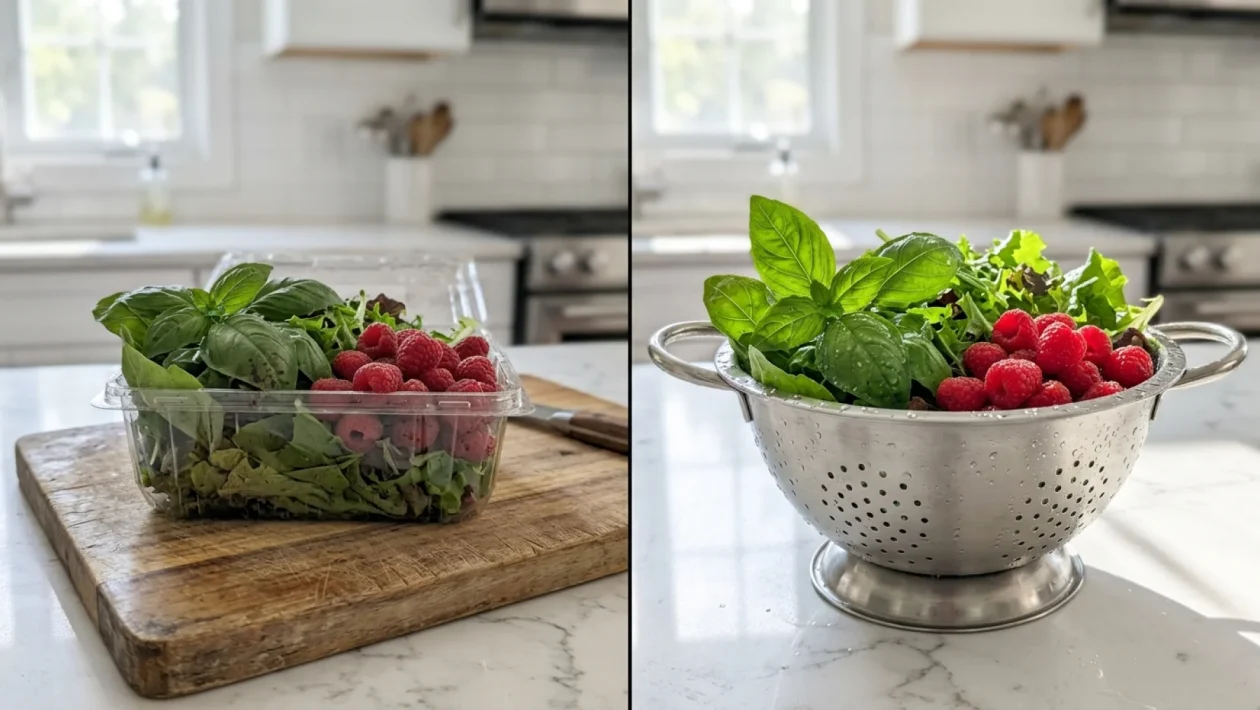
Your favorite summer salad might be a ticking time bomb right now. A nasty Cyclospora outbreak is tearing through several US states, turning innocent backyard barbecues into weeks of severe stomach misery.
But do not start throwing out your entire grocery haul just yet. I have been tracking food safety patterns for years, and panic never solved anything.
I am going to show you exactly where this outbreak is hitting, how this sneaky parasite operates, and a bulletproof method to handle your fresh produce so you can eat without looking over your shoulder.
Cyclospora Outbreak Strikes US States
As we roll deep into July 2026, public health officials are sounding the alarm across the continent. The FDA and the CDC are tracking a massive spike in gastrointestinal illnesses.
Here is the hard truth: we are already looking at over 450 confirmed cases across 14 different states in just the last three weeks. And because the North American food supply chain is tightly woven, Canadian authorities are also on high alert.
This is not an isolated incident. The outbreak has been linked to imported fresh produce traveling through massive distribution hubs.
In fact, major commercial suppliers that stock the shelves of grocery giants like Costco and Loblaws are actively reviewing their sourcing to ensure contaminated batches do not slip through the cracks.
The Hidden Produce Danger
So, what exactly are we dealing with? Cyclospora cayetanensis is a microscopic parasite that you cannot see, smell, or taste. It hitchhikes on fresh produce and causes cyclosporiasis—a severe intestinal infection.
Unlike standard food poisoning that hits you in a few hours, Cyclospora plays the long game. It has an incubation period of about a week, meaning you will likely forget what you even ate by the time the brutal cramps and fatigue set in.
The real danger lies in the types of foods it targets. Because it thrives in soil and water in tropical regions, it usually contaminates items we eat completely raw.
| High-Risk Produce | Low-Risk Produce |
|---|---|
| Fresh basil, cilantro, and mint | Thick-skinned fruits (bananas, melons) |
| Raspberries and blackberries | Root vegetables (carrots, potatoes) |
| Pre-packaged salad mixes | Anything thoroughly cooked |
It is crucial to stay updated on active recalls. As one leading food safety inspector recently told me off the record:
“People treat a quick cold-water rinse like a magic shield. The reality is, Cyclospora is sticky. If a batch of basil is heavily contaminated, you can’t just lightly mist it and expect to be safe.”
How to Handle Greens Safely
Since we know a gentle splash of water will not cut it during a Cyclospora outbreak, we need to upgrade our kitchen protocol. Standard chemical washes rarely kill this specific parasite.
Your best defense is aggressive mechanical friction and smart prep habits. Here is exactly how I process high-risk greens in my own kitchen:
- The Soap and Water Setup: Before you even touch the food, scrub your hands, cutting boards, and utensils with hot, soapy water. Cross-contamination is a massive driver of these infections.
- The Agitation Soak: Fill a clean bowl with cold water. Submerge your leafy greens or herbs completely and swish them around vigorously for at least two minutes. This helps dislodge the sticky parasite oocysts from the leaves.
- The Friction Rinse: Remove the greens from the bowl (do not just dump the water, or you will pour the parasites right back onto the food). Rinse each leaf individually under high-pressure running water, rubbing the surface with your fingers.
- The Dry and Store: Pat the produce completely dry with clean paper towels. Storing wet greens in the fridge breeds bacteria and gives any surviving pathogens a place to thrive.
Frequently Asked Questions
What are the exact symptoms of a Cyclospora infection?
The hallmark symptom is severe, watery diarrhea that can last for weeks if left untreated. This is usually accompanied by intense stomach cramps, bloating, low-grade fever, and profound fatigue.
Can I pass Cyclospora to my family members?
No, direct person-to-person transmission is incredibly rare. The parasite requires days to weeks outside of a host (in soil or water) to become infectious. You have to consume it directly from a contaminated source.
Does cooking kill the Cyclospora parasite?
Absolutely. If you are worried about the current Cyclospora outbreak, cooking your vegetables and herbs thoroughly will completely destroy the parasite. When in doubt, toss those greens into a stir-fry or soup.
🤝 Staying ahead of food recalls doesn’t have to be a source of stress. It is simply about being a smart, proactive consumer.
💡 By understanding how this parasite operates and using a little elbow grease at the kitchen sink, you can keep your family safe all summer long.
📱 If you found this breakdown helpful, share your thoughts or send this to a friend who lives on summer salads.
👇 Good luck out there, stay vigilant at the grocery store, and keep those grills fired up!