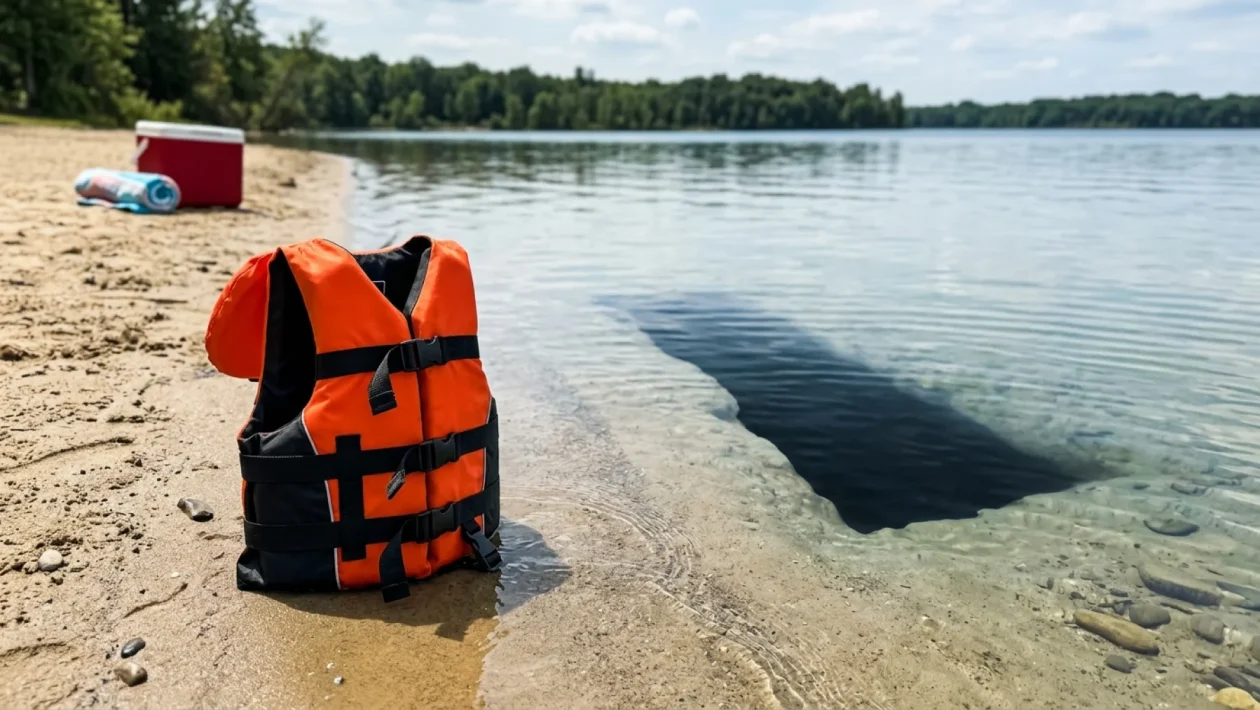
Let’s cut right to the chase. An Ohio beach drowning isn’t just a tragic news ticker you scroll past while sipping your morning coffee—it is a brutal reminder of how incredibly fast a family getaway can turn into a nightmare. We all want to pack the cooler, hit the sand, and let the kids burn off that relentless summer energy. But if you rely entirely on luck or a distant lifeguard to keep your crew safe, you are setting yourself up for disaster.
The water at our inland lakes and Great Lakes shores is remarkably unpredictable right now. Today, I am going to walk you through a foolproof, boots-on-the-ground system to read the water, gear up like a pro, and ensure every single person in your group goes home dry and happy.
Ohio beach drowning incidents: The reality of the risk
It is incredibly easy to look at a calm lake and assume it is essentially a giant swimming pool. That is the exact mindset that gets people in deep trouble. Below that glassy surface, you are dealing with sudden drop-offs, shifting sandbars, and unpredictable undertows.
Here is a sobering reality check for you. According to the Great Lakes Surf Rescue Project, there have been over 1,300 drownings in the Great Lakes basin since 2010, and our inland state park reservoirs share those exact same hidden structural dangers. A sudden structural drop-off can take a wading child from knee-deep water to fully submerged in a single step.
When an Ohio beach drowning occurs, it rarely looks like it does in the movies. There is no loud splashing or screaming for help. It is almost always silent, fast, and devastatingly easy to miss if you don’t know exactly what to look for.
Why July 2026 demands heightened awareness
We are sitting in the absolute pressure cooker of July 2026, and the state parks from Alum Creek to Headlands Beach are seeing record-breaking foot traffic. Everyone is trying to escape the blistering heat. More people in the water means divided attention and a chaotic environment.
Furthermore, recent weather patterns this summer have heavily altered the shoreline structures. Heavy spring rains shifted massive amounts of sediment, creating entirely new underwater trenches that simply were not there last season. That favorite shallow wading spot your family loved in 2025? It might be a steep drop-off today.
You have to treat every single beach visit this month as if you are navigating completely uncharted territory. Trusting your memory of a beach layout is a massive gamble.
A new water safety approach: Surviving the surf
Hope is not a strategy, especially when it comes to your family. We need to implement a totally new, proactive approach to beach days. It starts with proper equipment and ends with relentless vigilance.
When I take my own family out, I completely bypass the cheap inflatable armbands. I always outfit my kids in properly rated gear from Mustang Survival or Salus Marine. These Canadian-designed brands offer bulletproof flotation technology that genuinely keeps the airway above water, unlike novelty pool toys.
Here is my non-negotiable protocol for securing your campsite’s beachfront:
- Appoint a Water Watcher: Assign one adult to actively watch the water for 15-minute intervals. No cell phones, no reading, no chatting. When their shift is up, physically hand off a “Water Watcher” lanyard to the next adult.
- Probe the Perimeter: Before the kids get in, put on your trunks and walk the swimming area yourself. Feel for sudden drop-offs with your feet and establish a hard physical boundary for the kids.
- Ditch the Inflatables: Ban all pool noodles and inflatable rafts in open water. If the wind picks up, these toys act like sails, pulling weak swimmers directly into deep water.
- Learn the “Drowning Silhouette”: Train yourself to look for a tilted head, wide eyes, and arms pressing down laterally against the water. If someone looks like they are climbing an invisible ladder, they are drowning.
To make this even easier to digest, I put together a quick breakdown of what you should be scanning for when you hit the sand.
| Safe Water Indicators | Immediate Danger Zones |
|---|---|
| Gradual, visible sandy slope | Dark patches of water (indicates deep holes) |
| Water pushing evenly toward shore | Water pulling sideways or outward |
| Designated, buoy-marked swim areas | Areas near piers, breakwalls, or boat ramps |
I spoke with a seasoned marine rescue operator recently, and his perspective completely changed how I look at beach days.
“The biggest mistake parents make is trusting the crowd. They see fifty people in the water and assume safety in numbers. The truth is, the crowd acts as camouflage. You are your child’s only real lifeguard, no matter who is sitting in the tall white chair.”
Frequently Asked Questions
Are Ohio state park beaches fully guarded in July 2026?
Do not bank on it. While major parks attempt to staff lifeguards during peak summer weekends, widespread staffing shortages mean many beaches operate under “Swim at Your Own Risk” policies. Always assume you are the primary lifeguard.
What is a structural drop-off, and why is it dangerous?
A structural drop-off is an underwater ledge where the lake floor suddenly plummets. They are incredibly dangerous because a wader can lose their footing instantly, panic, and inhale water before they can swim back to the shallow shelf.
How effective are pool noodles for open water?
They are completely useless for safety. Pool noodles are novelty toys designed for controlled, flat water. In a state park lake, a slight breeze will push a child holding a noodle far beyond their swimming ability in mere minutes.
🤝 Good luck out there this summer, folks. The water is one of the greatest joys of the season, but it demands our absolute respect.
💡 Remember, safety doesn’t happen by accident. It happens because you put in the work, bought the right gear, and stayed aggressively alert when everyone else was zoning out.
📱 If you found this breakdown helpful, please pass it along to your camping buddies or family members before your next trip.
👇 I want to hear from you—share your thoughts on your own water safety protocols in the comments below, and let’s keep each other safe on the shorelines!