Navarone Garibaldi thought he could conquer the North American pizza delivery market on name recognition alone, but the oven has officially gone cold. The recent fallout surrounding his highly publicized ghost kitchen network isn’t just a tabloid headline—it is a brutal masterclass in how fast a food venture can collapse when operations fail to match the marketing hype. If you are ordering takeout this summer, you have likely noticed the sudden disappearance of his brand from your favorite delivery apps. Today, we are rolling up our sleeves and tearing down exactly what went wrong behind the scenes.
Running a commercial kitchen is a lot like framing a house. If your foundation is cracked, it does not matter how fancy the paint job looks. We are going to deconstruct this high-profile mess so you can see exactly why the whole structure came tumbling down.
The Navarone Garibaldi Pizza Controversy Explained
To understand the Navarone Garibaldi pizza controversy, you have to look at how the food was actually being made. The Presley heir did not open traditional brick-and-mortar restaurants with dedicated staff. Instead, his management team licensed his name and recipes to existing, independent kitchens.
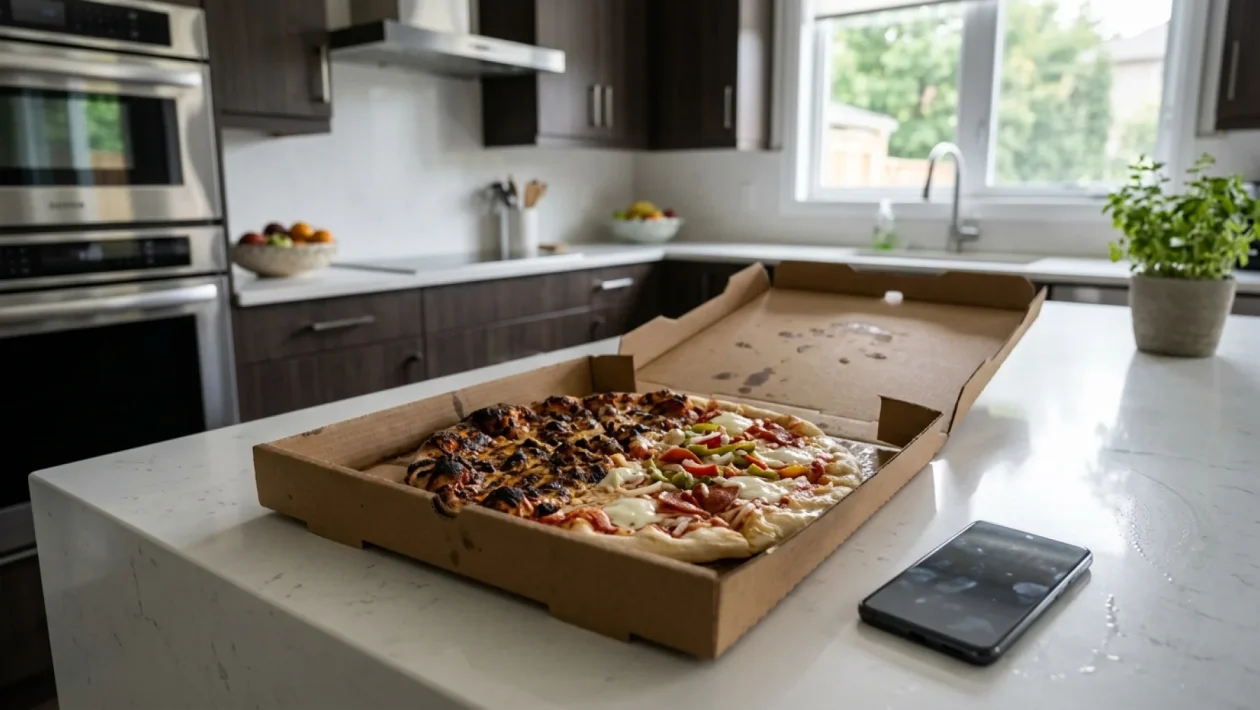
The controversy ignited when customers started receiving wildly inconsistent pies. In some cities, the pizza arrived burnt and hours late, while in others, it was undercooked and missing key ingredients. Social media quickly filled with unboxing videos that showcased a complete lack of quality control across the brand.
Franchisees and independent kitchen operators soon fired back. They claimed they were hit with massive hidden fees for the branded packaging and were given zero training on the proprietary recipes. It became a classic finger-pointing match between a celebrity licensing team and the blue-collar cooks actually sweating over the ovens.
Inside The Celebrity Ghost Kitchen Concept
Ghost kitchens seemed like the ultimate business hack a few years ago. The concept relies entirely on delivery apps, completely eliminating the need for dining rooms or waitstaff. You simply cook the food in an industrial space and hand it off to a driver.
The problem is that established Canadian staples like Boston Pizza or Pizza Pizza have spent decades perfecting their supply chains. They know exactly how a pepperoni slice will hold up in a cardboard box during a thirty-minute drive. Garibaldi’s team attempted to shortcut this process by relying on gig-economy drivers from platforms like SkipTheDishes to bridge the gap.
The numbers behind this business model are unforgiving. According to a mid-2025 North American Restaurant Association report, a staggering 72% of celebrity-backed ghost kitchens fail within 18 months. When you remove direct oversight from the prep line, food safety and brand consistency vanish almost overnight.
Why It Ultimately Crashed
You can only coast on a famous family name for so long before the public demands a decent meal. The crash of this pizza empire was not caused by a single fatal flaw, but rather a perfect storm of logistical nightmares. The disconnect between corporate promises and kitchen-level execution was simply too wide to bridge.
| Corporate Promise | Kitchen Reality |
|---|---|
| Premium, artisanal ingredients shipped fresh weekly. | Local kitchens substituted cheap, frozen alternatives to save money. |
| Standardized 20-minute delivery times. | Orders sat under heat lamps waiting for available app drivers. |
By the time July 2026 rolled around, consumer trust had plummeted. Vendors began pulling the plug, refusing to accept new orders under the Garibaldi banner to protect their own local reputations.
“You cannot eat a famous last name. If the dough is soggy and the cheese is rubbery, the customer is never coming back, no matter whose face is on the box,” says Toronto-based culinary consultant and veteran restaurateur Marcus Reid.
The Step-by-Step Fallout
Watching a massive culinary venture unravel is sobering. Here is exactly how the collapse played out on the ground level:
- The Initial Rollout: Hundreds of digital storefronts appeared overnight on major delivery apps, generating a massive initial surge of curiosity orders.
- The Quality Crisis: Within three weeks, app ratings tanked. Customers uploaded photos of raw dough, leading to an onslaught of refund requests.
- The Vendor Revolt: Independent kitchen owners realized the required royalty splits were eating their entire profit margin. They quietly stopped turning on their tablets.
- The Pullout: The corporate management team officially suspended North American operations, leaving local cooks with thousands of dollars in useless branded inventory.
Frequently Asked Questions
What exactly was the Navarone Garibaldi pizza brand trying to sell?
The brand focused on high-end, West Coast-style artisan pizzas. They heavily marketed organic ingredients and unique flavor profiles that were supposed to elevate the standard delivery experience.
Are the local kitchens responsible for the refunds?
This is currently the biggest legal headache. Because the orders were processed through third-party delivery apps under a corporate umbrella, local operators are fighting to prove they should not bear the financial brunt of the corporate refunds.
Will the brand ever return to delivery apps?
Industry insiders highly doubt it. Rebuilding consumer trust in the food delivery sector is incredibly expensive, and most ghost kitchen brands simply rebrand under a new name rather than fighting to save a damaged one.
🤝 The restaurant business is brutal, and it does not care who your parents are or how many followers you have.
💡 If you are thinking of launching any kind of service business this year, let this be your ultimate cautionary tale. Ground-level operations will always trump top-tier marketing.
📱 Share your thoughts in the comments below, or forward this breakdown to that buddy of yours who keeps talking about opening a food truck.
👇 Good luck out there, keep your tools sharp, and always ensure your product is fully baked before you serve it to the public!