You woke up this morning to flashing news alerts and a sudden jump at the local fuel pumps. US strikes Iran are dominating every screen right now, and if you are wondering how a conflict halfway across the globe impacts your driveway, you are not alone. As we hit the peak of our July 2026 summer driving season, this geopolitical earthquake is threatening to hit us right where it hurts the most. We are going to cut through the political spin and break down exactly what this action means for your wallet, your road trips, and our economy.
The real story behind the US strikes Iran operations
Geopolitics can look like a complicated mess of suits and press conferences, but the underlying mechanics are surprisingly simple. The recent US strikes Iran operations were not a spontaneous decision, but a boiling point. Years of proxy friction finally spilled over into direct confrontation.
Here is a staggering reality check: roughly 20.5% of the world’s total oil supply passes directly through the Strait of Hormuz. When missiles fly near that critical shipping lane, global commodity traders hit the panic button before the smoke even clears.
This isn’t just a distant political issue. It is a logistical nightmare that directly disrupts the global supply chain, forcing North American energy sectors to scramble to secure their own reserves.
Decoding the military escalation phase by phase
To understand where we are going, we need to look at exactly how this played out. This wasn’t a random skirmish; it was a highly calculated series of moves.
Here is how the situation broke down on the ground:
- The Catalyst: Disruptions to commercial shipping and unverified drone activity pushed regional tensions past the breaking point.
- The Warning: Diplomatic channels were exhausted as allied naval forces stepped up their defensive postures in the Gulf.
- The Direct Action: Precision military assets were deployed to neutralize strategic radar and launch facilities, officially shifting the conflict from proxy to direct.
- The Market Shock: Within minutes of the news breaking, crude oil futures spiked, causing a ripple effect across all major global stock indices.
Every step of this ladder makes investors more nervous. And nervous investors always mean higher prices for the everyday consumer.
“When military force directly engages sovereign assets in a high-production energy region, the global market doesn’t wait for the dust to settle. It prices in the worst-case scenario immediately.” – David Rosenberg, leading North American economic analyst.
What this means for North American gas prices
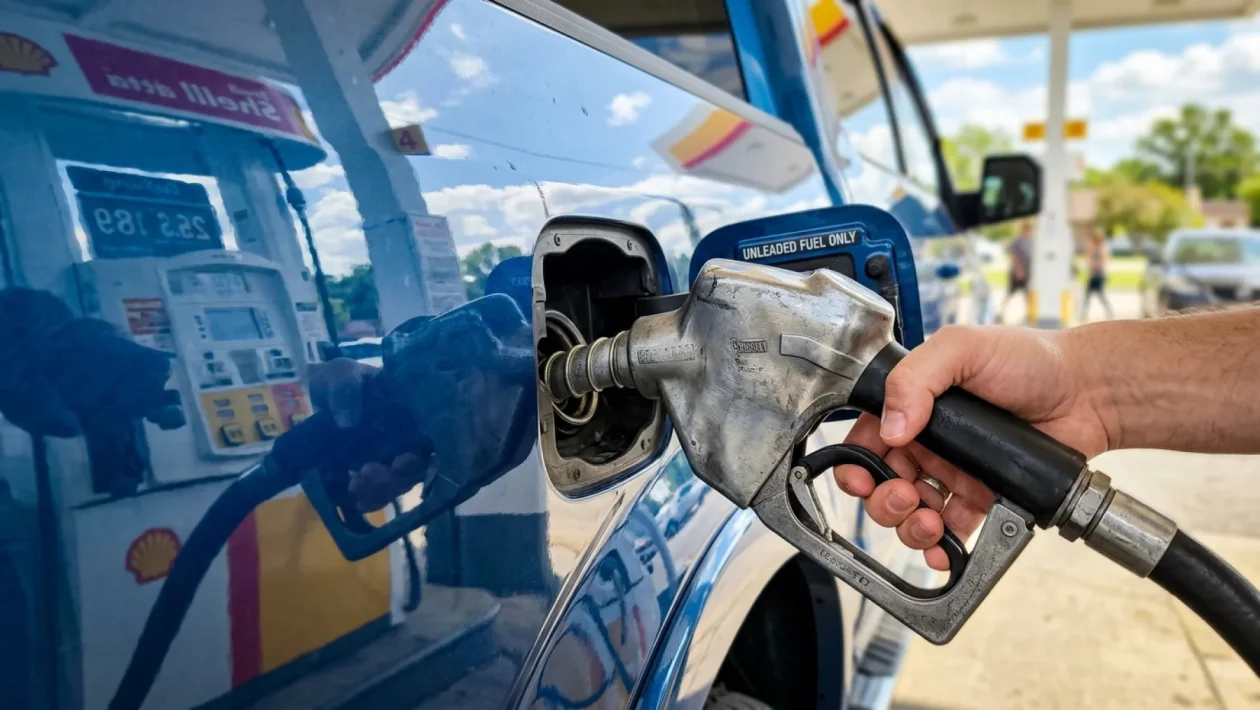
This is where the rubber meets the road. When you pull your Ford F-150 into a Petro-Canada station this week, you are going to feel the sting of international conflict. The North American energy market is deeply tied to global crude pricing, no matter how much domestic oil we produce.
Refineries are already adjusting their wholesale rates. Because it takes a few days for the global barrel price to reach your local pump, what you are seeing today is just the beginning.
Here is a quick breakdown of what you can expect over the next few weeks:
| Economic Factor | Immediate Impact |
|---|---|
| Global Crude Oil Barrels | Price spikes of 8-12% overnight |
| Local Pump Prices | Gradual increases of 10-15 cents per liter/gallon |
| Freight & Shipping Surcharges | Passed down to grocery and retail goods |
We are looking at a classic domino effect. It starts with a military headline, hits the crude oil index, and eventually lands squarely on your grocery bill and travel budget.
Frequently Asked Questions
Will this cause a massive recession?
Not necessarily. While energy price spikes are a heavy burden on inflation, the North American economy has built up significant domestic energy reserves. It will cause short-term pain, but a full recession depends entirely on how long the conflict lasts.
Are supply chains going to freeze again?
We aren’t looking at a pandemic-level shutdown. However, goods that rely heavily on trans-oceanic shipping will likely see fuel surcharges. Expect heavier items and imported electronics to carry a slight premium for the rest of the year.
Should I panic-buy fuel?
Absolutely not. The supply is still flowing steadily into our domestic grids. Panic-buying only creates artificial local shortages and drives the price up faster. Keep your regular routine, but budget a little extra for your weekly fill-up.
🤝 Let’s be real, navigating these global shocks is never fun, but understanding the mechanics behind the headlines gives you a massive advantage.
💡 Keep your eyes open on your local pump prices this week and consider consolidating your errands to save a few bucks while the market cools off.
📱 Share your thoughts and let me know if you are already seeing price hikes in your specific neighborhood.
👇 Good luck out there on the roads, and stay sharp!