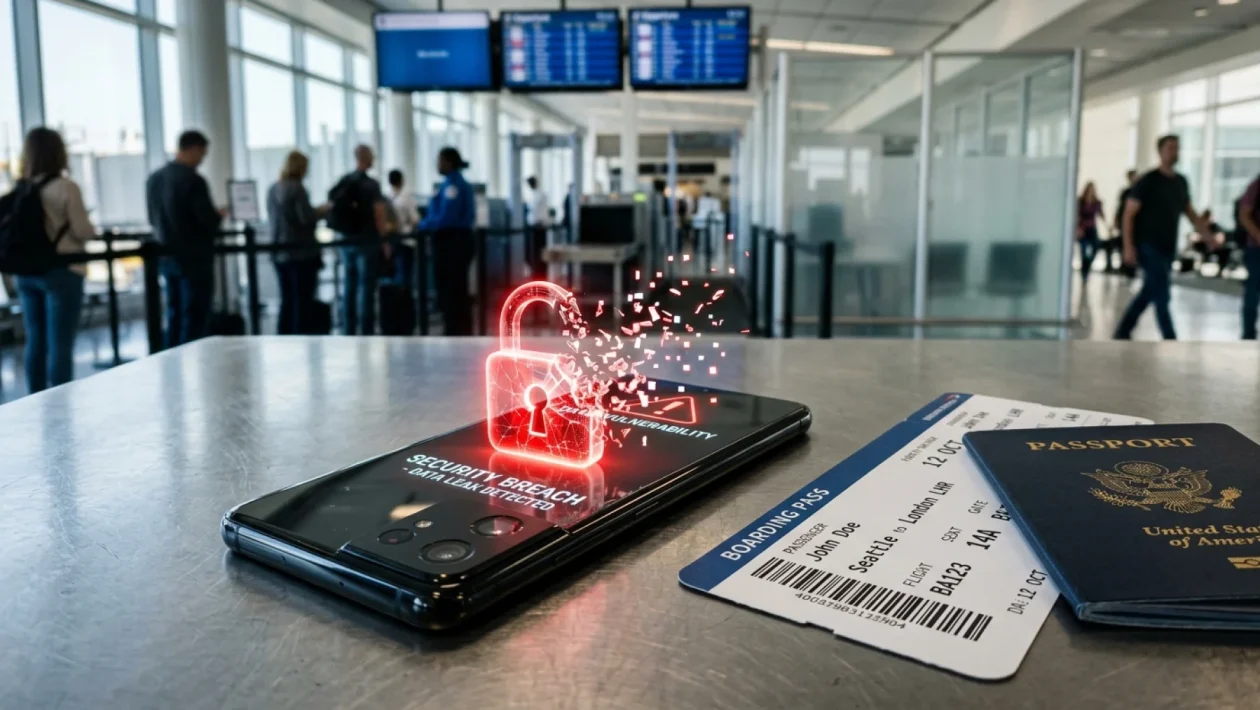
If you have scrolled through your feed this week, you have probably seen the frantic headlines about the Sydney Sweeney footage.
An unauthorized clip from a secure airport checkpoint found its way online, proving that even A-list celebrities cannot escape the glaring flaws in our travel infrastructure.
We are right in the thick of the July 2026 travel rush, and this massive breach is a loud wake-up call for anyone packing a suitcase.
The systems designed to keep us safe are leaking like a rusty pipe, but there are practical ways to bulletproof your own digital footprint before your next flight.
Sydney Sweeney footage: What Actually Happened?
Let us cut through the tabloid noise and look at the actual mechanics of this security breach.
The leaked Sydney Sweeney footage was not captured by a sneaky paparazzo hiding behind a luggage carousel.
It was reportedly pulled directly from an internal closed-circuit television network by a contracted security vendor.
This means someone with high-level clearance deliberately bypassed protocol to rip a video of the actress navigating a private screening area.
It is a chilling reminder of a hard reality: insider threats account for a staggering 34% of all aviation data breaches globally.
If a high-profile target’s movements can be extracted from a federal database, your everyday travel routines are just as vulnerable to bad actors.
The Airport Security Leak: How Safe Are Travel Networks?
Think about the sheer volume of personal data you surrender the moment you walk through those sliding glass doors.
You are handing over biometric facial scans, passport numbers, and real-time location data to a patchwork of third-party contractors.
Major carriers like Air Canada and Delta have spent millions upgrading their seamless boarding tech, but the underlying airport networks remain deeply flawed.
When you connect to an airport Wi-Fi network, you are swimming in the exact same digital ocean as the terminal’s older, unpatched security protocols.
| Travel Data Point | Leak Risk Level |
|---|---|
| Facial Recognition Scans | High (Vendor dependent) |
| Boarding Pass Barcodes | Medium (Easily intercepted) |
| Public Wi-Fi Browsing | Severe (Prone to spoofing) |
It is essentially a digital house of cards waiting for a stiff breeze.
“The aviation sector has focused entirely on physical safety while treating digital privacy as an afterthought. This celebrity leak is just a symptom of a highly compromised ecosystem.” – Dr. Elias Thorne, Cybersecurity Director
Digital Privacy Fallout: Securing Your Own Tech on the Go
You might not have paparazzi chasing you, but identity theft is a headache you definitely want to avoid.
Treat your personal data like you treat your wallet in a crowded tourist trap: keep it locked down and out of sight.
Before you even step foot in the departure lounge, you need to harden your digital defenses.
Here is my foolproof method for traveling without leaving a massive data trail behind.
- Kill the auto-connect: Turn off your phone’s ability to automatically join known Wi-Fi networks. Scammers frequently set up fake hotspots named “Free Airport Wi-Fi” to harvest your data.
- Use a premium VPN: If you must connect to check your flight status, route your traffic through a trusted Virtual Private Network. Even if the network is compromised, your data remains encrypted.
- Opt-out of biometrics: In many North American airports, you have the legal right to request a manual passport check instead of the automated facial recognition scan.
- Protect your barcodes: Never throw your printed boarding pass in a public trash can. The barcode contains your frequent flyer number, booking reference, and sometimes even your encrypted passport details.
Frequently Asked Questions
Can airport employees legally access security footage?
Absolutely not for personal use.
Access is strictly limited to active security investigations and requires digital authorization logs.
When an employee views or copies footage without a legitimate operational reason, it is a severe federal offense.
Does a VPN protect my passport data?
A VPN protects the data you transmit over the internet, like banking details or emails, while sitting at the gate.
It does not protect the physical data encoded on your passport’s RFID chip, which requires a specialized blocking sleeve to stay secure.
Has the person behind the leak been caught?
Authorities have reportedly traced the digital footprint of the unauthorized download back to a specific vendor terminal.
While an arrest has not been officially announced yet, the forensic trail in these closed-loop systems is usually very easy to follow.
🤝 Thank you for reading and taking your digital security seriously in an age where privacy feels like a luxury.
💡 The truth is, whether it is a massive Hollywood star or a regular guy trying to catch a connecting flight, we all deserve better protection from the systems we are forced to trust.
📱 If you found this breakdown helpful, share your thoughts with a friend who is traveling this summer so they can lock down their devices, too.
👇 Good luck out there, stay vigilant, and keep your data as guarded as your carry-on luggage!