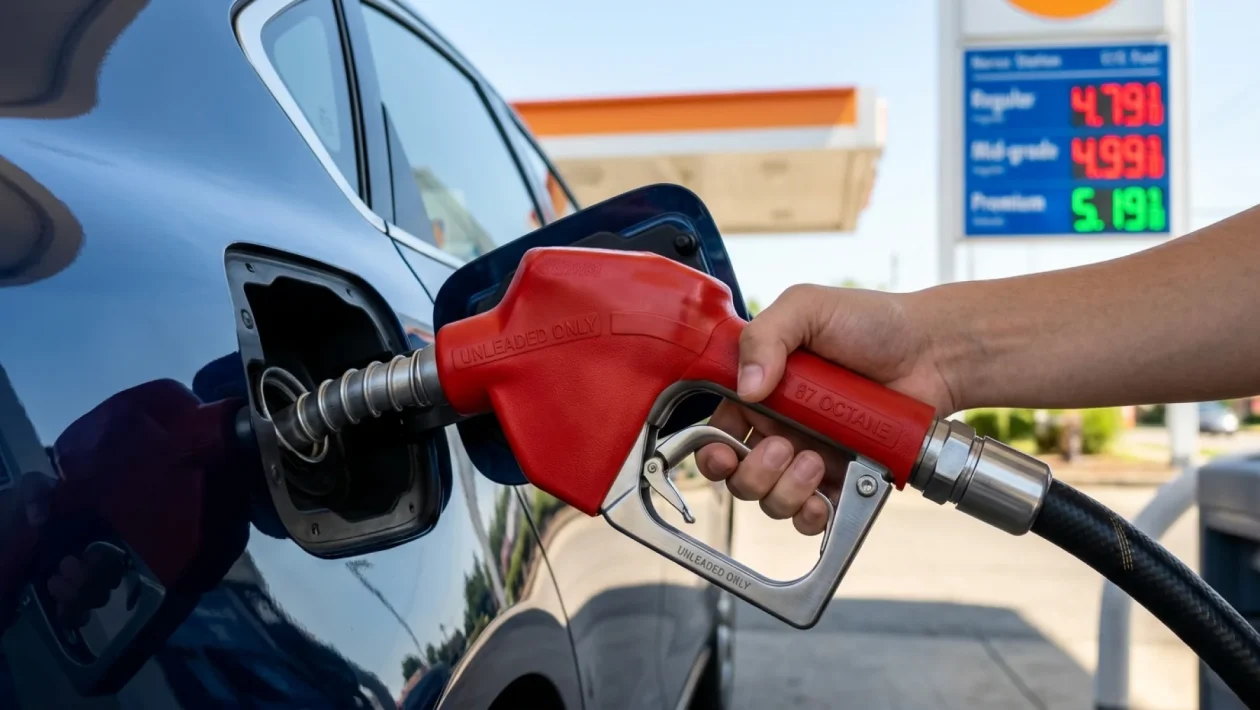
The moment the news breaks about escalating overseas conflicts, you can practically hear the collective groan at the gas pumps from Vancouver to Halifax. Oil prices jump instantly, and your hard-earned summer road trip budget takes a direct hit. But before you panic-buy fuel or cancel your weekend plans, you need to understand exactly why this is happening and how to shield your bank account from the fallout. Let’s cut through the noise and get to the bottom line of what this means for your daily drive.
Why oil prices jump every time conflict flares up
The global energy market is notoriously jittery.
Whenever shipping routes are threatened or major pipelines are caught in the crossfire, traders panic and barrel costs skyrocket.
It is simple math combined with a heavy dose of global anxiety. Here is a sobering fact for you: Historically, every $10 spike in a barrel of crude oil translates to roughly a 9-cent per litre increase right here at the pump.
“Energy markets price in fear long before they price in reality, which is why consumers feel the pinch instantly,” says David Rosenberg, a leading North American economic analyst.
That fear is exactly what is driving the numbers up on the big signs outside your local Petro-Canada today.
The latest war update disrupting the global supply
As we sit in the thick of July 2026, the latest updates from overseas conflict zones are rattling the core of our supply chains.
Key transit bottlenecks are under heavy pressure, forcing massive oil tankers to take longer, far more expensive routes.
While Canadian energy producers like Suncor are pumping steadily at home, crude is a global commodity. A disruption halfway across the world still dictates the price of the refined gasoline hitting your tank.
This latest military escalation means risk premiums are essentially baked into every single drop of fuel being shipped globally right now.
What this means for your wallet at the pumps
You cannot control global geopolitics, but you can absolutely control how your vehicle burns fuel.
Since you are going to be paying a premium for the foreseeable future, maximizing your fuel efficiency is no longer optional.
Here is my foolproof system to squeeze extra kilometers out of your tank and keep your money safe:
- Check your tire pressure weekly. Under-inflated tires create drag and force your engine to work overtime.
- Empty your trunk. Hauling around your golf clubs and heavy tools from Canadian Tire is costing you money in dead weight.
- Ease off the pedal. Accelerating gently rather than flooring it at green lights can save you significantly on fuel consumption.
To put this into perspective, let’s look at the real-world impact of your driving habits on your wallet.
| Driving Habit | Financial Impact |
|---|---|
| Aggressive Highway Driving | Wastes up to 30% more fuel |
| Proper Tire Maintenance | Saves roughly 3-4% per tank |
Frequently Asked Questions
Will oil prices drop before the end of summer 2026?
It is highly unlikely we will see a massive drop until the current geopolitical tensions cool off and international shipping routes normalize.
Should I switch to premium gas to get better mileage?
Absolutely not. Unless your vehicle’s engine specifically requires premium fuel, you are just throwing money away for zero performance gain.
🤝 Managing your money during global uncertainty does not have to be a stressful guessing game.
💡 Taking control of the small things, like basic vehicle maintenance and smarter driving habits, keeps your hard-earned cash in your pocket where it belongs.
📱 Share your thoughts on the current pump prices with us in the comments below.
👇 Good luck out there on the roads, and stay safe!