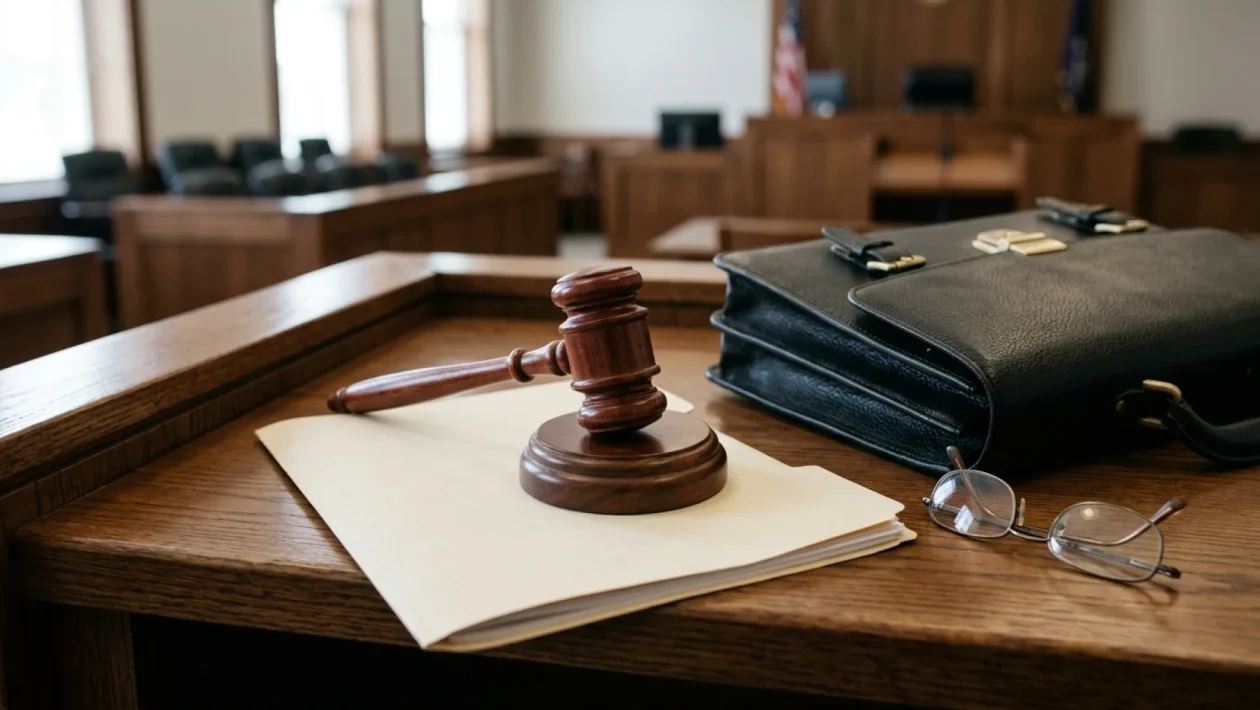
The ink is barely dry on the courtroom docket, but the Apalachee plea change has already sent shockwaves through the community this July.
We were all bracing for a grueling, months-long trial that would drag victims’ families back through the nightmare of September 2024.
Instead, the suspect’s legal team just threw a massive wrench into the gears of the justice system with a sudden, unexpected reversal.
If you are wondering why a defense strategy flips at the eleventh hour and what it actually means for the victims, let’s strip this complicated machine down to the bare mechanics.
The Apalachee Plea Change: Stripping The Legal Strategy Down To The Studs
Whenever a high-profile case hits the courtroom, the initial “not guilty” plea is standard procedure.
It is the legal equivalent of pouring a concrete foundation before you know exactly what kind of house you are forced to build.
But the Apalachee plea change we just witnessed is entirely different.
Changing a plea this late in the game usually means the prosecution brought overwhelming structural pressure that the defense simply could not withstand.
According to the Bureau of Justice Statistics, nearly 95 percent of all felony convictions are the result of plea changes, not full-blown jury trials.
The defense saw the writing on the wall, likely reviewing the exact same digital evidence and timeline we have watched unfold on Global News and across major North American networks.
Why The Suspect’s Sudden Reversal Happened Now
Timing is everything in the courtroom.
As we sweat through the summer of 2026, the prosecution’s mountain of evidence—digital footprints, school surveillance, and forensic reports—became far too steep to climb.
A sudden reversal is rarely about sudden remorse; it is a calculated damage control measure to stop the bleeding.
Legal teams use advanced predictive analytics from platforms like LexisNexis to forecast trial outcomes, and the numbers for this defense were incredibly bleak.
By pivoting right now, the legal team is trying to salvage whatever mitigation they can before facing a furious, exhausted jury.
“A late-stage plea change is never an accident. It is a strategic retreat when the defense realizes a public trial will only amplify the prosecution’s strongest, most damning evidence,” says Mark Vinson, a veteran North American criminal defense analyst.
How This Pivot Shifts The Entire Trial Blueprint
So, what happens when the main gear suddenly spins the other way?
The entire machinery of the trial shifts from proving guilt to determining consequences.
This profoundly changes the daily reality for the families involved, officially sparing them from the trauma of testifying on the stand.
Here is the exact step-by-step breakdown of how the courtroom mechanics change today:
- The Judge’s Colloquy: The judge must formally question the suspect to ensure the plea change is voluntary and clearly understood.
- Entering the Facts: The prosecution reads the agreed-upon facts of the tragedy into the public record, bypassing the need for witness testimony.
- Pre-Sentencing Investigation: Court officers compile a comprehensive background and psychological report on the suspect for the judge.
- The Sentencing Phase: Both sides present their final arguments before the judge hands down the ultimate ruling.
Let’s look at a quick breakdown of how this immediately alters the courtroom reality:
| Legal Phase | Impact of the Plea Change |
|---|---|
| Witness Testimony | Traumatic cross-examination is entirely bypassed. |
| Trial Timeline | Fast-tracked directly to the final sentencing hearing. |
| Media Coverage | Drastically shortened, focusing only on the judge’s final verdict. |
Frequently Asked Questions
Does a plea change guarantee a lighter sentence?
Not necessarily. While it often takes the absolute maximum penalty off the table to save the court time, the judge still has the final say. In a case as devastating as the Apalachee shooting, maximum consecutive life sentences are still highly probable.
Can the suspect withdraw this plea later?
It is incredibly difficult. Once a judge accepts a plea change and ensures the defendant understands the rights they are waiving, reversing it requires proving severe coercion or gross incompetence by their lawyer.
How does this impact the ongoing civil lawsuits?
A guilty plea acts as an immediate admission of fault. This heavily streamlines any pending civil lawsuits against the shooter, as legal liability is already cemented on the public record.
The Final Verdict
🤝 At the end of the day, the justice system is a highly complex machine, and this plea change just fast-tracked the most painful part of the entire process.
💡 While nothing erases the tragedy of September 2024, sparing the Apalachee community from a grueling, drawn-out summer trial is a small mercy they desperately deserve.
📱 If this breakdown helped you understand the moving parts of this historic legal shift, share this article with your network.
👇 Drop a comment below and let me know your thoughts on how the legal system is handling this case—I read every single one. Stay safe out there!