The Reality of Garden Infestations
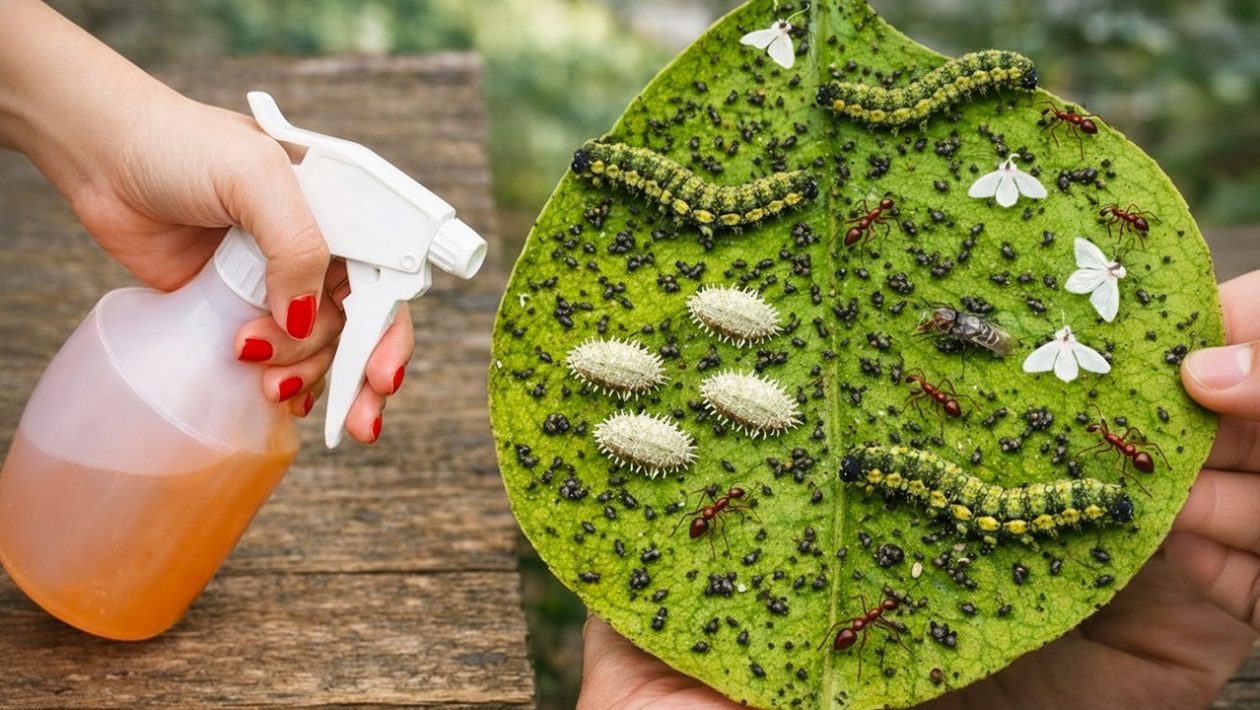
Garden pests don’t wait for an invitation. Whether it is aphids draining your rose bushes or caterpillars stripping your vegetable garden bare, these invaders can destroy weeks of hard work in a matter of days.
Many gardeners immediately reach for heavy-duty synthetic chemicals. While effective, these can leave toxic residues on your food and disrupt the delicate ecosystem of your backyard, often killing beneficial pollinators along with the pests.
The Power of Simple Ingredients
You do not need a laboratory to manage a pest outbreak. The most effective solutions often rely on basic botanical principles that disrupt the biological functions of insects without endangering your pets or your family.
The goal is a mixture that acts as a contact killer. This means it doesn’t need to be ingested; it simply needs to touch the insect. These solutions generally work by breaking down the waxy outer shell of soft-bodied insects like aphids, mites, and mealybugs, causing them to dehydrate and perish almost instantly.
Mixing Your Organic Defense
To create a potent, safe, and effective deterrent, you need to focus on two main components: a surfactant and an active botanical agent. The surfactant helps the spray coat the insects and leaves evenly, while the active agent does the heavy lifting.
- Mild Liquid Soap: Use a pure, non-detergent soap (like castile soap). Detergents contain chemicals that can burn plant leaves; pure soap is safer.
- Neem Oil or Horticultural Oil: This acts as a powerful deterrent and disruptor for a wide variety of pests, including whiteflies and spider mites.
- Water: The carrier for your mixture. Always use filtered or distilled water if possible, as high mineral content in tap water can sometimes interfere with the soap’s effectiveness.
Strategic Application
Timing is everything. Never apply any spray during the heat of the day, as the sun can magnify the liquid on the leaves and cause “burning” or scorched spots. The best time to apply is either early in the morning or late in the evening when temperatures are cooler.
Ensure you coat the underside of the leaves. This is where most pests, especially aphids and mealybugs, congregate to hide from predators and the sun.
Why Contact-Killers Work on Everything
Whether you are dealing with ants, caterpillars, or flies, the mechanism is the same: suffocation and desiccation. When applied correctly, the mixture clogs the spiracles—the tiny breathing holes found on the sides of an insect’s body.
Because this method is physical rather than chemical, pests cannot develop a “resistance” to the spray over time, which is a common problem with synthetic pesticides. It remains a reliable tool in your arsenal regardless of how long you have been gardening.
Maintaining a Healthy Garden
While an organic spray is a quick fix, it is not a replacement for healthy gardening habits. Plants that are well-watered and receive proper nutrients are naturally more resilient to infestations.
Check your plants weekly. Early detection allows you to spot a few aphids before they turn into a full-blown infestation that requires more intensive treatment. If you catch them early, you can often knock them back with a simple blast of water before needing to bring out the spray bottle.
Keep your tools clean and clear away dead plant matter, as this is where many pests overwinter or lay their eggs. A clean garden is inherently more resistant to outbreaks.