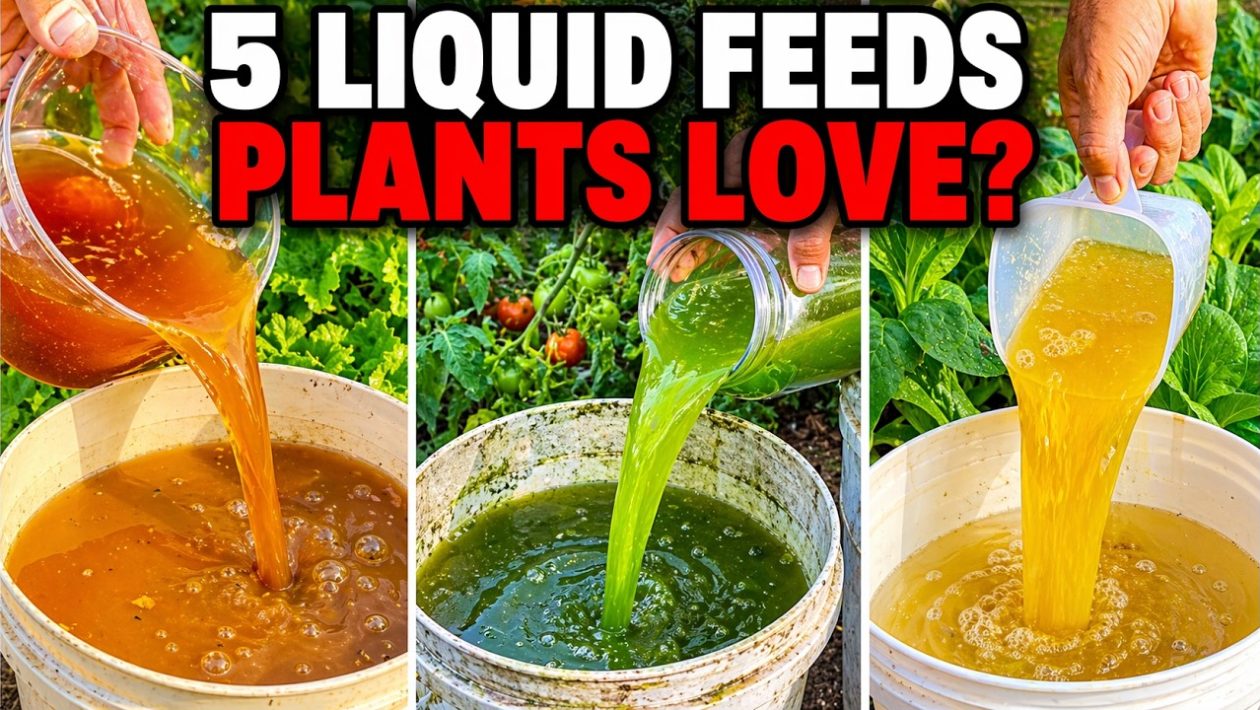
Stop Throwing Away Your Plants
Most gardeners assume that a yellowing leaf or a drooping stem is the end of the road. In reality, your plants are rarely “dying.” More often, they are simply starving for specific nutrients. Before you pull that plant out of the soil, look toward your kitchen trash can. The cure for your garden’s decline is likely sitting in your pantry right now.
Soil scientists have long understood that plant health is directly linked to the rapid delivery of micronutrients. By bypassing the slow decomposition process of standard compost, you can provide an immediate boost to your vegetables. Here are five potent natural fertilizers that work almost instantly.
1. Onion Peel Elixir
Onion peels are often discarded, but they are packed with potassium and protective compounds similar to those found in red wine. Potassium is the primary nutrient responsible for robust root growth and fruit development.
To create this elixir, soak a generous handful of clean onion skins in a gallon of water for 24 hours. The water will take on a golden hue. Use this liquid to water your plants directly. The nutrients are bioavailable immediately, providing a quick pick-me-up for struggling tomatoes or peppers.
2. Fermented Rice Water
The practice of using rice water is a staple in the “Effective Microorganisms” (EM) method, a technique used globally to revitalize soil. When you rinse your rice before cooking, you are washing away starches and trace minerals that act as a prebiotic for beneficial soil bacteria.
Instead of pouring that cloudy water down the drain, save it. Let it sit at room temperature for a day or two to allow for mild fermentation. This process increases the concentration of beneficial microbes, which help your plants absorb nutrients more efficiently from the soil.
3. Vegetable Scrap Digestate
The concept of using kitchen scraps to feed soil dates back to the 1840s, and the chemistry remains as effective today as it was then. By soaking vegetable trimmings—such as broccoli stalks, carrot tops, or kale ribs—in water, you create a nutrient-dense “tea.”
Allow the scraps to soak for three to five days, stirring occasionally. Strain the liquid and use it as a root drench. It provides a spectrum of vitamins and minerals that synthetic, one-size-fits-all fertilizers often lack.
4. The Full-Spectrum Kitchen Cocktail
If you aren’t sure exactly which nutrient your plant is missing, a “cocktail” approach is the safest bet. This involves combining mild amounts of eggshells (calcium), banana peels (potassium), and coffee grounds (nitrogen).
Blend these scraps with water until smooth, then dilute the mixture significantly. Apply a small amount to the base of the plant. This approach corrects multiple deficiencies at once, providing a broad-spectrum recovery solution.
5. Ancient Manure Tea
Before the widespread industrialization of fertilizer in 1913, manure tea was the standard for every successful garden. It remains the gold standard for providing nitrogen, phosphorus, and potassium in a balanced, organic form.
Place a small amount of aged, dried manure in a burlap sack and submerge it in a bucket of water. Let it steep for several days until the water looks like weak tea. Dilute this until it reaches the color of a light lager and water your plants. This is the most potent recovery tool on this list, especially for leafy greens that have stalled in their growth.
The One Mistake That Ruins Everything
The most common error gardeners make with these natural fertilizers is over-application. Because these liquid tonics are potent and immediate, there is a temptation to “dose” the plant every single day. Do not do this.
Even beneficial nutrients can cause salt buildup or pH imbalances if applied too frequently. Treat your garden like a person: an occasional supplement is healthy, but a steady diet of super-concentrated nutrients can lead to “fertilizer burn.” Stick to once-a-week applications at most, and always observe your plant’s response before applying more. Your garden will show you exactly what it needs if you pay attention to the foliage.