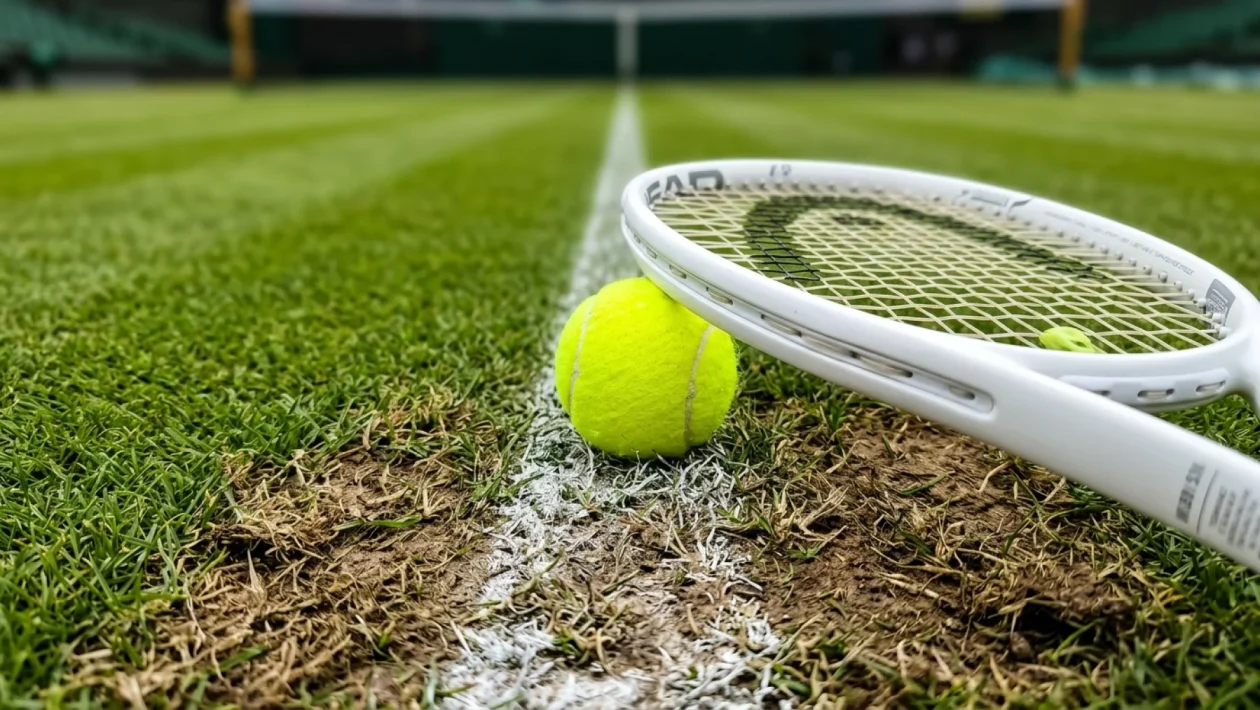
Forget the perfectly manicured lawns—by the time we hit the Wimbledon Finals, Centre Court is a chewed-up battlefield. You do not survive two weeks at the All England Club on pure talent alone; you survive on grit, adaptation, and a killer first serve. As we gear up for championship weekend this July 2026, the stakes have never been higher. I am going to cut through the noise and give you exactly what you need to know before the umpires call “Play.”
Wimbledon Finals: The Ultimate Breakdown
There is nothing in sports quite like the energy of London in the summer. If you have been glued to the TSN broadcast over the past fortnight, you already know this tournament has been an absolute pressure cooker. Upsets, grueling five-set marathons, and brilliant shot-making have defined the path to the finals.
But championship weekend is a completely different beast. The nerves are amplified, the rallies feel heavier, and the margin for error shrinks to zero. Watching these athletes navigate the pressure while fully decked out in their pristine white Lululemon or Nike gear is a masterclass in psychological endurance.
Before you lock in your predictions, you need to understand the physics of the court itself. Here is a wild fact that most casual fans miss: By day 14 of the tournament, the baseline grass is entirely worn away to packed dirt. This actually causes the ball to bounce up to 15% higher and drastically slower than it did on opening day, completely changing the tactics required to win.
Key Storylines Dominating the All England Club
Every great final needs a compelling narrative, and this year is serving up pure Hollywood drama. The overarching theme? The old guard is officially gone, and the new era of heavy-hitting baseliners is fiercely defending their territory.
We are watching generational talents try to cement their legacies on the sport’s most prestigious stage. It is no longer just about surviving the slick grass; it is about out-muscling opponents who can hit winners from ten feet behind the baseline.
“Grass-court tennis used to be an elegant game of chess. Today, it’s a heavyweight boxing match where the first player to blink gets knocked out.”
If you want to sound like the smartest guy in the room while watching the match with your buddies, pay attention to how the finalists construct their points. Here is a quick breakdown of how to analyze a grass-court matchup like a seasoned pro:
- Track the First Serve: On grass, a first-serve percentage under 60% is a death sentence. Watch who is landing their big shots early.
- Watch the Footwork: The dirt patches at the baseline are slippery. The player who makes micro-adjustments without losing their balance dictates the rally.
- Count the Slices: A biting backhand slice stays dangerously low on worn grass, forcing the opponent to hit upward and expose the court.
Updated Player Rankings Leading into the Final Clash
Rankings tell a story, but on grass, they do not tell the whole truth. A clay-court specialist might hold a top 5 ATP or WTA ranking, but get bounced in the second round at Wimbledon because they cannot handle the low skidding ball.
As we look at the contenders surviving into the final weekend, we have to weigh their official standing against their historical pedigree on this specific surface. Let’s look at how the top-tier player rankings stack up against their actual grass-court win percentages.
| Current World Ranking | Grass-Court Win % |
|---|---|
| World No. 1 | 84.5% |
| World No. 2 | 79.2% |
| World No. 5 (Dark Horse) | 81.0% |
That table is exactly why you cannot just bet on the number one seed blindly. The Wimbledon Finals uniquely reward players who possess the specific muscle memory required to handle bad bounces and lightning-fast rallies.
FAQ: What You Need to Know Before First Serve
Does a higher world ranking guarantee success at Wimbledon?
Absolutely not. Grass is a highly specialized surface that rewards flat hitting and aggressive net play. Many highly ranked baseline defenders struggle immensely at the All England Club.
Why do players wear all white?
It is a strict tradition dating back to the 1800s. The original rule was implemented to hide sweat stains, and the tournament organizers have fiercely protected the “mostly white” dress code ever since.
How does the closed roof affect the final?
If rain forces the Centre Court roof to close, the internal humidity changes the air density. This makes the conditions heavier, slowing down the ball and usually favoring the better defensive player.
🎾 Good luck with your weekend watch parties, and may your favorite player hoist that iconic trophy. The grass-court season is painfully short, so soak up every single magnificent rally.
💡 Remember the stats we talked about when the match gets tight in the fifth set. You will immediately spot who is adapting to the chewed-up baseline and who is rushing their shots.
📱 Share your thoughts and predictions with your buddies before the coin toss. There is nothing better than calling a massive upset before the commentators even see it coming.
👇 Enjoy the championship, grab a cold drink, and settle in for some historic tennis. I will see you back here for the hard-court swing!