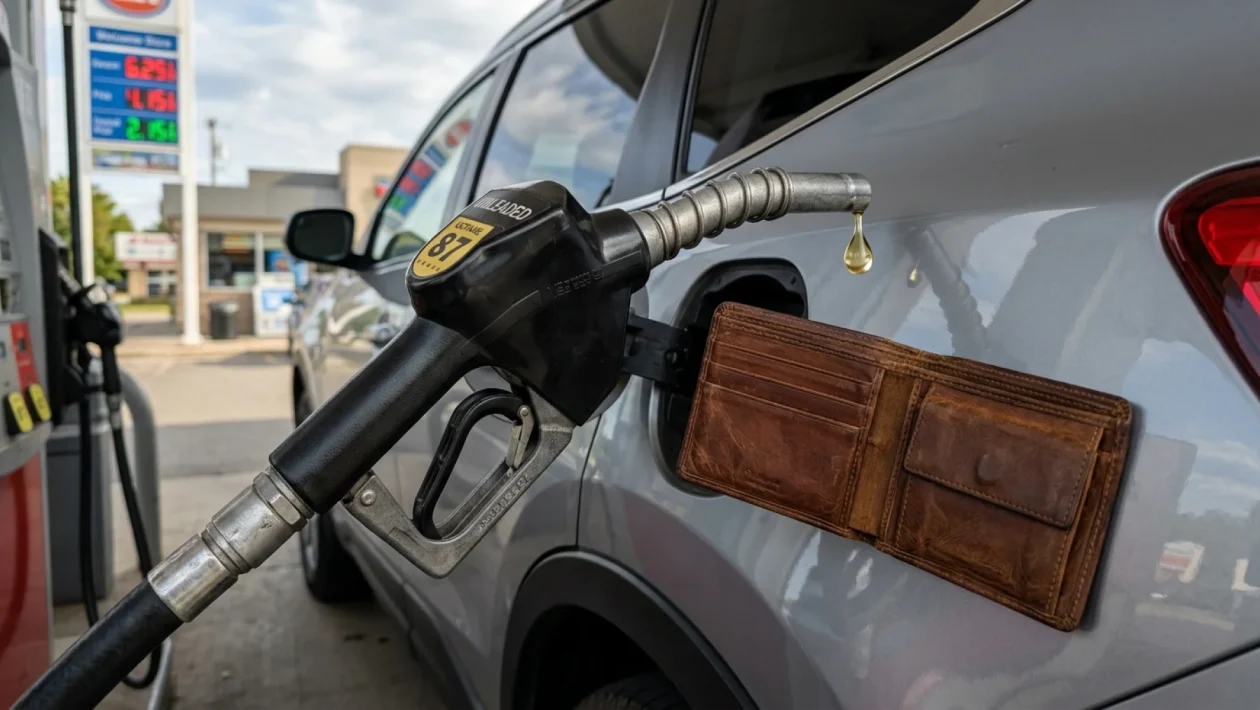
You are standing at the pump, watching those numbers spin faster than a Vegas slot machine, and hoping for a break. Well, you might want to brace your wallet. As we hit day 87 of the US-Israel war on Iran this Spring 2026, the highly anticipated US Iran Deal has just hit a serious roadblock.
President Donald Trump has officially told his negotiators not to rush an agreement, completely dashing the weekend’s market optimism. I am going to break down exactly what this geopolitical standoff means for you, how a distant naval blockade is throttling our supply chains, and why North American consumers are about to foot the bill.
Stalled Talks: Why The Negotiation Table Went Cold
Just days ago, rumors were swirling that a diplomatic breakthrough was imminent. Now, the US Iran Deal is officially on ice.
Trump took to Truth Social to declare that the US blockade on Iranian ships will remain in full force until a perfect agreement is certified and signed. The reality is that both sides are dug into their trenches over massive core issues. Iran wants billions in frozen assets released and crushing sanctions lifted immediately.
Meanwhile, the US administration is facing heavy internal pressure. Republican hawks like Senators Ted Cruz and Lindsey Graham are loudly opposing any swift, negotiated end to the conflict.
“We’re either going to have a good agreement, or we’re going to have to deal with it another way. The president is not going to make a bad deal – he’s just not.” – US Secretary of State Marco Rubio
This means the political gears are grinding to a halt. When Washington and Tehran dig their heels in, the rest of the global economy is left waiting in the crossfire.
The Hormuz Blockade: A Chokepoint For The World
You cannot understand the gravity of this stalled US Iran Deal without looking at the Strait of Hormuz. This is the main artery of global energy.
Here is a staggering hard fact: a massive 20% of the world’s total petroleum consumption passes through this incredibly narrow, 39-kilometer chokepoint every single day. Right now, US naval forces have effectively choked off this route to Iranian vessels, and the ripple effects are immense.
When a major global chokepoint is shut down, the supply chain breaks down in a very predictable, painful way:
- Vessels Get Stranded: Supertankers carrying millions of barrels of crude are trapped in the Gulf for months, unable to safely transit.
- Freight Insurance Explodes: The few shipping companies willing to navigate conflict zones face astronomical insurance premiums.
- Refineries Scramble: Global refineries are forced to outbid each other for alternative crude sources to keep their operations running.
- The Consumer Pays: Every single cent of those increased transit and bidding costs is passed directly to you at the checkout line.
Why Your Gas Bill Is About To Skyrocket
Let’s bring this home to North America. You might think a conflict in the Middle East does not affect your daily commute, but the global oil market is deeply interconnected.
We are already seeing the early warning signs globally. In India, state-owned retailers have hiked fuel prices four times this May just to recoup losses from these crude costs. It is only a matter of time before that reality hits us here.
Whether you are filling up your truck at a local Petro-Canada or trying to book a summer vacation flight with Air Canada, the cost of refined energy is about to climb. The longer the US Iran Deal is delayed, the more the global energy supply shrinks.
| Geopolitical Action | Direct Consumer Impact |
|---|---|
| Extended Hormuz Naval Blockade | Surging prices for diesel and unleaded gasoline. |
| Failure to release frozen Iranian funds | Prolonged market instability and rising inflation. |
| Stock market volatility (Nikkei spikes) | Unpredictable interest rates and retirement fund swings. |
Make no mistake, energy markets hate uncertainty. Until a solid signature lands on that treaty, expect to pay a premium for living your everyday life.
Frequently Asked Questions
What are the main disagreements holding up the US Iran Deal?
The core disputes revolve around Iran’s nuclear ambitions, the ongoing Israeli operations in Lebanon, and Tehran’s absolute demand for the release of billions in frozen foreign assets before any concessions are made.
Will this conflict benefit North American oil producers?
In the short term, yes. When Middle Eastern crude is restricted, domestic oil producers often see higher barrel prices and increased demand. However, the resulting inflation hurts the broader economy much more than it helps a single sector.
Is there a timeline for when the Strait of Hormuz will reopen?
There is no official timeline. According to recent statements from the Trump administration, the naval blockade will remain in full force until a comprehensive, certified agreement is officially signed by both nations.
🤝 Share your thoughts with me—are you already noticing the pinch in your monthly budget, or are you hoping domestic production keeps our prices stable?
💡 The next few weeks of negotiations are going to be absolutely critical for the global economy.
📱 Keep an eye on those pump prices, stay informed on the geopolitical shifts, and don’t hesitate to forward this breakdown to a friend who loves tracking the markets.
👇 Good luck out there, keep your tanks topped off, and I will catch you in the next update!