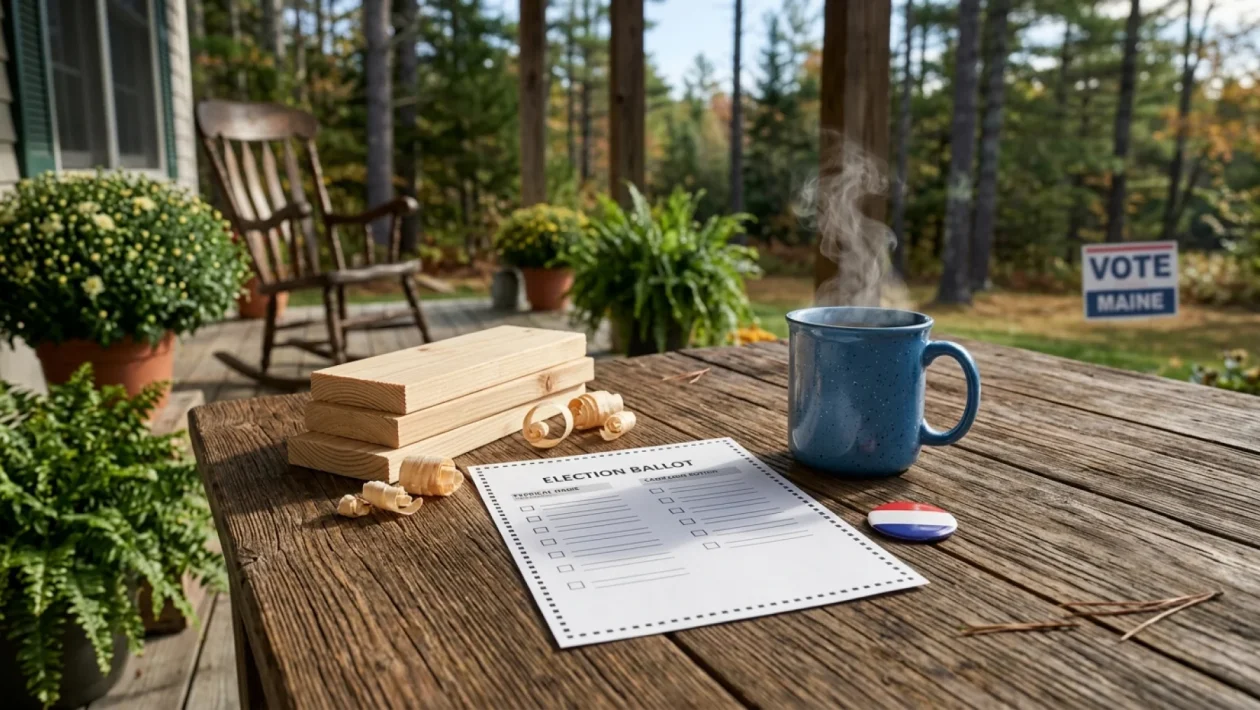
If you think the political theatre south of the border doesn’t affect your wallet, you need to look closer at what’s happening right next door. The Maine Senate race has just crossed a massive threshold as of July 9, 2026, and the ripple effects are going to hit everything from local lumber exports to cross-border tourism.
Right now, the establishment candidates are sweating bullets over a sudden surge in grassroots momentum. I’m going to break down exactly what shifted this week, who is actually pulling ahead, and how this political showdown directly impacts our North American supply chains.
July 9 Updates: The Latest Action From The Campaign Trail
This morning brought a massive shakeup to the campaign trail. Early reports from Politico and local New England dispatchers confirmed a record-breaking fundraising haul over the last 72 hours.
We are seeing traditional battleground counties flip their historical allegiances. Candidates are no longer just kissing babies; they are hammering away at heavy-hitting industrial policies that affect working-class folks.
Interestingly, it’s not just the big cities making noise. The rural voters in Aroostook County—right up against the New Brunswick border—are demanding answers on tariffs and transport regulations.
The Shocking Poll Numbers Shaking Up the Establishment
Let’s talk numbers, because the math right now is wild. Here is a surprising hard fact to chew on: over 65% of Maine’s exported goods head straight into Canadian markets, yet cross-border trade hasn’t been the main talking point until today.
When you look at the July 9 polling aggregates, the independent vote has surged by 14 points in just two weeks. Voters are clearly tired of the standard partisan bickering.
It reminds me of fixing a leaky carburetor. You can’t just slap duct tape on it and hope it holds; you have to tear it down and address the core issue. That’s exactly what Maine voters are forcing these candidates to do on the debate stage.
“This summer is redefining northern New England politics. The July 9th numbers prove that relying on legacy voting blocks is a guaranteed way to lose this Senate seat.” – Dr. Marcus Vance, North American Political Strategist.
How Ranked-Choice Voting is Changing The Game
If you’re sitting in a Tim Hortons wondering why this race seems so incredibly complicated, you need to understand Maine’s unique electoral mechanics. They simply don’t do things the old-fashioned way.
Maine uses a system called ranked-choice voting, and it completely alters how campaigns strategize. Here is how the process actually works under the hood:
- Voters rank their choices: Instead of picking just one name, voters list candidates from their most to least favorite on the ballot.
- First count happens: If someone gets over 50% of the first-place votes, the race is over and they win the seat immediately.
- The elimination round: If nobody hits that 50% threshold, the candidate in dead last is eliminated from the board.
- Reallocating the votes: The folks who voted for the losing candidate have their secondary choices counted and added to the remaining totals until a majority winner emerges.
This system forces candidates to play nice. You can’t just attack your opponent relentlessly, because you desperately need to be their supporters’ second choice to survive the later rounds.
What This Election Means For Cross-Border Trade
For those of us north of the border, this isn’t just spectator sports. Who sits in that Senate seat dictates border security funding, commercial trucking regulations, and maritime fishing rights.
Here is a quick breakdown of where the major political platforms currently stand as of this week’s economic debates.
| Incumbent Strategy | Challenger Strategy |
|---|---|
| Focus on maintaining current NAFTA/USMCA agreements. | Pushing for aggressive renegotiations on softwood lumber. |
| Status quo on border wait times and commercial customs. | Promises massive funding for automated commercial checkpoints. |
| Heavily funded by established maritime and trade unions. | Relying on grassroots rural and independent business funding. |
Frequently Asked Questions About the Maine Senate Race
When is the actual election day for the Maine Senate seat?
The general election takes place on Tuesday, November 3, 2026. However, with mail-in voting and early polling, the actual ballot casting starts weeks in advance.
Why are July updates so critical for a November election?
July marks the end of the second financial quarter. The fundraising numbers released right now determine which candidates get national party backing and which campaigns are essentially running on fumes.
Can Canadian citizens donate to a US Senate race?
No. Under US federal election law, foreign nationals cannot contribute money directly to political campaigns. However, cross-border business associations often lobby heavily on shared economic interests.
🤝 To wrap things up, keeping an eye on these political shifts isn’t just for news junkies. What happens in Maine’s logging towns and fishing ports eventually hits our own economic engine.
💡 Whether you’re hauling freight across the St. Stephen border crossing or just managing investments tied to North American trade, staying informed is your best tool in the shed.
📱 Share your thoughts with me on social media. Are you surprised by the recent polling shifts, or did you see this grassroots push coming from a mile away?
👇 Drop a comment below or share this breakdown with a buddy who needs a quick, no-nonsense update. Good luck navigating the wild news cycle this week!