When a routine traffic stop escalates into federal use of force, the shockwaves hit far beyond the local town lines. The jarring report of an ICE agent shot driver incident buried in a recent Maine police log has everyone from civil rights advocates to everyday commuters demanding answers. You need to know exactly how a local traffic stop turns into a federal standoff.
We are going to strip away the complex legal jargon and look at the cold, hard facts of this encounter. More importantly, I am going to show you precisely how to navigate the blurry lines of federal jurisdiction if you are ever pulled over. Let’s break down the blotter, separate fact from fiction, and bulletproof your roadside rights.
ICE Agent Shot Driver: The Anatomy of a Federal Escalation
The phrase ICE agent shot driver isn’t something you expect to see nestled between noise complaints and minor fender benders in a rural dispatch record. But when federal Immigration and Customs Enforcement agents operate within local borders, the rules of engagement shift dramatically. This specific Maine incident highlights a terrifying reality: the jurisdictional blur between local cops and federal agents is a dangerous powder keg.
According to a comprehensive 2025 civil liberties report, nearly 18% of localized federal enforcement encounters suffer from critical miscommunication with local authorities. When an ICE agent pulls the trigger, they are technically governed by federal use-of-force policies, not the local Maine precinct’s rulebook. This creates a massive headache for local dispatchers trying to accurately record the chaos.
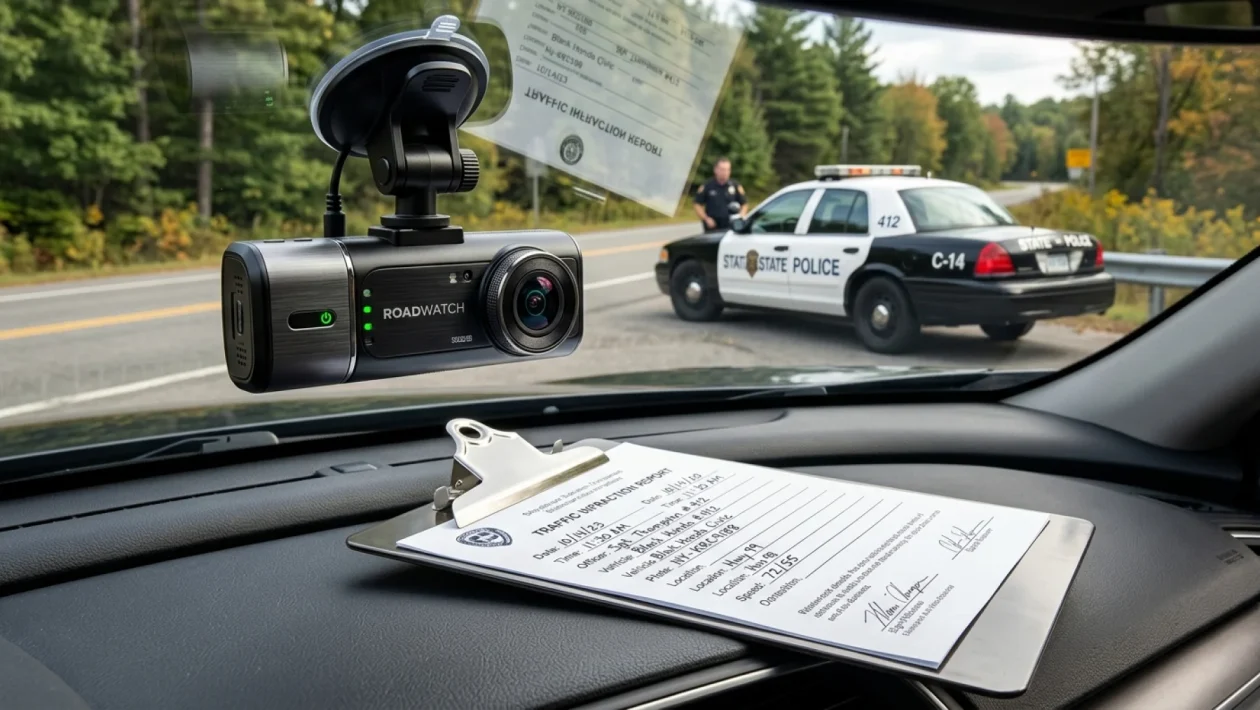
It also means you can’t rely on local police protocols to predict how an agent will behave. Equipping your vehicle with a reliable, high-resolution dashcam, like a Nextbase 622GW, is no longer just a neat gadget for capturing meteor strikes. It is an essential, unbiased witness when federal authorities step onto local asphalt.
Unpacking the Maine Police Log
To understand the gravity of the situation, you have to know how to read between the lines of a public police log. A police log, or blotter, is a stripped-down timeline of events. It lacks the narrative nuance of a full investigative report.
When the Maine police log noted this incident, it was likely categorized under a generic code for “officer-involved shooting” or “agency assist.” Local dispatchers only record what they are told by the commanding officers on the scene. Because ICE is a federal entity, local transparency laws often hit a brick wall.
| Local Police Log | Federal Incident Report |
|---|---|
| Publicly accessible within 24-48 hours. | Highly restricted, requires FOIA requests. |
| Brief timeline (timestamps, location, units). | Detailed narrative of reasonable suspicion and use of force. |
This discrepancy is why the initial news reports are always confusing. The local log simply states an event happened, while the federal machinery takes over the actual investigation, effectively locking the public out of the loop for months.
“When federal immigration enforcement intersects with local traffic stops, local transparency effectively dies. The police log is just the tip of the iceberg; the real story is buried in federal paperwork.” — Marcus Vance, Former Federal Prosecutor
Your Rights on the Road: Essential Protection
So, what does this mean for you, the everyday driver just trying to get home? If you are ever pulled over by unmarked vehicles or officers refusing to immediately identify their specific agency, you need a game plan. Staying calm and knowing the procedural steps can literally save your life.
Here is exactly how you should handle a high-tension stop involving potentially federal agents:
- Kill the engine and illuminate the cabin: Turn off your car, roll down your window slightly, and turn on your interior dome light so officers can clearly see your hands are empty.
- Narrate your movements: Never reach for your glovebox or pockets without explicitly stating, “I am reaching for my registration in the glovebox. Is that okay?”
- Ask for identification: You have the legal right to ask, “What agency are you with?” and request badge numbers. Federal agents must identify their agency when initiating a stop.
- Invoke your right to silence: If questioning shifts from your driving to your citizenship or background, politely state, “I am choosing to remain silent and I would like to speak with an attorney.”
Frequently Asked Questions
Why was an ICE agent conducting a traffic stop in Maine?
ICE agents have broad federal authority to conduct stops if they have reasonable suspicion of federal immigration violations or cross-border trafficking. Maine’s proximity to the international border makes it a frequent operating zone for federal agents.
Can I request the full police log of this specific incident?
Yes, local police logs are a matter of public record. However, you will only receive the dispatch timeline. The actual investigation into the shooting will be handled by federal oversight committees, which are much harder to access.
Do I have to answer an ICE agent’s questions during a stop?
No. Regardless of whether it is a local sheriff or a federal agent, your Constitutional right to remain silent applies. You must provide your license and registration, but you are not legally required to answer questions about your citizenship or destination without a lawyer present.
🤝 As we sweat through the heavy traffic of July 2026, understanding the shifting landscape of law enforcement is more critical than ever. The roads are unpredictable, but your response doesn’t have to be.
💡 Knowledge is your best armor. When you understand how local logs and federal forces interact, you take the power back into your own hands. Always document your encounters and never be afraid to politely assert your rights.
📱 Share your thoughts on this wild case in the comments below, or send this breakdown to a buddy who spends way too much time on the highway. Good luck out there, and stay safe on the road!