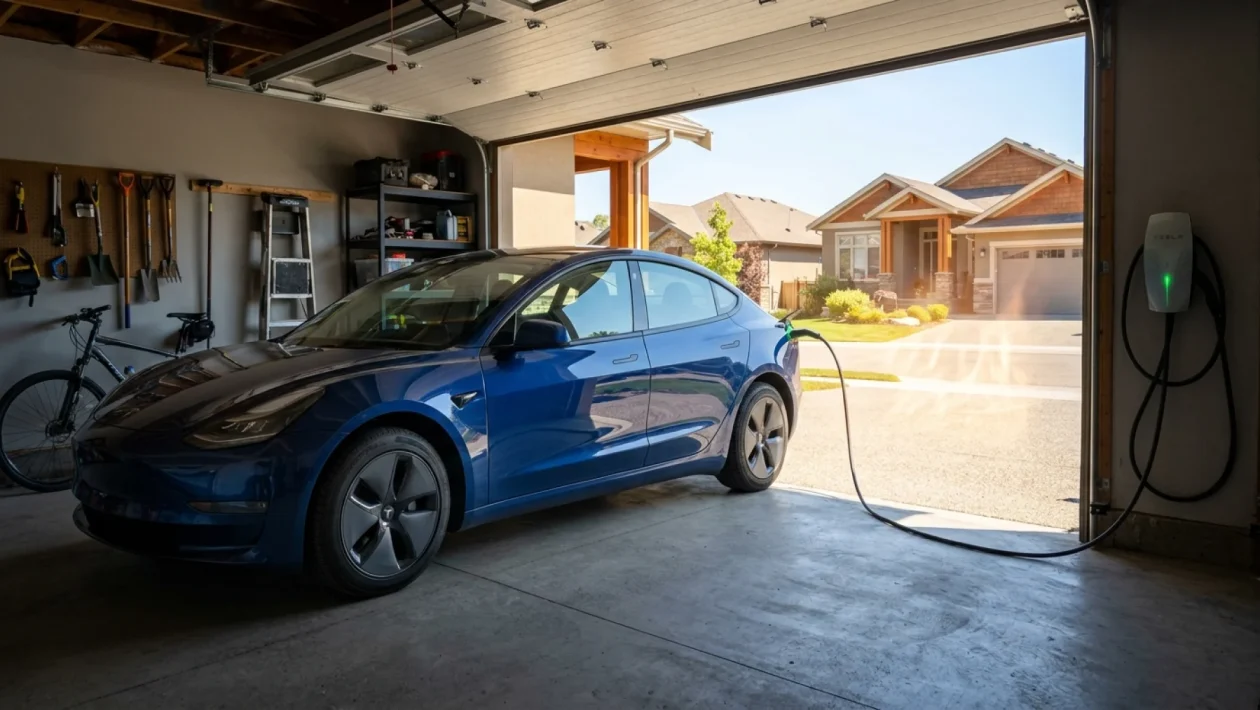
Your dashboard thermometer is screaming 34 degrees, the pavement is practically melting your sneakers, and the real victim is the expensive lithium-ion pack sitting under your floorboards. High temperatures act like a chemical time machine for electric vehicles, prematurely aging the cells and permanently shrinking your maximum driving distance. But here is the good news: by tweaking how you park and when you plug in, you can completely halt EV battery degradation and keep your daily range operating at peak factory capacity.
We are officially deep into the July 2026 heatwaves, and your car’s thermal management system is working overtime. Let’s break down exactly how you can protect your investment without overcomplicating your daily commute.
EV battery degradation: The silent range killer
Batteries are a lot like us—they prefer room temperature. When a battery sits in extreme heat, the liquid electrolytes inside the cells start to break down, accelerating unwanted chemical reactions.
This isn’t just a temporary drop in performance. Heat damage causes irreversible physical wear on the battery architecture. According to battery analytics data from Geotab, vehicles heavily exposed to hot climates and frequent high-speed charging can see EV battery degradation happen up to five times faster than those driven in moderate conditions.
That means the 450 kilometers of range you bought off the lot could shrink down to 380 kilometers within a few rough summers. You need to treat your battery pack like a cooler full of prime steaks on a camping trip—keep it out of the sun and manage the internal temps.
Shield your range: Smart charging rules
The absolute worst combination for an electric vehicle is high heat coupled with a 100% state of charge. When a battery is completely full, it is under maximum voltage stress, and adding environmental heat to that equation is a recipe for disaster.
To shield your range, adjust your daily charging limit to 80% during the summer months. If you are plugging into a public Flo network station outside a Canadian Tire to grab some weekend supplies, opt for the slower Level 2 chargers rather than the heavy-duty DC Fast Chargers. Fast charging naturally generates a massive amount of internal heat, which forces your car’s cooling system to fight a battle on two fronts.
“Lithium-ion cells under high ambient heat and maximum voltage experience extreme physical stress. Keeping your daily charge capped at 80% during a severe heatwave is the single greatest favor you can do for your vehicle’s long-term lifespan,” says Dr. Jeff Dahn, pioneering battery researcher at Dalhousie University.
Beat brutal summer heat: The cool-down checklist
You don’t need a degree in electrical engineering to keep your rig running cool. Active thermal management is built into almost every modern EV, but it relies on you setting up the right conditions.
Follow this exact routine when the mid-summer sun starts baking your driveway:
- Leave it plugged in at home: Even when you hit your 80% charge limit, keep the cable attached. The car will pull power from the grid—not your battery—to run the cooling pumps and keep the pack at a safe temperature.
- Precondition the cabin: Use your smartphone app to turn on the air conditioning 15 minutes before you leave. Since the car is still plugged in, you cool the interior without drawing heat-generating current from the battery cells.
- Hunt for strategic shade: When parking at work or the mall, prioritize covered garages or heavily shaded spots. If forced to park in the sun, point the nose of the car away from direct sunlight to protect the dashboard electronics.
The true cost of thermal damage
It’s easy to brush off these habits when you’re in a rush, but the math tells a different story. Taking a few extra seconds to park smart and manage your charging limit pays serious dividends over the life of your vehicle.
| Summer Ownership Habit | Estimated Degradation (Over 5 Years) |
|---|---|
| Daily 100% charging in direct afternoon sun | 12% to 15% total range loss |
| Capped at 80% & plugged in for thermal management | Only 3% to 5% total range loss |
Frequently Asked Questions
Does DC Fast Charging make heat damage worse?
Yes. Pushing massive amounts of direct current into a battery creates significant internal heat. If you absolutely must fast-charge during a summer road trip, try to do it early in the morning or late at night when ambient temperatures are lower.
Should I hose down my EV to cool the battery?
Absolutely not. While washing your car cools the sheet metal, it does nothing for the heavy, sealed battery pack insulated under the floor. Rely on your vehicle’s internal liquid cooling system, not your garden hose.
Is it okay to charge to 100% for a long road trip?
Yes, charging to 100% occasionally is perfectly fine. The key is to time it right. Set your charger to hit 100% just before your departure time so the battery doesn’t sit baking at maximum voltage in your driveway for hours.
💡 Good luck keeping that battery icy out there on the roads this summer. Taking five extra minutes to plan your parking and charging limits goes a remarkably long way.
🤝 Remember, taking care of your electric ride isn’t just about saving the planet—it’s about protecting your wallet from premature hardware replacements.
📱 If you’ve found a clever way to keep your EV cool in the scorching July weather, I want to hear about it.
👇 Share your thoughts and your own summer driving tips in the comments below!