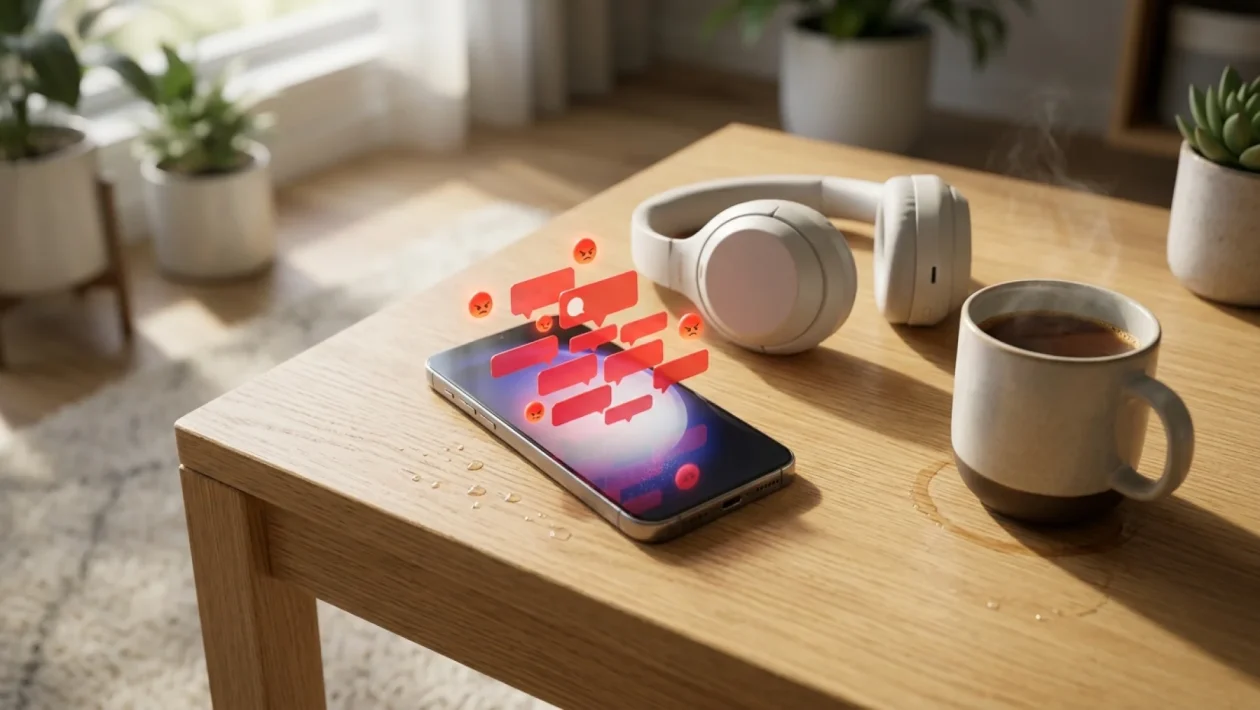
The internet is permanently angry, and honestly, we are just exhausted. We have officially hit peak cancel culture fatigue, a digital epidemic where the daily demand for outrage has completely numbed our ability to care.
If you find yourself scrolling past the latest trending boycott with a blank stare, you are not alone. Today, we are breaking down exactly why the public stopped grabbing their pitchforks and how we can finally trade performative anger for practical, real-world solutions.
Cancel Culture Fatigue Is Reaching A Breaking Point
Remember when calling someone out online actually felt like a meaningful push for justice? Fast forward to the summer of July 2026, and the digital landscape looks entirely different.
The sheer volume of daily internet takedowns has completely diluted the concept. When everything from a heinous crime to a slightly tone-deaf tweet gets the exact same level of fiery condemnation, the alarm bell just sounds like white noise.
According to a recent Angus Reid poll, a staggering 78 percent of North Americans now actively ignore social media boycotts. The primary reason? Pure emotional burnout. We simply do not have the mental bandwidth to stay mad twenty-four hours a day.
Exactly Why We Stopped Caring About The Outrage Machine
The reason we checked out is simple: the math just does not add up anymore. The punishment rarely fits the crime, and the whole circus feels incredibly forced.
Think about how many times you have seen a brand like Lululemon or even your local Tim Hortons face the wrath of the internet over a minor misstep. The mob forms, the corporate apology drops, and 48 hours later, everyone moves on to a new target. It is a revolving door of manufactured fury.
People stopped caring because they realized the outrage machine is fundamentally broken. It does not teach, it does not heal, and it certainly does not fix the underlying problems.
“When society treats a clumsy joke with the same severity as institutional corruption, the public naturally tunes out. We are wired for empathy, not endless, indiscriminate hostility,” says Dr. Sarah Jenkins, a digital sociologist at the University of Toronto.
The Meaningful Shift To Real Accountability
Fortunately, hitting the wall of cancel culture fatigue is actually pushing us in a much healthier direction. We are finally trading the digital guillotine for something practical: real accountability.
Real accountability means looking for growth instead of destruction. It is the classic handyman approach to conflict resolution. When a pipe bursts, you do not burn the house down. You find the leak, fix the problem, and move forward.
Here is a quick look at how our mindset is dramatically shifting:
| The Old Outrage Model | The New Accountability Model |
|---|---|
| Demands permanent ruin for minor mistakes. | Allows room for genuine apologies and growth. |
| Driven by algorithms and mob mentality. | Driven by common sense and context. |
| Exhausting and highly toxic. | Constructive and focused on solutions. |
If you want to reclaim your mental space and focus on what actually matters, you need a solid game plan. Here is how you can step off the outrage treadmill right now:
- Mute the keywords: Go into your social media settings and actively mute words associated with current internet drama. Out of sight, out of mind.
- Wait 24 hours: Before reacting to a viral story, force yourself to wait a full day. You will almost always find that the “scandal” was blown wildly out of proportion.
- Focus on your neighborhood: Channel that energy into your actual, physical community. Helping a neighbor fix a fence does more good than a thousand angry tweets ever will.
Frequently Asked Questions
Is cancel culture completely dead?
Not entirely, but it has lost its fangs. While severe transgressions will always face public backlash, the mob mentality surrounding minor mistakes simply does not carry the weight it did five years ago.
How do I handle someone trying to cancel me over a minor mistake?
Take a breath, step away from the keyboard, and own the mistake if you are genuinely at fault. A sincere, simple apology usually defuses the situation quickly because the outrage machine only thrives on defensiveness.
Why does social media still promote so much anger?
Algorithms prioritize engagement, and nothing drives clicks quite like human anger. Recognizing that you are being manipulated by a piece of corporate code is the first step to ignoring the noise completely.
🤝 We have all been dragged into the digital mud at some point, but it is incredibly refreshing to finally wash it off and walk away.
💡 Escaping the cycle of constant anger gives us the energy to fix real problems in our actual communities, rather than fighting ghosts on a screen.
📱 Share your thoughts with us below or forward this to a friend who desperately needs a break from the internet.
👇 Good luck out there, keep your head level, and remember that real life happens entirely offline.