Formula 1’s push to clean up its global carbon footprint just threw a massive wrench into the gears of the world’s most iconic racing teams. The schedule shift to a late-May date for the Canadian Grand Prix means teams are trading ideal summer racing conditions for unpredictable, bone-chilling spring tarmac. Ferrari is already sounding the alarm on how these changes will impact their cars, and if you understand how these million-dollar machines actually grip the road, you’ll know exactly why this weekend is going to be pure chaos.
Canadian Grand Prix May Shift
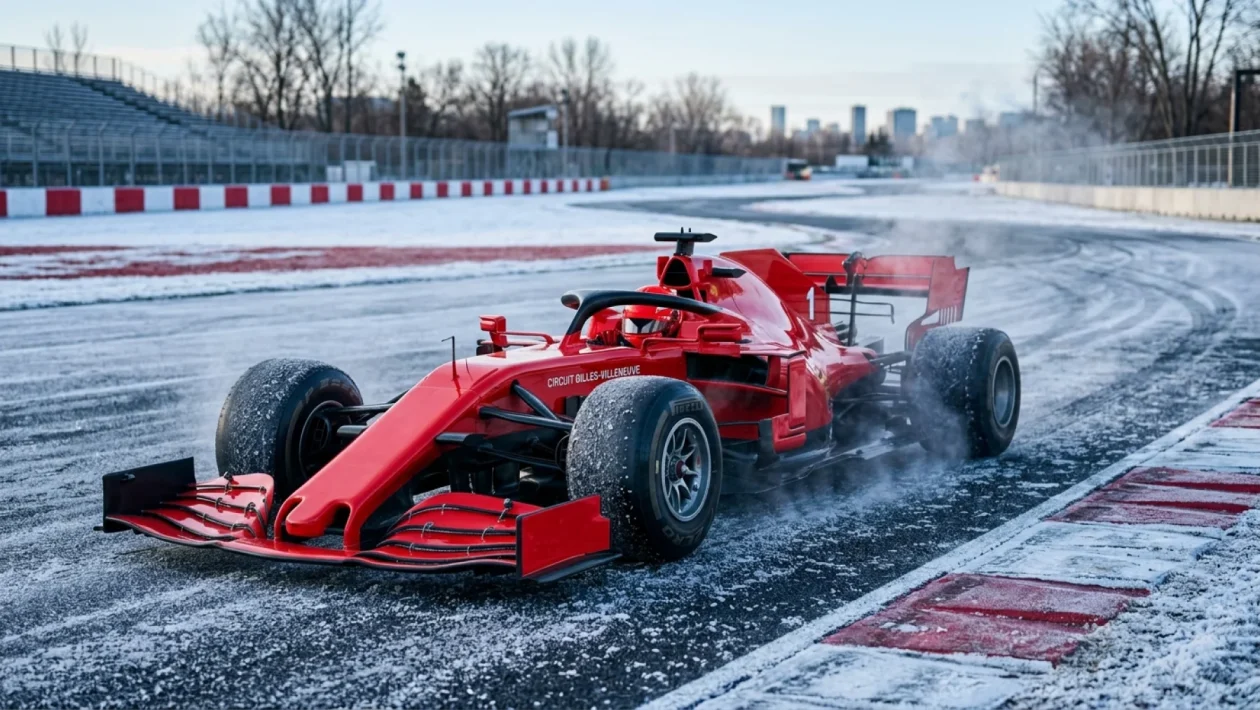
Montreal in May 2026 is a completely different beast than Montreal in June. F1 executives reshuffled the calendar to group North American races together, cutting down on transatlantic flights and emissions.
It’s a smart logistical move on paper, but the reality on the ground at Circuit Gilles Villeneuve is going to be incredibly jarring for the drivers.
Fans in the grandstands will likely be clutching extra-large double-doubles from Tim Hortons just to keep their hands warm while the cars roar by. Historically, track temperatures dictate everything in F1, and a drop of just a few degrees completely rewrites a team’s aerodynamic playbook.
Why Cold Tracks Cause Massive Headaches
When ambient temperatures dive below 20 degrees Celsius, F1 tires essentially turn into hockey pucks. If you’ve ever tried to corner aggressively on freezing Canadian asphalt, you know the rubber simply refuses to bite.
Here is a surprising hard fact: Formula 1 tires require a scorching core temperature of at least 100°C (212°F) to properly grip the surface. When the track is icy cold, the tires struggle to hit that optimal operating window, resulting in dangerous graining and heavily reduced traction.
Here is a quick look at exactly how track temperatures flip the script on a modern F1 setup:
| Track Condition | F1 Car Impact |
|---|---|
| Warm (25°C+) | Fast tire warm-up, predictable grip, and optimal braking power. |
| Cold (Under 20°C) | Severe graining, constant lock-ups, and massive loss of traction. |
A Brutal Sprint Format
If figuring out a freezing track wasn’t hard enough, F1 has slapped a Sprint weekend format onto Montreal. This is where the panic truly sets in for race engineers.
Instead of three luxurious practice sessions to dial in the cars, teams get a single, pressure-cooker 60-minute window before competitive sessions lock in their setups.
Here is exactly how a team has to cram their weekend prep into one chaotic hour:
- Run aggressive initial out-laps to scrape raw temperature data off the cold surface.
- Test both soft and medium tire compounds to calculate extreme degradation rates.
- Lock in the final suspension and brake balance before the FIA strictly freezes the car’s configuration.
Have Ferrari Sweating
Ferrari boss Fred Vasseur isn’t mincing words about the mountain his team has to climb this weekend. The stop-go nature of the Montreal track is notoriously brutal on brakes, demanding massive traction out of slow corners and the famous hairpin.
Vasseur laid out the team’s core concerns perfectly:
“From a racing point of view, Montreal is never straightforward… and this year the weather and low temperatures could add another layer of complexity, especially with the sprint format giving us limited preparation time.”
With variables shifting by the minute, Ferrari knows that a single miscalculation during that one practice session could torch their entire race weekend. Any misstep in understanding the cold rubber could leave their drivers sliding into the Wall of Champions.
Frequently Asked Questions
Why is the Montreal track so hard on F1 brakes?
Circuit Gilles Villeneuve is a “stop-go” track featuring long, high-speed straights that feed immediately into heavy braking zones. This rapid transition places enormous thermal stress on the brake discs, which can easily overheat if not managed perfectly.
What is tire graining in F1?
Graining happens when a cold tire slides across the track surface instead of gripping it. The friction tears small chunks of rubber off the tire, which then stick to the tread, reducing contact with the road and making the car slide even more.
Will rain cancel an F1 sprint race?
Formula 1 cars can race in the rain using specialized wet tires, so a sprint race won’t be canceled just for rain. However, if standing water causes extreme hydroplaning and unsafe visibility, the FIA will delay or suspend the session.
🤝 F1’s new regionalized calendar is great for the planet, but it’s an absolute nightmare for the mechanics trying to keep these cars on the track.
💡 Whether you are a die-hard Ferrari fan or just tuning in to see the chaos unfold, keep a close eye on the tire degradation this weekend.
📱 Let me know how you think the Scuderia will handle the freezing tarmac and the tight turnaround this May!
👇 Share your thoughts in the comments below, and good luck to anyone sitting in the wind at the hairpin!