You crack open a fresh bottle of water, expecting pure hydration. Instead, you might be swallowing a microscopic bacterial nightmare. A massive bottled water recall just hit the wires, completely shattering the illusion that factory-sealed always means safe. I am going to show you exactly which bottles to avoid, what the hidden health risks actually are, and the fastest way to get your money back.
The Bottled Water Recall Reality Check
Right now, health authorities have slammed the brakes on thousands of bottles of mineral water. The specific culprit making headlines is the Raffelberger brand, a major producer that just flagged widespread bacterial contamination during routine factory checks.
You might think a recall in Europe doesn’t affect your cooler here in North America. But in our globalized food network, this is a massive wake-up call. We blindly trust massive domestic brands like Aquafina or Nestle Pure Life, assuming their filtration systems are bulletproof. This incident proves that even top-tier facilities can fail spectacularly.
The products in the crosshairs are specifically the “Raffelberger Medium” in 0.75-liter bottles and “Raffelberger Klassik” in 0.7-liter bottles. If you travel, import specialty waters, or shop at international grocers, you need to check your stash immediately. The compromised bottles carry best-before dates ranging throughout June 2028.
The Hidden Bacteria Threat Explained
When we think of contaminated water, we usually picture a stagnant pond, not a crystal-clear plastic bottle. But bacteria thrive in moisture, and the moment a microscopic breach occurs on the bottling line, those microbes multiply fast.
Drinking this compromised water isn’t just gross—it can lead to serious gastrointestinal distress, cramping, and severe dehydration. It completely defeats the purpose of grabbing a bottle of water in the first place.
“People assume the plastic bottle is an impenetrable fortress. In reality, a single sterilization failure during the capping process can turn a bottle of mineral water into a thriving bacterial petri dish within 48 hours.” – Dr. Aris Voulgaris, Food Safety & Water Quality Expert
Here is a scary truth to chew on. Recent industry studies suggest that nearly 30% of bottled water brands tested globally show trace signs of microbial life or microplastics. To keep yourself safe, you need to know what to look for before you take a sip.
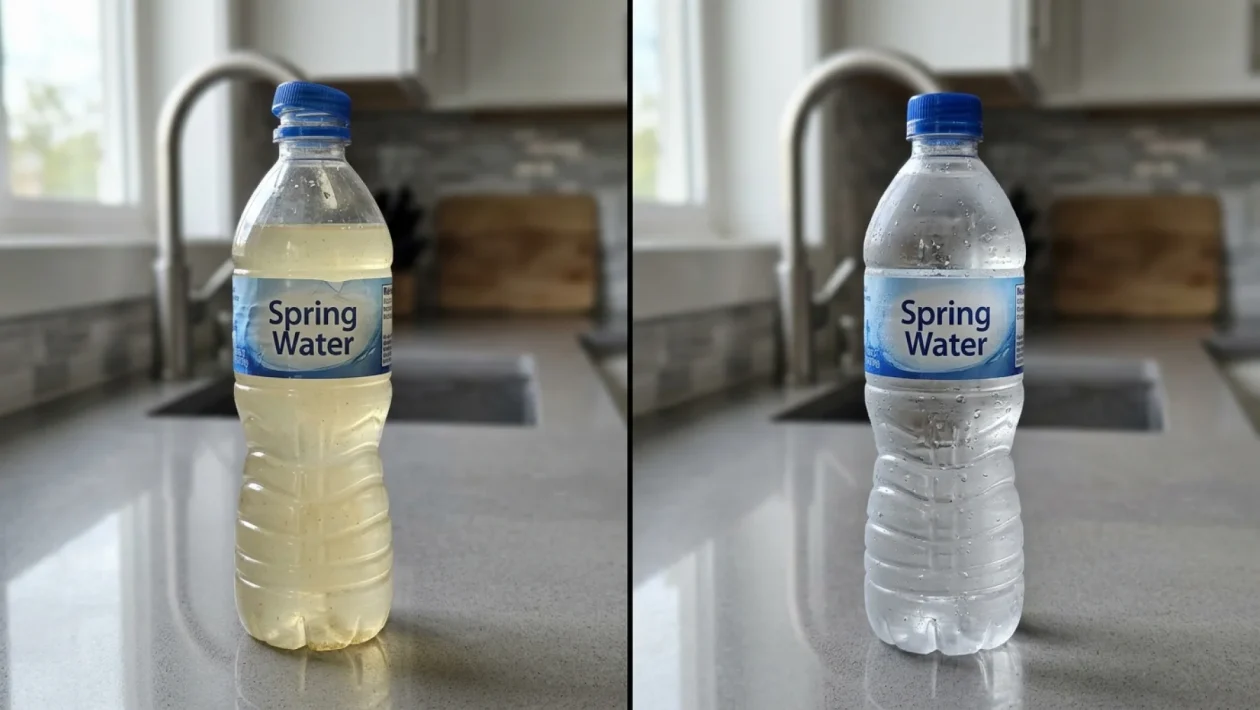
| Red Flag (Danger) | Green Flag (Safe) |
|---|---|
| Cloudy tint or floating particles | Perfectly crystal clear liquid |
| Cap seal is loose or pre-broken | Firm, snapping resistance on the cap |
| Slight sulfur or “off” smell | Completely odorless |
How To Get Your Refund Quickly
Nobody wants to lose money on a defective product. The good news is that consumer protection laws are heavily on your side during a health-related recall.
Whether you bought these at an independent importer or a major chain like Loblaws, the return process has been streamlined. The manufacturer has explicitly stated that retailers must honor the return protocol immediately.
Here is exactly how you handle it without wasting your afternoon:
- Verify the Expiry Date: Check the neck or label of the bottle. You are looking specifically for dates like June 9, 10, 16, 17, 18, 23, 25, 27, and 30 in the year 2028.
- Bag the Evidence: Do not pour the water down the drain just yet. Place the full or partially full bottles in a grocery bag to prevent leaks in your vehicle.
- Head to the Service Desk: Take the bottles directly to the customer service counter of the store where you purchased them.
- Demand the Cash: Point out that this is an official health recall. You are entitled to a full refund, and crucially, no receipt is required for this specific return.
Frequently Asked Questions
Can I just boil the recalled water to make it safe?
Technically, a rolling boil for one minute kills most bacteria. However, experts strongly advise against doing this with recalled bottled water. The specific strain of bacteria isn’t always publicly identified immediately, and the risk simply isn’t worth the few bucks you spent on the bottle. Return it.
What should I do if I already drank the recalled water?
Don’t panic immediately, as your stomach acid is naturally tough. However, monitor yourself closely over the next 24 to 48 hours. If you experience severe nausea, vomiting, or persistent stomach cramps, contact your local healthcare provider and let them know you consumed recalled water.
How does bacteria even get into sealed bottles?
It usually happens right at the source or the bottling plant. If the underground mineral spring experiences an unexpected shift in groundwater, or if the factory’s ultraviolet filtration system suffers a temporary mechanical failure, bacteria easily slips past the defenses before the cap is sealed.
🤝 Stay safe out there, and never be afraid to inspect what you are eating and drinking. A little vigilance goes a long way in keeping you and your family out of the clinic.
💡 Good luck with your pantry checks! It only takes five minutes to dig through your emergency water supply, and it is absolutely worth the peace of mind.
📱 If you found this breakdown helpful, share your thoughts or send this to a friend who lives on bottled water. We all need to watch out for each other!
👇 Keep your eyes peeled for more recalls, and always remember: trust your gut, literally and figuratively.