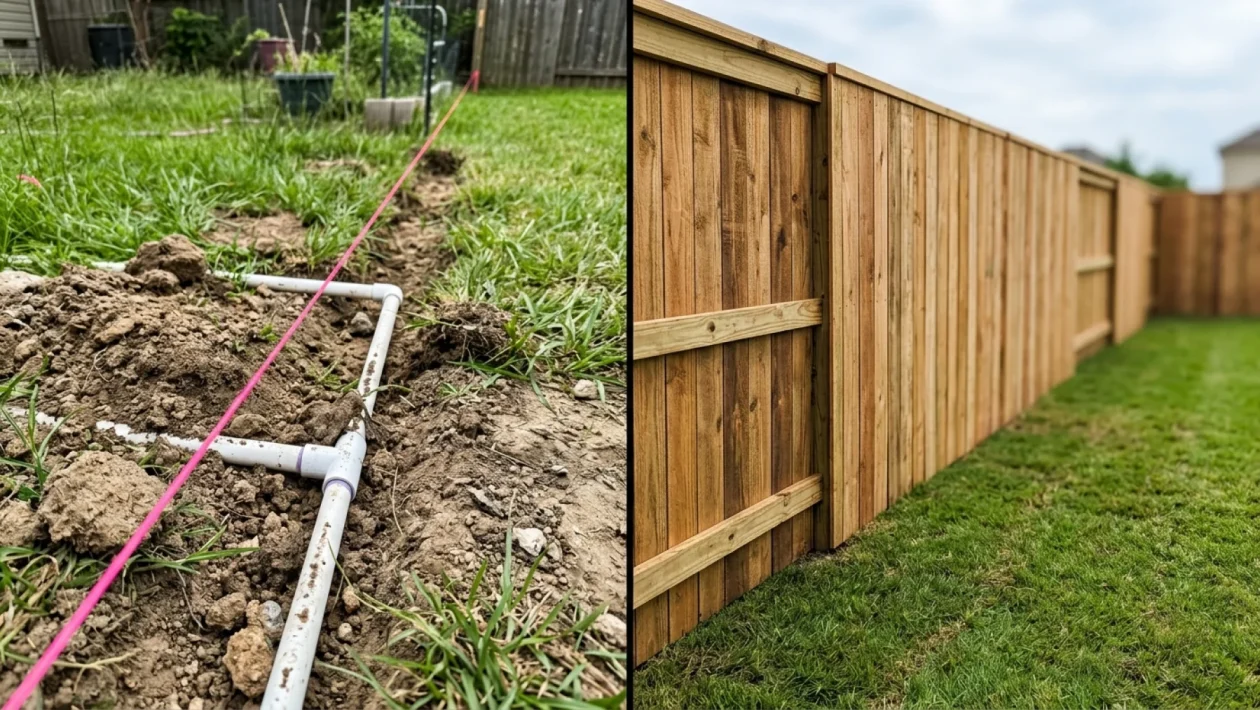
You staked your property, bought the materials, and finally decided to build that privacy fence this July. Suddenly, the guy next door is leaning over the property line, demanding you halt construction because his sprinkler system is buried two feet into your yard. To top it all off? He’s actually offended you didn’t consult him on your choice of lumber. Welcome to the absurd world of fence boundary disputes. I’m going to show you exactly how to shut down this kind of neighborhood entitlement, legally protect your square footage, and get your fence built without surrendering an inch of your turf.
Fence Boundary Disputes: The Cold, Hard Truth About Property Lines
When you buy a house, you own exactly what is laid out on the deed. You don’t own a millimeter less, regardless of how long the guy next door has been mowing it. Yet, as we hit peak outdoor renovation season in the summer of 2026, homeowners are constantly bullied by neighbors who have slowly expanded their footprint over the years.
Here is a hard, surprising fact for you: boundary disagreements are wildly common, with roughly 40% of North American homeowners experiencing some form of property line conflict during their tenure. Whether it is an overgrown garden bed, an encroaching shed, or rogue irrigation pipes, an encroachment is legally considered trespassing.
The moment you discover their infrastructure on your land, the clock is ticking to correct it. Ignoring the problem out of politeness only leads to massive legal headaches down the road when it comes time to sell your home.
Shutting Down Entitled Neighbors: Why Their Opinion Doesn’t Matter
Let’s address the most ridiculous part of this scenario: the neighbor whining that they “weren’t involved in choosing the fence.” Unless there is a strict local HOA bylaw dictating aesthetics or you are splitting the bill right down the middle, your neighbor has absolutely zero legal or moral say in your design.
If you are the one hauling pressure-treated posts from Home Depot and footing the entire bill, they do not get a veto. Do not let them weaponize their own poor planning to stall your project or guilt you into changing your plans.
“When an encroachment is discovered during a fence build, the legal burden falls entirely on the trespassing neighbor to remove their property, not on the homeowner to design around it.”
Setting a firm boundary isn’t being a bad neighbor. It is simply enforcing the legal reality of homeownership.
Reclaiming Your Yard: Evicting The Rogue Sprinklers
So, you’ve discovered their PVC pipes are lounging on your side of the dirt. You cannot just take an axe to their plumbing, but you also don’t have to redesign your fence to accommodate their mistake. You need to handle this like an experienced project manager.
Here is exactly how you handle rogue infrastructure on your property:
- Get an official land survey: Never rely on old city maps or neighborhood folklore. Hire a licensed surveyor to physically stake the exact legal property line so there is no room for debate.
- Serve written notice: Hand them a polite but firm letter stating they have a set number of days (usually 14 to 30) to dig up and move their sprinklers off your land.
- Build on the line: Once the deadline passes and the encroachment is cleared, string your line and dig your post holes precisely on your side of the boundary.
If they refuse to move it, you may need a lawyer to send a formal cease-and-desist letter. Usually, just the threat of legal action gets the shovels moving in a hurry.
If you want to keep your sanity while tackling the heavy labor yourself, grab a high-quality post-hole digger from Lee Valley Tools and let the new fence do the talking.
| Your Action Plan | The Ultimate Outcome |
|---|---|
| Caving to their demands and delaying the build | You permanently lose usable square footage and damage your overall property value. |
| Holding a firm boundary and enforcing the survey | Short-term neighborhood tension, but absolute long-term peace of mind and total privacy. |
Frequently Asked Questions
Can I just cut the neighbor’s sprinkler pipes if they are on my land?
No, do not take the vigilante route. Willfully destroying their property, even if it is resting on your land, can open you up to civil vandalism lawsuits. Always use formal written notices and legal channels to force them to relocate their gear.
What if the neighbor refuses to pay for their half of the fence?
If you are building the fence entirely on your side of the property line, they don’t have to pay a single dime. However, this also means they have absolutely no say in the style, height, or color of the fence.
🤝 Good luck out there in the trenches of homeownership, my friends.
💡 Dealing with an entitled neighbor is rarely a fun weekend project, but setting a hard physical boundary is the absolute best investment you can make for your own peace of mind.
📱 If you found this guide helpful, send it to a buddy who is gearing up for their own backyard renovations this season.
👇 Share your thoughts in the comments below—I would love to hear your wildest neighborhood dispute stories!