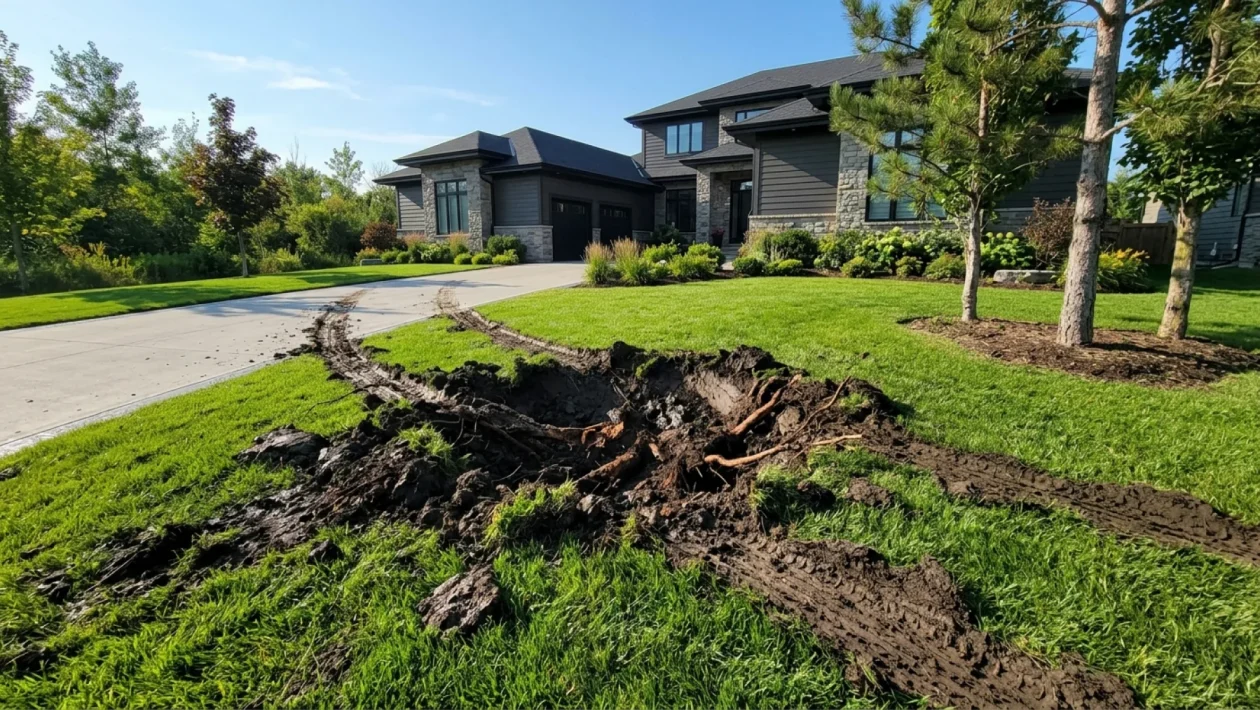
You wake up, grab your morning coffee, and look out the front window only to find a massive, muddy crater where your prize landscaping used to be. Tree theft is the frustrating new crime wave hitting North American suburbs this summer of 2026. Criminals aren’t just scanning your driveway for unlocked cars anymore; they are quite literally stealing the greenery right out of your soil. If you’ve recently upgraded your garden, you need to know exactly why your yard is a target and the specific steps you can take to lock down your expensive plants before the sun goes down today.
Tree Theft: The Bizarre Crime Wave Sweeping Our Suburbs
Most of us think of property crime as stolen bicycles, missing Amazon packages, or catalytic converters being sawed off in the dead of night. Stealing a heavy, dirt-covered plant seems absolutely absurd. Yet, it is happening with alarming frequency.
Just recently, a homeowner went viral after sharing security footage of thieves bypassing a locked gate, yanking a freshly planted, fully formed pine tree out of the ground, and tossing it into a pickup truck. Because the tree had only been in the ground for a month and a half, its root system hadn’t anchored deeply into the surrounding soil. For the thieves, pulling it out was as easy as plucking a weed.
This isn’t just a handful of isolated incidents. The underground market for stolen flora is booming. In fact, agricultural and landscaping theft has quietly grown into a massive black market, costing homeowners and commercial nurseries an estimated $1 billion annually across North America.
Why Criminals Are Uprooting Your $5,000 Landscaping
To understand the motive, you have to look at the staggering retail value of mature, sculpted greenery. We aren’t talking about a $20 tomato plant from the garden center at Home Depot Canada. Thieves are targeting architectural, slow-growing plants.
Formed pines and meticulously pruned topiary trees are living works of art. They require years of patient, highly skilled pruning to achieve their unique shapes. When you buy one of these trees, you are paying for a decade of someone else’s labor.
Because they grow so slowly, an intricately shaped pine can easily fetch thousands of dollars. Criminals know they can uproot a fresh transplant in under five minutes, throw it in a trailer, and resell it on local classified sites the very next day for pure profit.
| Landscaping Asset | Estimated Replacement Cost |
|---|---|
| Standard Young Sapling | $50 – $150 |
| Mid-Size Shaped Pine | $800 – $1,600 |
| Mature Architectural Tree | $5,000+ |
How To Stop It Tonight: Lock Down Your Yard
If you have recently dropped serious cash on upgrading your curb appeal, you can’t just cross your fingers and hope the bad guys drive past. You need to make your landscaping a nightmare to steal.
Freshly planted trees are the most vulnerable. Until those roots spread deep into the native soil, your tree is essentially just sitting in a loose bowl of dirt. Here is how you can physically secure your green investments right now.
- Anchor the Root Ball: Drive heavy-duty steel earth anchors (the kind you can pick up at Lee Valley Tools) deep into the ground below the root ball. Use heavy wire to strap the root ball securely to the anchors before backfilling the dirt.
- Install Motion Lighting: Thieves hate the spotlight. Aim a harsh, motion-activated floodlight directly at your high-value landscaping features.
- Deploy a Plant Cam: Position a discreet, battery-operated trail camera or smart security camera specifically focused on your new trees. Ensure the night-vision capability is turned on.
- Use Thorny Deterrents: Temporarily place potted thorny bushes, like barberry or roses, around the base of the newly planted tree to make physical access painful and frustrating.
“Thieves are ultimate opportunists. If a high-value tree is freshly planted and the yard is completely dark, they’ll strike. Anchoring the root ball underground adds an extra 30 minutes of grueling labor to the job, which is usually more than enough to make them give up and run.”
FAQ: Protecting Your Landscaping Assets
Does home insurance cover stolen trees and plants?
In many cases, yes. Most standard comprehensive homeowner insurance policies in North America include coverage for landscaping theft or vandalism, usually up to a certain percentage of your home’s total insured value. However, there is often a per-plant cap (e.g., $500 per tree), so a $5,000 pine might not be fully covered. Always check your specific policy limits.
How long does it take for a newly planted tree to become “theft-proof”?
It generally takes a full growing season (about 6 to 12 months) for a tree’s root system to branch out widely and deeply enough into the surrounding soil to make manual uprooting incredibly difficult. During this establishment phase, your tree is at its highest risk for theft.
🤝 Good luck locking down your yard! Investing in your property’s landscaping is one of the best ways to boost your home’s value, but it clearly comes with some unexpected modern risks.
💡 Don’t let a few opportunistic criminals ruin your outdoor oasis. Take an hour this weekend to install some earth anchors and double-check those motion lights. A little sweat equity now will save you thousands of dollars and a massive headache later.
📱 Share your thoughts in the comments below if you’ve ever dealt with garden theft in your neighborhood, or send this article to a friend who just finished a major backyard renovation!
👇 Keep those hands dirty and your property secure. I’ll see you in the next project breakdown.