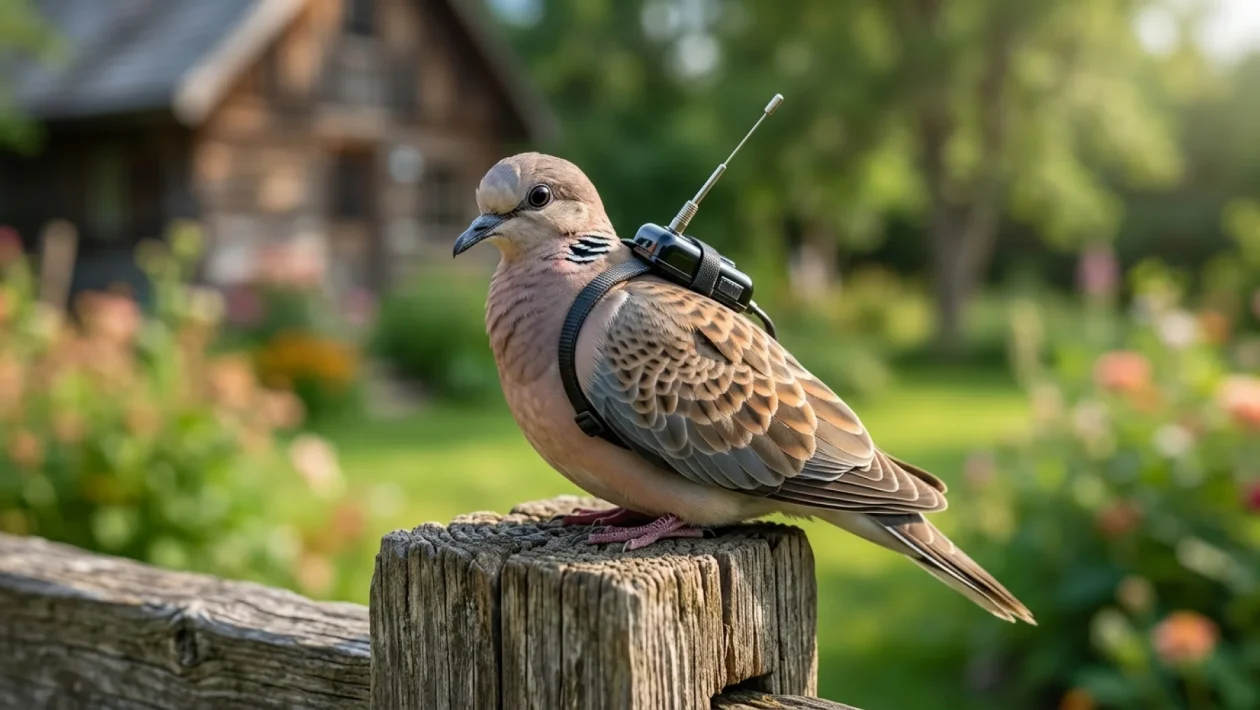
Imagine strapping a backpack to a baseball and tossing it from Toronto to Calgary in a single week. That is exactly the kind of mind-bending athletic feat a tiny European turtle dove just pulled off, and we only know about it because of some serious hardware. We are talking about a grueling 3,000-kilometer journey from the coast of Spain straight into the heart of the African Sahel, all wrapped up in just seven days.
Here we are in the heat of June 2026, firing up our grills and complaining about the traffic up to the cottage, while a bird the size of your fist is out there conquering continents. But the real story isn’t just the sheer grit of this featherweight traveler. It is the brilliant bird migration tracking system and the unlikely alliance of local hunters making this data collection possible.
Bird Migration Tracking: The Microchip Magic
If you think tracking your lost luggage is impressive, wait until you see the gear they are putting on wildlife. Gone are the days when a simple aluminum ring was enough to understand animal movements.
Today, researchers are outfitting these doves with cutting-edge transmitters and RFID microchips. Think of it like strapping a high-end Garmin inReach device to a feather duster. These lightweight chips broadcast the bird’s exact coordinates, allowing scientists to monitor migratory routes, rest stops, and survival rates in real-time.
But the tech only works if you have the infrastructure to support it. Buried antennas are placed at strategic feeding stations. Every single time a tagged bird lands to grab a snack, the subterranean scanner logs its chip code, date, and exact time without a human ever being in the same postal code.
| Tracking Technology | The Reality Check |
|---|---|
| Traditional Leg Bands | Super cheap, but relies entirely on someone physically finding the bird. |
| RFID & Transmitters | Expensive upfront, but delivers automated, pinpoint accurate data. |
How a 5-Ounce Dove Defies Physiology
Let us put this physical accomplishment into perspective. A standard turtle dove weighs roughly 150 grams. That is barely the weight of a standard hockey puck.
To pull off a transcontinental flight, this bird had to maintain an absolutely punishing pace. In fact, migratory birds of this size can burn through up to 10 percent of their total body weight in fat reserves during a single day of active flight. They are biological endurance engines.
By crossing the Iberian Peninsula, navigating the Strait of Gibraltar, and surviving the brutal expanse of the Sahara Desert, this dove averaged over 425 kilometers a day. It is an absolute masterclass in navigation and energy conservation.
Surviving the 3,000 KM Flight Route
You do not just wake up and fly across the Sahara without a solid pit-stop strategy. The 3,000-kilometer route from Tarragona to the Sahel is notoriously unforgiving.
Predators, shifting winds, and blistering heat make this journey a gauntlet. The tracking data proves just how critical European and African staging areas are for these birds. If those mid-trip feeding grounds disappear, the entire migration collapses.
This is exactly why mapping these routes is so critical for modern conservation. You cannot protect an animal if you have absolutely no idea where it sleeps.
Pulling It Off In 7 Days: The Hunter-Scientist Alliance
Here is the twist that usually shocks the city crowd: the boots on the ground making this high-tech science happen are actually local hunting societies. In this Catalan tracking project, hunters are the ones managing the traps, banding the birds, and keeping the automated feeding stations stocked.
It is a highly methodical process out in the field:
- Bait the Station: Hunters load specialized cage traps with food and water. The cages are left wide open so the birds get comfortable coming and going.
- Activate the Drop: When it is time to tag, technicians trigger the traps remotely, securing the birds without causing them stress.
- Tag and Track: A microchip band is safely attached to the leg, and the bird is immediately released back into the wild.
It is rugged, hands-on work. You will usually find these guys decked out in durable MEC field gear, hauling feed bags through the brush just to ensure the scientists back in the lab have a steady stream of data.
“People often forget that hunters are some of the most dedicated conservationists out there. Without our boots on the ground maintaining these feeding stations year-round, the researchers would just be staring at blank screens.”
Frequently Asked Questions
Does the tracking chip hurt the bird?
Not at all. The bands and microchips are meticulously designed to weigh less than 3 percent of the bird’s total body weight. It is like you wearing a lightweight wristwatch—they barely notice it is there.
Why do they leave the traps open most of the time?
It is all about building trust. By letting the doves freely enter and exit to feed, the location becomes a reliable sanctuary. This ensures the birds keep returning, allowing the buried RFID antennas to passively log their visits over the months.
Why are hunters involved in scientific tracking?
Hunters have a vested interest in a healthy, thriving ecosystem. By volunteering their time, land access, and manpower, they ensure the species remains abundant for future generations. It is a perfect partnership of field experience and laboratory science.
The Bottom Line on Modern Tracking
🤝 Good luck trying to find a better example of teamwork in the wild. When you combine cutting-edge technology with the gritty determination of local outdoorsmen, you get unparalleled insights into nature.
💡 This tiny dove’s epic seven-day trek is a stark reminder of how resilient wildlife truly is. But more importantly, it proves that effective conservation requires real action, not just good intentions.
📱 If you found this breakdown of high-tech wildlife tracking fascinating, share your thoughts with us on social media or forward this to your favorite hunting buddy.
👇 Keep your eyes to the sky this summer, folks. You never know what kind of incredible journey is happening right over your roof.