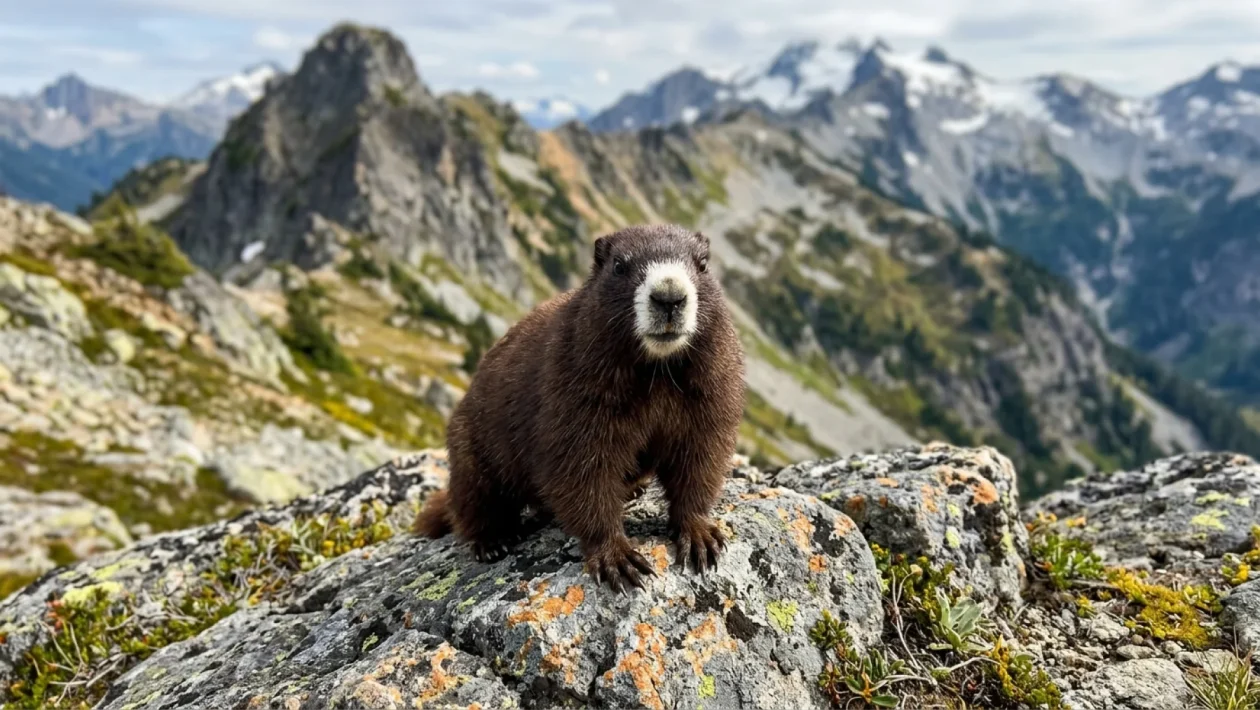
Imagine hiking up a rugged alpine ridge and locking eyes with a creature rarer than a Siberian tiger. Back in 2003, the wild population of the Vancouver Island Marmot crashed to a terrifying 30 individuals. Extinction wasn’t just knocking; it had kicked the front door down and made itself at home. But instead of letting this pint-sized powerhouse vanish forever, a massive, boots-on-the-ground rescue mission changed wildlife history. Today, I’m breaking down exactly how this mountain-dwelling survivor fought its way back from the brink, and how you can track one down yourself.
Vancouver Island Marmot: Meet the Alpine Underdog
If you’ve ever spent a weekend wrenching on an old truck or fixing a stubbornly leaky roof, you know the absolute value of resilience. The Vancouver Island Marmot is the animal kingdom’s ultimate blue-collar survivor. Unlike your average garden pest, these guys are built for extreme altitudes and harsh winters.
They are uniquely Canadian, found nowhere else on the planet except the high mountains of Vancouver Island. With their rich, chocolate-brown coats and contrasting white nose patches, they look completely different from the mainland rodents you might be used to dodging on the highway.
| Vancouver Island Marmot | Standard Groundhog |
|---|---|
| Dark chocolate brown with white patches | Light, grizzled yellowish-brown |
| High, rugged alpine ridges | Your backyard garden or local golf course |
| Under 350 left in the wild today | Millions widespread across North America |
One of the World’s Rarest Animals: The Terrifying Crash
You don’t get the title of “world’s rarest” without going through hell. By the early 2000s, commercial logging had altered the landscape, creating clearcuts that looked like prime marmot real estate but acted as deadly predator traps. Wolves and golden eagles practically had an open buffet.
The numbers don’t lie, and they were incredibly grim. The wild population plummeted to just 30 animals by 2003, making them officially one of the rarest mammals on Earth. It was a five-alarm fire for conservationists.
In Canada: The Grassroots Rescue Operation
When the chips were down, Canadians did what they do best: they rolled up their sleeves and got to work. A coalition of biologists, forestry companies, and private donors launched a highly aggressive recovery plan. It wasn’t cheap, and it certainly wasn’t easy.
Facilities like the Calgary Zoo stepped up to the plate, dedicating serious resources to a captive breeding program. Here is exactly how the recovery team pulled off this logistical miracle:
- Emergency Evacuation: Biologists hiked into the alpine and safely trapped a handful of the remaining wild marmots to create a genetic “lifeboat.”
- Safe-Zone Breeding: At specialized facilities across Canada, these marmots were given a stress-free environment to breed and raise their pups away from eagles and cougars.
- The Alpine Airlift: Once the pups were old enough, they were literally flown via helicopter back to pre-approved, predator-managed mountains on Vancouver Island.
“Reintroducing these animals isn’t just dropping them off and waving goodbye. It’s a high-stakes, multi-year babysitting operation in sheer avalanche terrain.”
Tracking Down the Legend: How to Actually Spot One
Fast forward to May 2026, and the spring thaw is finally waking these guys up from their deep winter hibernation. The wild population has officially clawed its way back up past 300 individuals. So, how do you actually see one without disturbing their fragile recovery?
You need to put in the legwork. Mount Washington Alpine Resort is one of the best accessible spots. Grab your binoculars, throw on your trusty fleece jacket from MEC (Mountain Equipment Company), and head up the hiking trails.
Listen closely before you look. Marmots are famous for their loud, piercing alarm whistles. If you hear a sharp chirp echoing across the rocks, freeze, scan the boulders, and you might just spot the rarest animal in North America sunning itself.
Frequently Asked Questions
Are Vancouver Island Marmots dangerous?
Not at all. They are strict herbivores that spend their days eating alpine wildflowers, grasses, and sedges. Their biggest defense mechanism is simply running away and hiding under giant boulders.
Can I volunteer to help track them?
Yes! The Marmot Recovery Foundation often looks for dedicated volunteers and donations. You can also report any sightings if you happen to snap a photo while hiking in the Strathcona Provincial Park backcountry.
Why should we spend money saving one rodent?
They are a crucial indicator species. If the Vancouver Island Marmot is thriving, it means the entire alpine ecosystem—which regulates water runoff and supports countless other species—is healthy and balanced.
🤝 Good luck if you decide to hit the mountain trails this spring to catch a glimpse of these legendary survivors.
💡 Remember to respect their habitat by staying on marked trails and keeping your distance—bring a good camera zoom instead of walking up to them.
📱 Share your thoughts below if you’ve ever hiked Mount Washington or spotted wildlife that completely stopped you in your tracks.
👇 Keep exploring your own backyard, because sometimes the greatest conservation success stories are happening right up the road from your house!