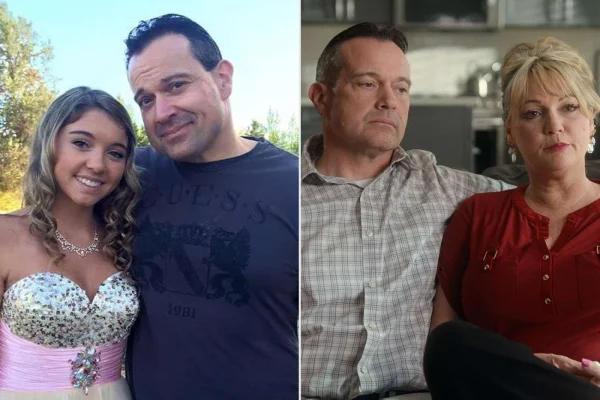
When a missing 52-year-old woman is found in a steep ravine with her body heavily mutilated, your mind immediately goes to the darkest places. We automatically assume foul play, especially in rugged, remote terrain. But the official medical examiner’s report just flipped this entire investigation on its head. The autopsy of Ana Lía Corte reveals a brutal but purely natural reality: a sudden, non-traumatic cardiac arrest, followed by severe wildlife scavenging.
Bariloche Autopsy Findings
The preliminary forensic report completely ruled out criminality in this devastating case. Ana Lía Corte did not suffer a violent attack.
Instead, the autopsy confirmed her heart simply stopped working. The most shocking detail for the public—the heavily dismembered state of her remains—was entirely post-mortem.
According to forensic anthropologists, local wildlife can begin altering an outdoor scene in as little as four to eight hours after a death occurs. The scavenging animals native to the Arrayanes neighborhood ravine simply did what nature instinctively does.
Following the procedure, the Public Prosecutor’s Office respectfully released her remains back to her grieving family.
The Tragic Truth Behind The Missing Trekker
Ana Lía wasn’t a novice; she was deeply connected to the outdoors and her physical health. She was a beloved purna yoga instructor—a discipline combining posture, breathwork, and meditation—and a highly avid trekker.
She originally went missing on Friday, May 8, prompting her family to file an urgent police report by 2:00 PM that same afternoon.
The only solid clue investigators had was a transit camera catching her on the line 51 bus at 11:18 AM, heading toward the city center. She got off at the final stop near the Tres de Mayo company warehouses.
She was wearing a jacket and carrying a backpack with her medication. Mysteriously, she made the fatal decision to leave her mobile phone and personal identification at home.
She leaves behind a 12-year-old son and her husband, Milton Marques, a Brazilian mountain guide she met in Bariloche. Heartbreakingly, they were just months away from celebrating their 25th wedding anniversary.
What It Means For Solo Hikers
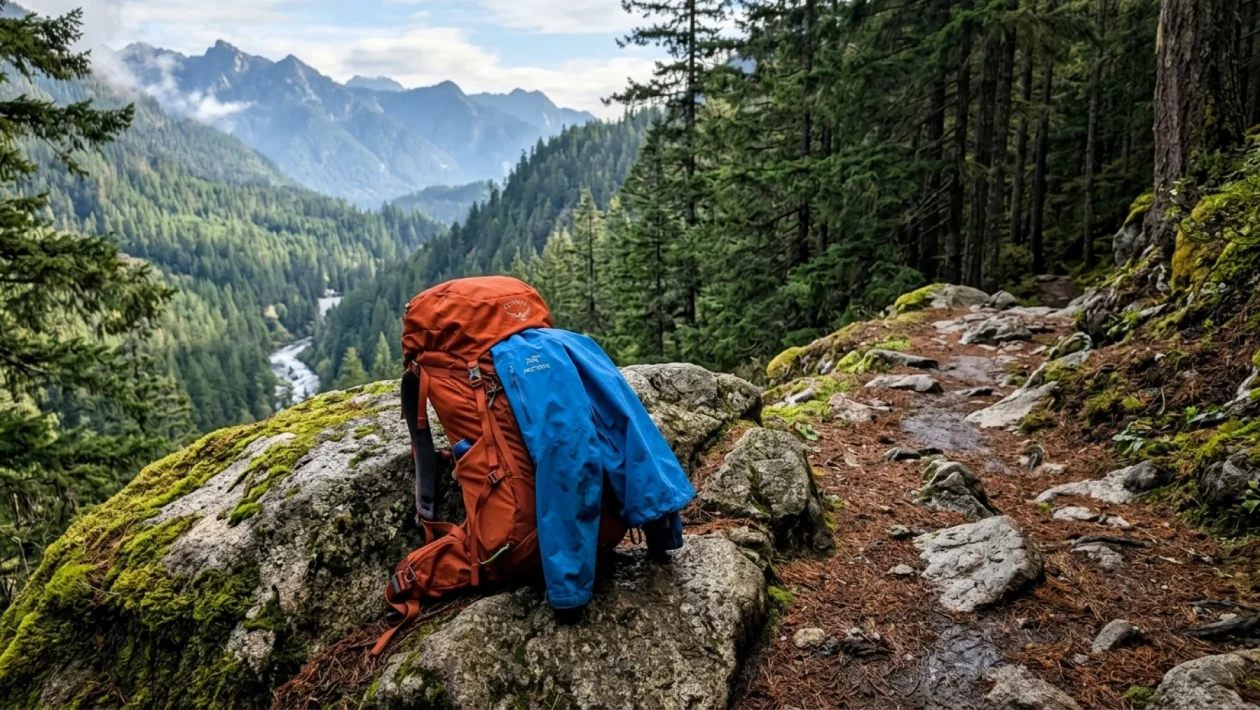
This tragedy in Argentina hits incredibly close to home for anyone hitting the trails here in North America. Whether you’re exploring the coastal mountains in your favorite Arc’teryx jacket or just doing a casual urban ravine walk, a sudden medical emergency can happen absolutely anywhere.
Even highly experienced outdoorsmen and women get caught off guard. When you leave your communication devices behind, a simple medical event instantly turns into a massive, multi-day search and rescue nightmare.
“A massive percentage of wilderness fatalities aren’t from falls or animal attacks, but from sudden medical emergencies like cardiac arrest. Without a communication device, your survivability drops to zero.” – Dave Morrison, Veteran Wilderness First Responder.
Here is a straightforward, non-negotiable routine you need to adopt before stepping out the door:
- Leave a flight plan: Always tell someone exactly where you are going, what trail you are taking, and when you expect to be back.
- Pack the comms: Never leave your smartphone behind, and ideally, carry a GPS satellite messenger if you’re venturing out of cell coverage.
- Carry your meds and ID: Always have a supply of your essential prescription medications, a basic first aid kit, and physical identification.
Let’s look at a quick breakdown of what you should always carry versus what you should leave behind.
| Essential Carry | Leave Behind |
|---|---|
| Fully charged smartphone & power bank | Heavy, unnecessary electronics |
| Medical ID & Emergency Prescriptions | The assumption that “it’s just a short walk” |
| High-visibility outer layer | Overconfidence |
How long was Ana Lía Corte missing?
She was reported missing on the afternoon of Friday, May 8, and her remains were tragically discovered the following Tuesday night in an overgrown ravine.
Were there any signs of foul play?
No. Despite the horrific condition of the body upon discovery, the autopsy confirmed absolutely no signs of criminality. The injuries were caused by local fauna long after she had already passed away from a cardiac event.
🤝 We all think we have plenty of time, but nature and human health are completely unpredictable.
💡 Whether you are trekking through the Andes or hitting a local Canadian provincial park this spring, always prioritize your safety gear.
📱 Never leave your phone behind, even if you just want to disconnect and clear your head for a few hours.
👇 Stay safe out there, look out for your fellow hikers, and share your thoughts or personal trail safety tips in the comments below.