Public health authorities are already sounding the alarm, and it’s barely May. The unseasonably warm temperatures across North America have triggered a massive Spring Tick Surge, turning our favorite trails and backyards into absolute minefields.
If you spend time outdoors, you are officially on their menu. But you don’t need to lock yourself indoors until November to stay safe.
I’m going to show you the exact, no-nonsense blueprint to lock down your yard, prep your trail gear, and keep these disease-carrying bloodsuckers completely off your family.
The Brutal Reality of the Spring Tick Surge
Here is a terrifying truth about the woods right now: ticks don’t jump, and they don’t fall from trees. They “quest.”
They climb to the top of tall grass, stick their microscopic front legs out, and wait for the carbon dioxide and body heat of a passing hiker or dog. Because we didn’t get a deep, sustained freeze this past winter, their survival rates are through the roof.
In fact, here is a statistic that should make you sit up straight: a single female black-legged tick can lay up to 3,000 eggs in her lifetime. When the weather warms up early, those massive populations activate all at once.
“We are seeing tick activity starting weeks earlier than our historical averages. If you are walking near tall grass or brush, you need to assume they are actively hunting.” — Dr. Sarah Jenkins, North American Vector-Borne Disease Researcher.
You can’t control the climate, but you can absolutely control your personal perimeter.
Bulletproof Your Gear
Bug spray is great, but it’s only half the battle. If you want to truly bulletproof yourself, you need to treat your clothing.
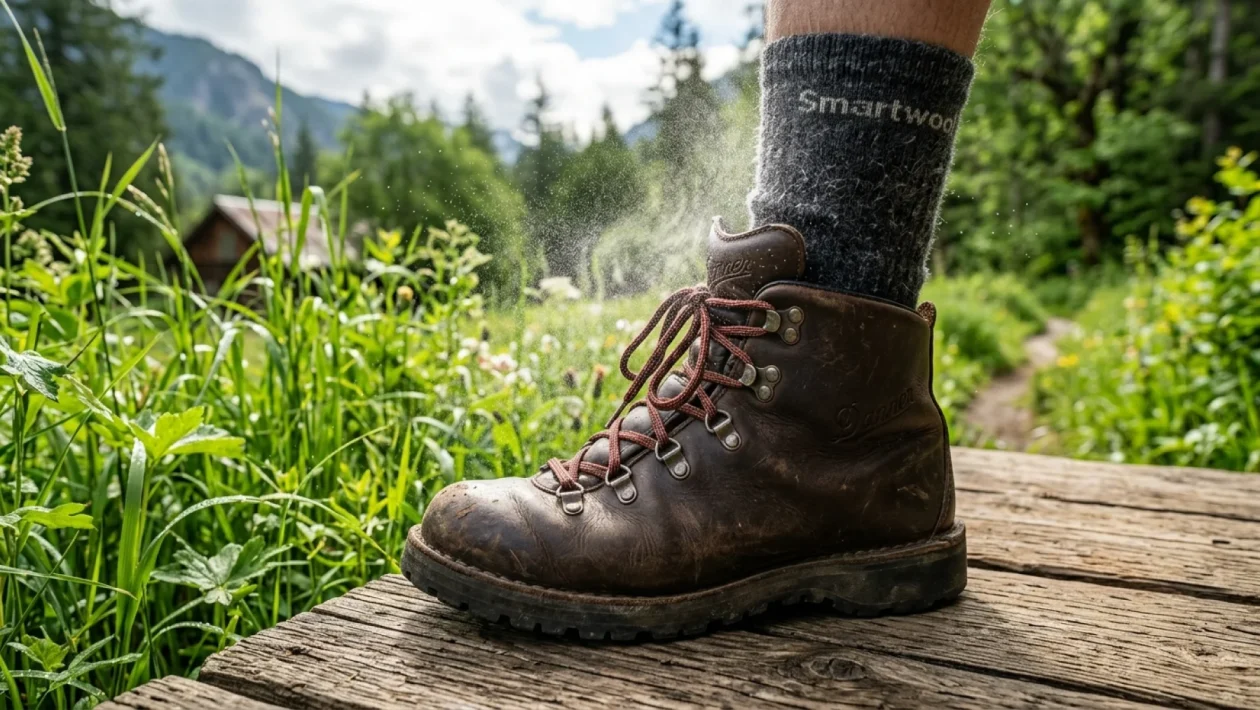
Whenever I pick up new trail pants from MEC (Mountain Equipment Company) or heavy-duty work boots, the very first thing I do is treat them with permethrin. Unlike DEET, which just repels bugs, permethrin actually kills ticks on contact.
Here is my foolproof method for treating your outdoor gear:
- Hang it up outside: Take your hiking pants, socks, and boots outdoors on a calm, windless day.
- Spray an even coat: Hold the permethrin spray about six inches away and sweep across the fabric until it’s visibly damp.
- Focus on the entry points: Spray extra heavily around the cuffs of your pants, the tops of your socks, and your boot laces.
- Let it dry completely: Leave the gear hanging for at least two hours. Once dry, it binds to the fabric fibers and lasts for up to six washes.
Do this once a month during the active season, and you’ll watch ticks literally curl up and fall off your boots.
Evict These Hitchhikers
You shouldn’t have to dress like a hazmat worker just to barbecue in your own backyard. If you want to evict these hitchhikers permanently, you have to ruin their habitat.
Ticks desperately need moisture and shade to survive. If you expose them to direct sunlight and dry air, they dry out and die in hours.
Take a hard look at your property this weekend. Here is a quick breakdown of what makes a yard safe versus what invites a Spring Tick Surge right up to your patio:
| Yard Feature | Tick Risk Level |
|---|---|
| Leaf litter left under bushes | Extreme Risk (Prime nesting ground) |
| Woodpiles stacked against the house | High Risk (Attracts tick-carrying mice) |
| Grass kept under 3 inches tall | Low Risk (Too dry for survival) |
| Gravel barrier between woods and lawn | Zero Risk (Ticks won’t cross hot stone) |
By simply moving your woodpile, raking up last year’s dead leaves, and laying down a three-foot border of wood chips or gravel at the edge of your property, you cut your yard’s tick population by up to 80 percent.
Frequently Asked Questions About Tick Bites
What is the absolute best way to remove a tick?
Forget the old wives’ tales. Grab a pair of fine-tipped tweezers, grasp the tick as close to your skin’s surface as possible, and pull straight up with steady, even pressure. Wash the area immediately with soap and water.
Does the “burn it with a match” trick work?
Absolutely not. Burning a tick, or covering it in petroleum jelly, actually causes the tick to panic. When they panic, they regurgitate their stomach contents into your bloodstream, drastically increasing your risk of Lyme disease.
When should I see a doctor?
If the tick was attached for more than 24 hours, or if you develop a fever, chills, or a target-shaped “bullseye” rash within 30 days of a bite, head to a clinic immediately. Early antibiotics are incredibly effective.
Wrapping It Up
🤝 Look, nobody wants to spend their entire weekend picking parasites out of their kid’s scalp or stressing over the dog’s coat. The Spring Tick Surge is real, but it doesn’t have to ruin your season.
💡 By treating your gear right, keeping your lawn tight, and knowing exactly what to look for, you take the power completely out of their hands.
📱 Good luck out there this season! If you found these yard and gear tips useful, share your thoughts below or send this guide to a buddy who practically lives in the woods.
👇 Stay safe, stay vigilant, and don’t let a bug the size of a sesame seed keep you off the trails.