The Shift Toward Independent Heating
Modern home heating often relies on centralized grids or traditional fuel sources like propane, natural gas, or firewood. While effective, these methods carry inherent vulnerabilities—supply chain interruptions, volatile pricing, and limited storage capacity. For those looking to increase their self-reliance, understanding how to generate heat using alternative fuel concepts is a practical, albeit technical, endeavor.
The goal is to move beyond common combustion methods toward designs that maximize heat output while minimizing reliance on external, store-bought fuel. Whether for a workshop, an emergency scenario, or off-grid living, the focus remains on thermodynamics and efficient fuel utilization.
Engineering Principles of Efficient Heating
A successful DIY heating project depends on three core pillars: heat retention, oxygen regulation, and thermal transfer. Standard wood stoves often lose significant heat through the chimney. High-efficiency designs, however, force the exhaust to linger, ensuring more energy is transferred into the room rather than lost to the atmosphere.
To build a functional unit, one must consider:
- Containment: Using fire-resistant materials capable of sustaining high internal temperatures without structural failure.
- Airflow Control: Precise control over intake and exhaust prevents the fuel from burning too quickly, which is a common mistake in homemade heating designs.
- Thermal Mass: Utilizing metal or stone to store heat even after the combustion process has ceased.
Materials and Construction
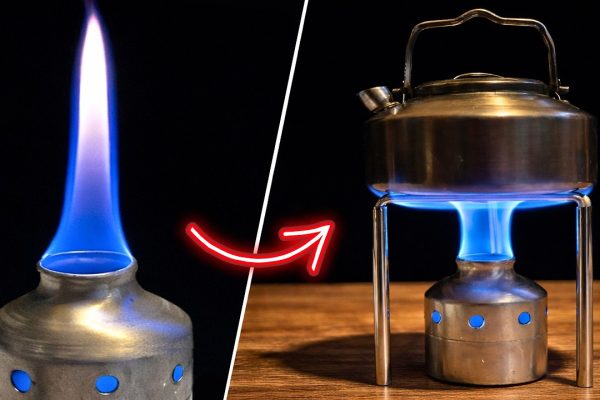
Most DIY heating projects start with common scrap materials—steel piping, repurposed canisters, or heavy-duty metal containers. The integrity of these materials is vital. Thin-walled vessels can warp or crack under constant thermal stress, posing a safety risk. When selecting components, prioritize heavy-gauge steel or cast iron.
Safety is the non-negotiable factor in any heating build. A well-constructed stove must include:
- Proper Ventilation: Ensuring carbon monoxide and other combustion byproducts are safely vented away from living areas.
- Insulation: Protecting the surfaces around the stove from extreme radiant heat.
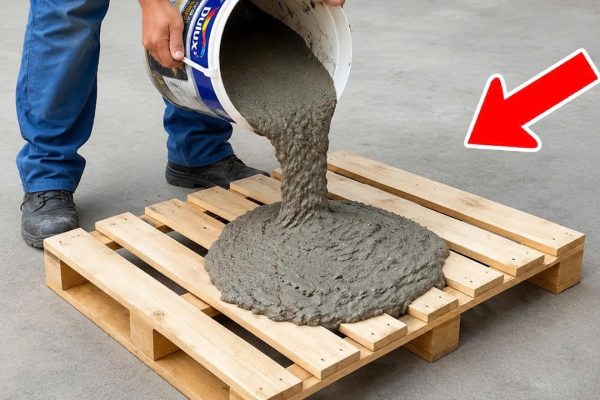
- Fire-Resistant Foundations: The device must sit on a non-combustible base, such as brick, concrete, or steel sheeting, to prevent floor damage or accidental fires.
Operational Best Practices
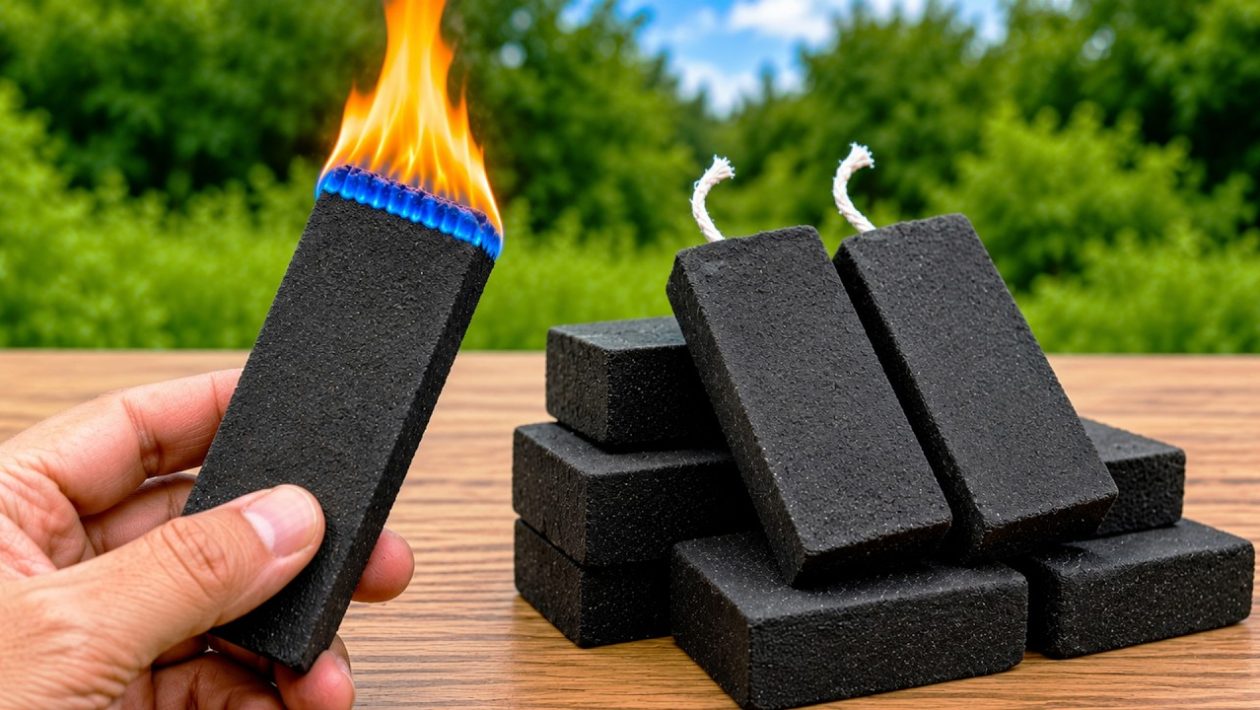
Efficiency comes from understanding the specific fuel being utilized. If the system is designed for densified biomass or alternative fuel types, the combustion chamber must be calibrated to that medium’s burn rate.
Testing your unit should always occur outdoors in a controlled environment before it is ever brought into an enclosed space. Monitor how the unit handles heat cycles, checking for any cracks in welds or seams that could leak smoke. Once the thermal profile is understood and the unit proves stable, it can serve as a dependable secondary heat source.
Maintenance for Long-Term Reliability
A homemade stove is a mechanical device, and like any machine, it requires regular inspection. Over time, heat expansion can weaken welds. Periodically clearing ash deposits is also essential, as accumulated debris can obstruct airflow and reduce the efficiency of the burn.
By mastering the mechanics of combustion and heat distribution, individuals can maintain a level of warmth and comfort during power outages or shortages. The key is prioritizing durability and engineering standards over quick, makeshift solutions.