Redefining Emergency Heat and Cooking
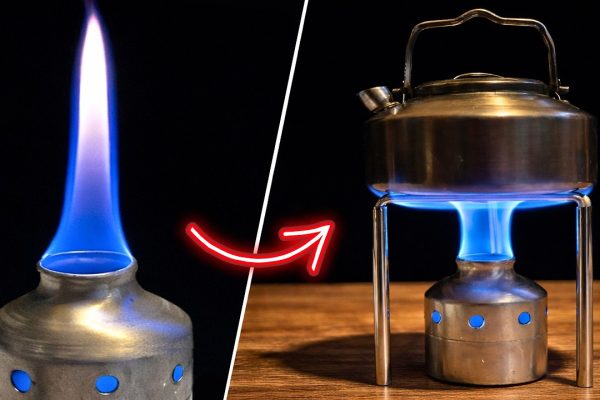
When utility grids fail or fuel prices spike, the ability to generate heat independently becomes a vital skill. Many households rely exclusively on gas or firewood, both of which have significant storage and supply limitations. A more resilient approach involves constructing a 3-in-1 DIY stove designed to function using alternative fuel sources readily found around the home.
This design serves three distinct purposes: cooking meals, boiling water for purification, and providing localized heat. By utilizing common materials, you can create a compact, portable unit that bypasses the need for traditional gas lines or heavy firewood supplies.
Understanding the Mechanics of Alternative Combustion
The efficiency of a homemade stove relies on airflow and thermal containment. Unlike an open fire, which loses most of its heat to the surrounding air, a 3-in-1 stove is engineered to concentrate thermal energy directly toward your cookware or heating vessel.
By controlling the intake of oxygen, these stoves can achieve a cleaner, more consistent burn. The design typically utilizes a cylindrical structure that creates a chimney effect. This rising column of heat ensures that fuel is consumed more completely, reducing smoke production and maximizing the temperature at the top of the stove.
Essential Construction Principles
Building a reliable stove requires attention to heat-resistant materials and structural integrity. Steel or high-gauge iron components are preferred, as they withstand the thermal cycling that can warp thinner metals.
Key components of a functional build include:
- The Combustion Chamber: A centralized area where the fuel is contained. This must allow for adequate oxygen circulation from the bottom.
- The Heat Shield: An outer layer that protects the surrounding environment from excessive surface temperatures.
- The Support Grate: A stable platform at the top that supports pots or pans while maintaining a gap for exhaust.
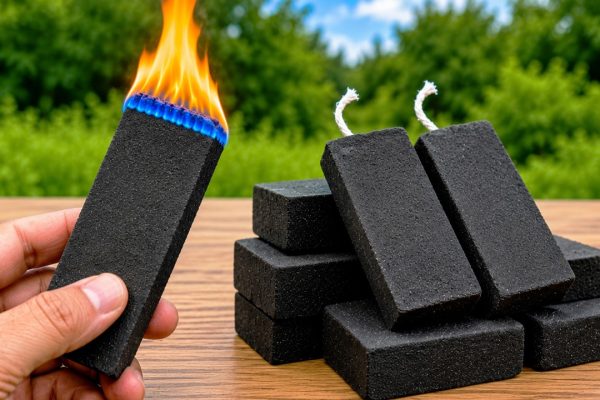
The assembly process involves aligning these components to ensure the draft is unrestricted. Whether you are using solidified alcohol, paper-based fuels, or other compressed household materials, the physics of the stove remains the same: steady airflow equals steady, controllable heat.
Safety and Efficiency Protocols
Operating any stove built outside of a factory setting requires strict adherence to safety protocols. These devices are intended for use in well-ventilated areas or outdoors to prevent the buildup of carbon monoxide. Never attempt to use a DIY stove inside an unventilated garage, tent, or small living space.
To maximize efficiency, keep the stove on a level, non-combustible surface. Regular maintenance—such as removing ash buildup from the base—is critical. Ash blockage is the most common cause of poor performance; it chokes off the oxygen supply and forces the stove to smolder rather than burn cleanly.
Emergency Preparedness Utility
Having a secondary cooking and heating method is a cornerstone of household self-reliance. This 3-in-1 setup is not designed to replace modern appliances for daily use, but rather to function when conventional systems are unavailable. Because the stove is lightweight and uses simple materials, it can be integrated into a larger emergency kit or stored in a workshop for immediate deployment during power outages.
By mastering the construction of such a device, you gain the ability to process water and prepare food regardless of supply chain disruptions. It is a simple, effective piece of engineering that turns common hardware into a reliable survival tool.