For decades, the medical establishment treated the female body like a complicated engine they didn’t really want to write a service manual for. You were expected to just deal with the clunky mechanics of outdated diagnostics, vague symptom management, and a healthcare system that fundamentally misunderstood female physiology. Well, the days of accepting “that’s just how it is” are officially over. We are currently witnessing a massive overhaul in how we approach wellness, and the smartest, most effective tools hitting the market are being built right in our own backyard.
As a guy who spends his life taking apart complex systems to see how they work, I can confidently tell you that the engineering behind modern women’s health technology is nothing short of brilliant. By May 2026, femtech innovation Canada has evolved from a niche market into a powerhouse sector that is completely bypassing the broken parts of traditional healthcare.
If you or a woman in your life is tired of guesswork, you need to pay attention. Let’s break down exactly how this tech revolution is unfolding, the local companies driving it, and how these new rules of health are going to save you time, money, and endless frustration.
Why Femtech Innovation Canada Is Booming Right Now
Innovation usually happens when people get entirely fed up with a broken system. Historically, a staggering reality has plagued the medical field: only about 4% of healthcare research and development funding globally goes specifically toward women’s health. That is a massive blind spot.
Canadian engineers and medical professionals looked at that statistic and saw a massive opportunity to fix the plumbing. They realized that waiting for massive pharmaceutical companies to pivot wasn’t going to work. Instead, agile developers started building hardware and software that put clinical power directly into consumers’ hands.
The explosion of femtech innovation Canada is driven by a simple, practical concept: data is power. When you can measure your own hormonal baselines, track pelvic floor health with biofeedback, or screen for anomalies from your bathroom, you stop relying on generic averages. You start operating on hard, personalized facts.
How Homegrown Startups Are Tackling Ignored Problems
The beauty of this homegrown tech is that it solves the gritty, everyday problems people used to whisper about. We aren’t just talking about another generic period-tracking app that turns your screen pink. We are talking about serious, medical-grade engineering designed by Canadians who understand the specific gaps in our provincial healthcare systems.
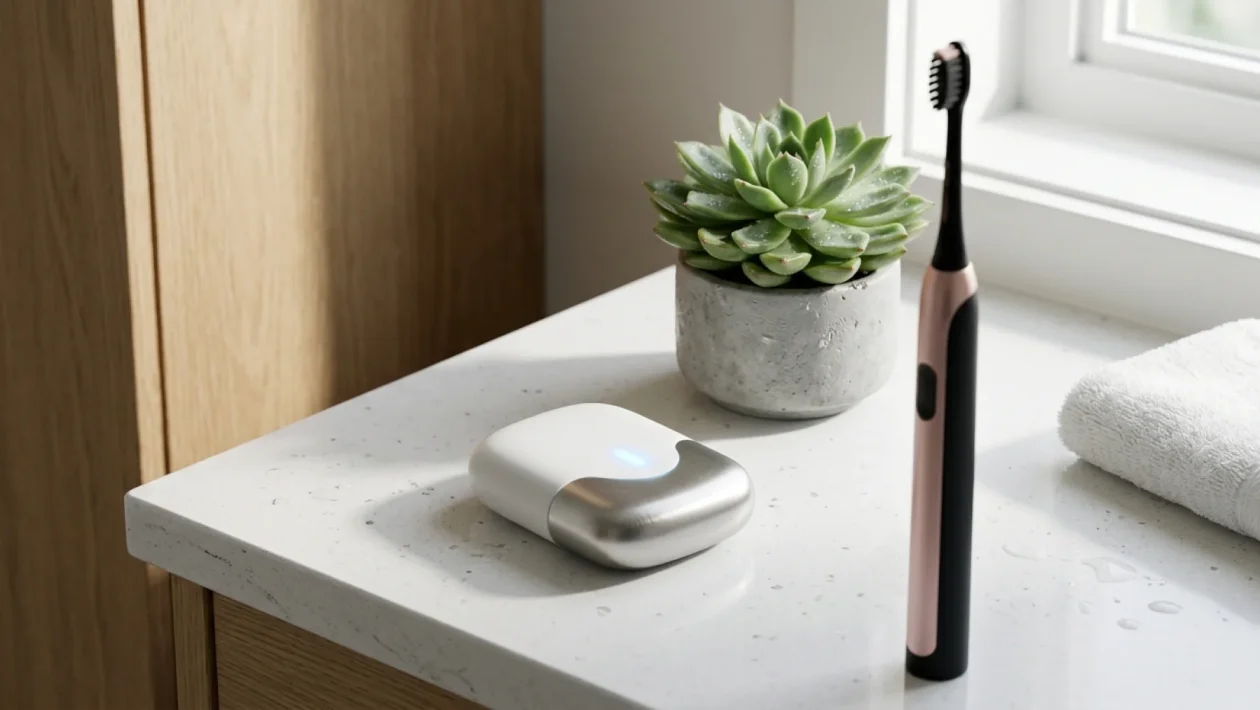
Take a look at Montreal-based Eli Health, which has engineered a way to track continuous hormone profiles using just your saliva, right at home. It’s like having a dedicated endocrinology lab sitting next to your toothbrush. Then you have Ontario’s HyIvy Health, creating connected pelvic rehabilitation devices that provide real-time, quantifiable data for conditions that previously left women suffering in silence.
These homegrown startups aren’t just making neat gadgets. They are manufacturing heavy-duty diagnostic tools that integrate smoothly into your daily routine. Here is a quick breakdown of how the old way stacks up against the new standard these companies are setting:
| The Outdated Approach | The New Femtech Reality |
|---|---|
| Guesswork & generic symptom tracking | Daily, personalized data-driven insights |
| Months-long waitlists for basic specialists | Instant, medical-grade at-home screening |
| Treating issues only after they break down | Proactive maintenance and early detection |
Rewriting Women’s Health Rules From The Ground Up
When you introduce highly accurate, user-friendly tools into the market, you don’t just change the products—you change the rules of the game entirely. The traditional rule was to wait until something felt wrong, book an appointment, and hope the doctor had enough time to investigate. The new rule is proactive, continuous maintenance.
“We are finally moving past the era of ‘bikini medicine’ where women’s health was only viewed through the lens of reproduction. Today’s technology allows us to look at the entire systemic picture of female physiology, every single day.” — Dr. Sarah Jenkins, Reproductive Endocrinologist & Tech Consultant
So, how do you actually start rewriting these rules in your own household? It’s easier than you think. Treat it like upgrading the security and efficiency systems in your house. Here is the straightforward process to get your health tech stack in order:
- Audit the blind spots: Identify what specific health metrics are currently a mystery to you—whether that’s perimenopause symptoms, fertility windows, or chronic pain triggers.
- Source a targeted tool: Skip the generic lifestyle apps. Look for specialized hardware or software (like the Canadian innovators mentioned above) that uses actual biological inputs, like saliva, temperature, or biofeedback.
- Establish a baseline: Use the tool consistently for 30 to 60 days without changing your routine. You need raw data to understand how the machine is currently running.
- Bring the data to the pros: Take these concrete, printed reports to your next primary care visit. Doctors can’t argue with hard data, and it dramatically speeds up the diagnostic process.
By taking control of the diagnostic process, you bypass the friction of the healthcare system and get straight to the solutions.
Frequently Asked Questions
Is Canadian femtech covered by provincial health insurance?
In most cases, the hardware and premium software subscriptions are currently out-of-pocket expenses. However, many Canadian health spending accounts (HSAs) and private workplace benefits have recently updated their policies to cover these medical-grade devices. Always check with your provider and keep your receipts.
Are these at-home tools actually accurate compared to a doctor’s visit?
Yes. The top-tier devices on the market undergo rigorous clinical testing and regulatory approval by Health Canada. They aren’t meant to replace a doctor, but rather to act as a highly accurate daily monitoring system—much like how a continuous glucose monitor works for a diabetic.
Is my personal health data secure with these apps?
Canadian privacy laws (like PIPEDA) are incredibly strict. Homegrown startups are legally required to encrypt your data and cannot sell your personal health information to third-party advertisers without explicit, opt-in consent. Always read the privacy policy, but local apps are generally much safer than offshore alternatives.
🤝 Share your thoughts on this tech shift. Are you currently using any smart devices to track your health, or are you still relying on the old-school methods?
💡 Good luck as you start auditing your own health routines this Spring. Taking control of your personal data is the single best investment you can make in your long-term wellness.
📱 Hit that share button and send this article to a friend, sister, or partner who might be tired of the runaround and ready for a smarter approach to their health.
👇 Leave a comment below with the biggest health tracking frustration you’ve faced—I read every single one and love seeing what you guys are dealing with out in the real world.